The Downs desperately needs some rain. All the grass is now straw-coloured. But that has not stopped the butterflies from visiting the flowers. Gatekeeper remains the most numerous, just ahead of Chalk Hill Blue (Lysandra coridon), while the numbers of the rest seem to be dwindling. A few Meadow Brown, Ringlet, Common Blue (Polyomattus icarus), Holly Blue, Brown Argus (Aricia agestis) and Dark Green Fritillary, and a single Painted Lady took the species tally to just 9 species. No skippers or Purple Hairstreak were seen, but biggest surprise was that there was not a single Marbled White.
A few moths were also noted, with more of those seen on my last few visits, Wavy-barred Sable and Six-spot Burnet. Two new ones were added, though, with sightings of Straw Grass-veneer (Agriphila straminella) and Rosy Footman (Miltochrista miniata).
![Chalk Hill Blue [Lysandra coridon]](https://downsdiary.uk/wp-content/gallery/jul_2026/NG9_0955-60_EOS-1D_TheDowns_15Jul2026.jpg "Chalk Hill Blue [Lysandra coridon]")
![Common Blue [Polyommatus icarus]](https://downsdiary.uk/wp-content/gallery/jul_2026/NG9_0945_EOS-1D_TheDowns_15Jul2026.jpg "Common Blue [Polyommatus icarus]")
![Brown Argus [Aricia agestis]](https://downsdiary.uk/wp-content/gallery/jul_2026/NG9_0968_EOS-1D_TheDowns_15Jul2026.jpg "Brown Argus [Aricia agestis]")
![Straw Grass-veneer [Agriphila straminella]](https://downsdiary.uk/wp-content/gallery/jul_2026/NG9_0929_EOS-1D_TheDowns_15Jul2026.jpg "Straw Grass-veneer [Agriphila straminella]")
![Rosy Footman [Miltochrista miniata]](https://downsdiary.uk/wp-content/gallery/jul_2026/NG9_0931_EOS-1D_TheDowns_15Jul2026.jpg "Rosy Footman [Miltochrista miniata]")
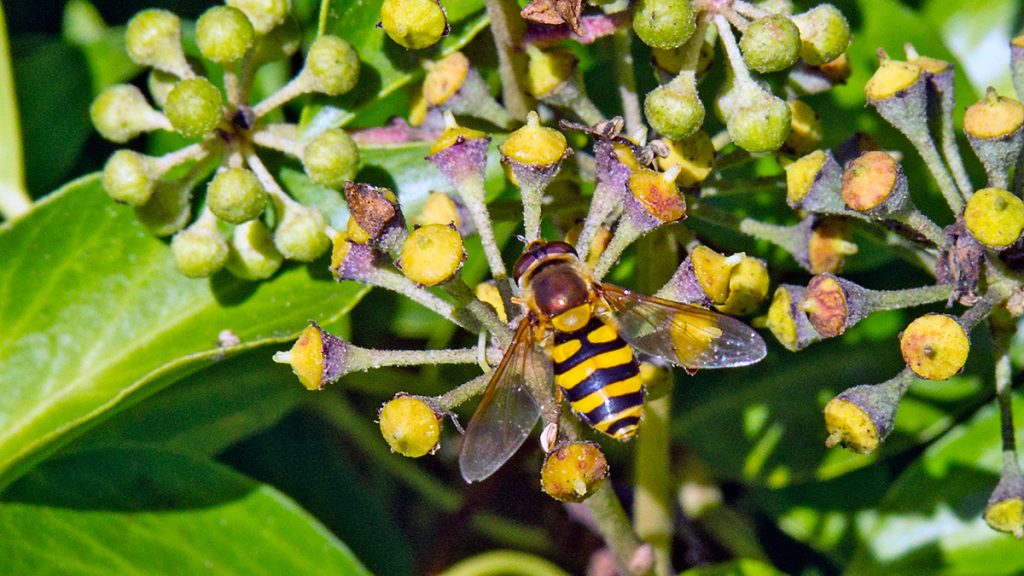
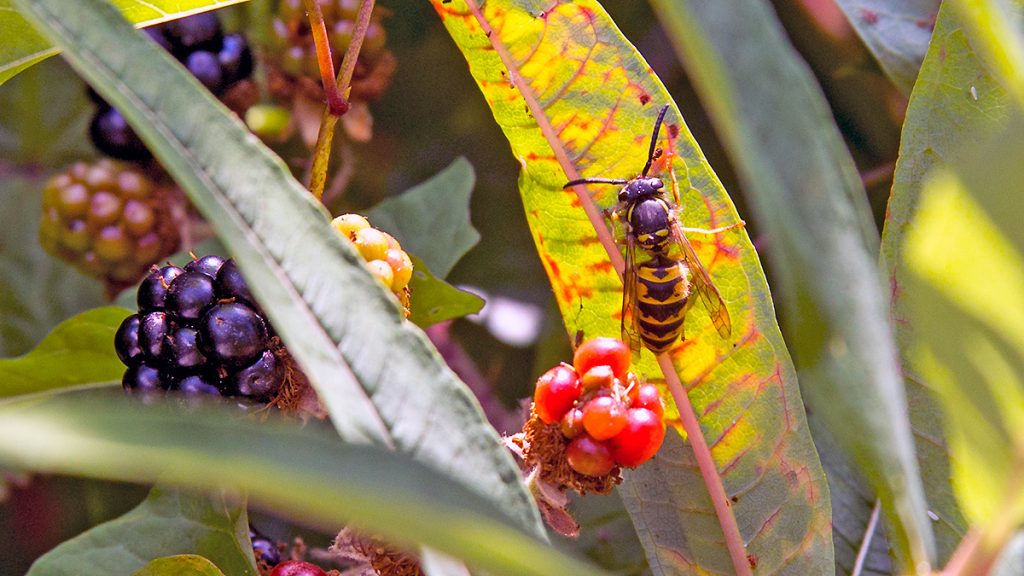
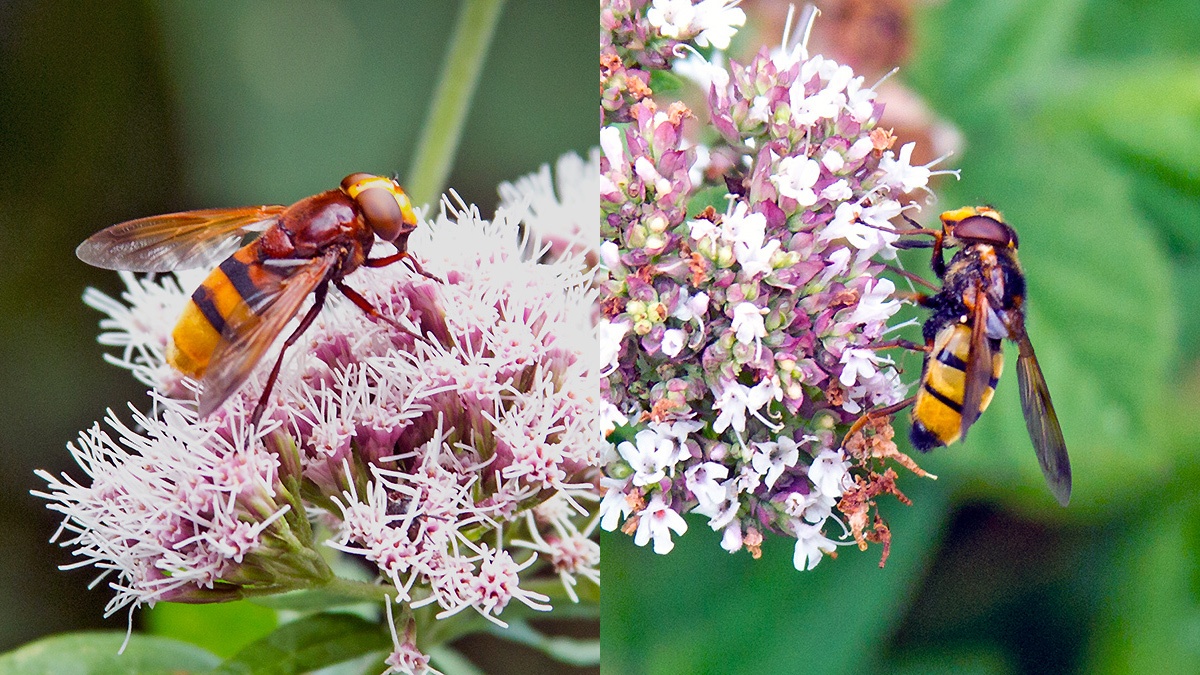
Several insects were seen for the first time this summer, including Meadow Froghopper (Philaenus spumarius), Kite-tailed Robberfly (Machimus atricapillus), Hornet Mimic Hoverfly (Volucella zonaria) and Common Wasp (Vespula vulgaris), the last-named particularly noticed around the now ripening fruit on the brambles.
I recently posted an image of a Knapweed Ghost (Acanthiophilus helianthi) fruit fly seen near Studland in Dorset just over two weeks ago. Today I found one on the Downs.
First ever sightings too of two species, Dogwood – Rosebay Willowherb Aphid (Aphis salicariae) on leaves of a Rosebay Willowherb plant and leaf mines of the larvae of the Elm Leafminer (Fenusa ulmi) sawfly on Wych Elm leaves.
![Meadow Froghopper [Philaenus spumarius]](https://downsdiary.uk/wp-content/gallery/jul_2026/NG9_0911-PXL_085744238_TheDowns_15Jul2026.jpg "Meadow Froghopper [Philaenus spumarius]")
![Kite-tailed Robberfly [Machimus atricapillus]](https://downsdiary.uk/wp-content/gallery/jul_2026/NG9_0927_EOS-1D_TheDowns_15Jul2026.jpg "Kite-tailed Robberfly [Machimus atricapillus]")
![Common Wasp [Vespula vulgaris]](https://downsdiary.uk/wp-content/gallery/jul_2026/NG9_0904_EOS-1D_TheDowns_15Jul2026.jpg "Common Wasp [Vespula vulgaris]")
![Knapweed Ghost [Acanthiophilus helianthi]](https://downsdiary.uk/wp-content/gallery/jul_2026/NG9_0916_EOS-1D_TheDowns_15Jul2026.jpg "Knapweed Ghost [Acanthiophilus helianthi]")
![Dogwood - Rosebay Willowherb Aphid [Aphis salicariae]](https://downsdiary.uk/wp-content/gallery/jul_2026/NG9_0902_EOS-1D_TheDowns_15Jul2026.jpg "Dogwood - Rosebay Willowherb Aphid [Aphis salicariae]")
![Elm Leafminer [Fenusa ulmi]](https://downsdiary.uk/wp-content/gallery/jul_2026/NG9_0976_EOS-1D_TheDowns_15Jul2026.jpg "Elm Leafminer [Fenusa ulmi]")
On the unopened bud of a Goat’s-beard (Tragopogon dubius) I noted a black ‘spot’ that I initially took to be some sort of insect, a beetle or maybe a cluster of aphids. Closer inspection revealed a dark gummy droplet, which is the oxidised state of the white sap exuded by the plant to seal a point of damage, perhaps caused by a grazing or piercing insect.
First encounters this summer with Hedge Mustard (Sisymbrium officinale) and two thistles, Spear Thistle (Cirsium vulgare) and Dwarf Thistle (Cirsium acaule). I also noted a rather uncommon pure white flower on a Common Knapweed (Centaurea nigra). All the flowers on this plant will be white as some of the opening flower buds reveal.
![Goat's-beard [Tragopogon dubius]](https://downsdiary.uk/wp-content/gallery/jul_2026/NG9_0962-PXL_094254742_TheDowns_15Jul2026.jpg "Goat's-beard [Tragopogon dubius]")
![Dwarf Thistle [Cirsium acaulon]](https://downsdiary.uk/wp-content/gallery/jul_2026/NG9_0971_EOS-1D_TheDowns_15Jul2026.jpg "Dwarf Thistle [Cirsium acaulon]")
![Spear Thistle [Cirsium vulgare]](https://downsdiary.uk/wp-content/gallery/jul_2026/NG9_0961_EOS-1D_TheDowns_15Jul2026.jpg "Spear Thistle [Cirsium vulgare]")
![Common Knapweed [Centaurea nigra]](https://downsdiary.uk/wp-content/gallery/jul_2026/NG9_0948_EOS-1D_TheDowns_15Jul2026.jpg "Common Knapweed [Centaurea nigra]")
Nature Note for the Day
What causes the appearance of white flowers on Common Knapweed?
Flowers get their colours from natural pigments called anthocyanins, which in Common Knapweed are usually a pinkish purple colour. Occasionally a plant experiences a spontaneous genetic mutation. This mutation turns off the plant’s ability to make that pigment. With no pigment to colour the petals, they turn white.
It is estimated that the number of white ‘albino’ versions of a usually coloured flower is roughly 100 – 500 per million, which means you can expect about 1 in every 2,000 – 10,000 flowers to be a naturally occurring white mutant, though the exact rate depends heavily on the specific plant species.
<<<< Previous page | Next Page >>>>