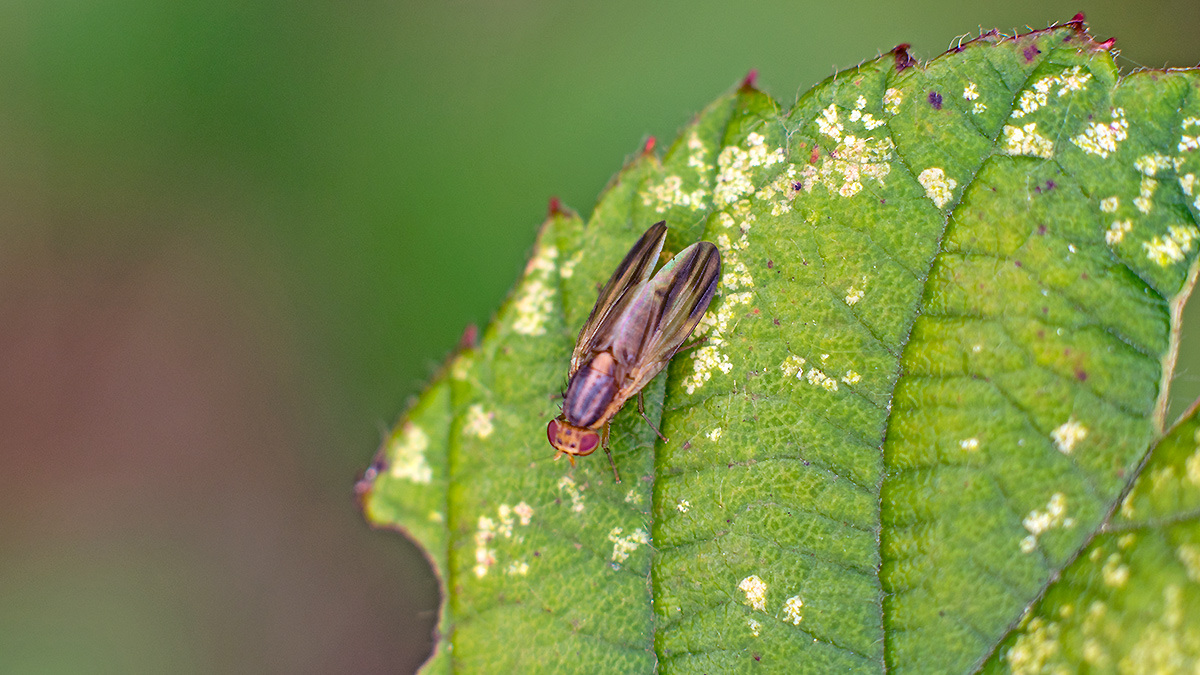
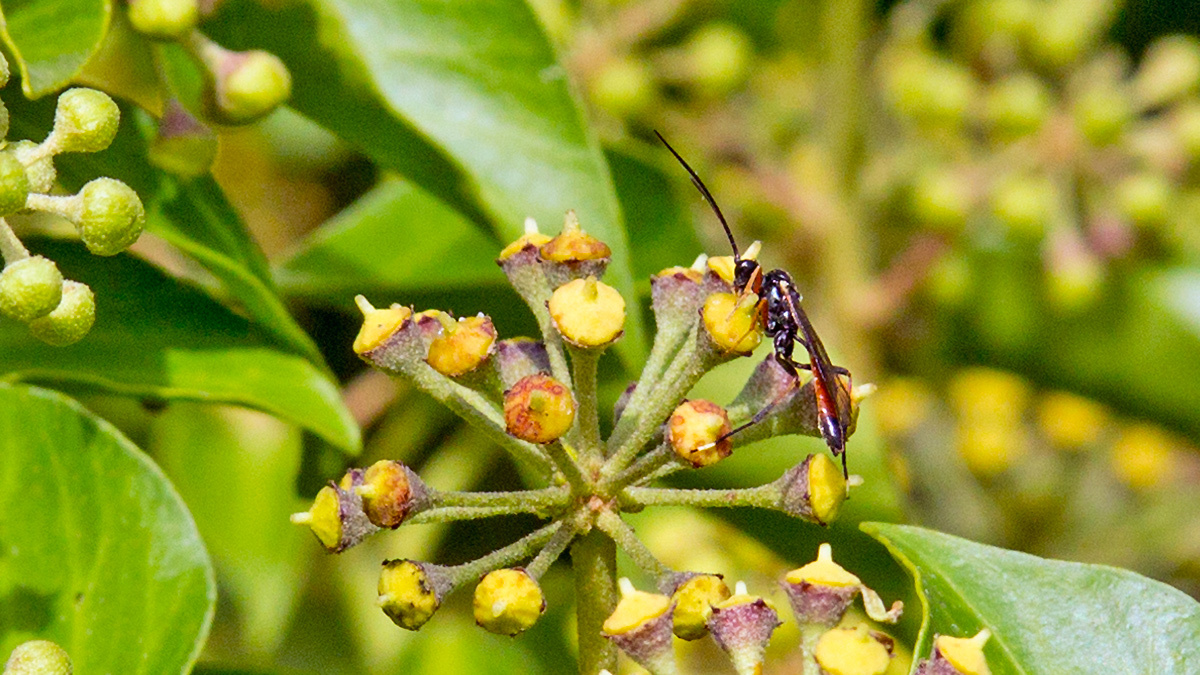
Two new species added today, an ichneumon wasp and a lauxaniid fly.
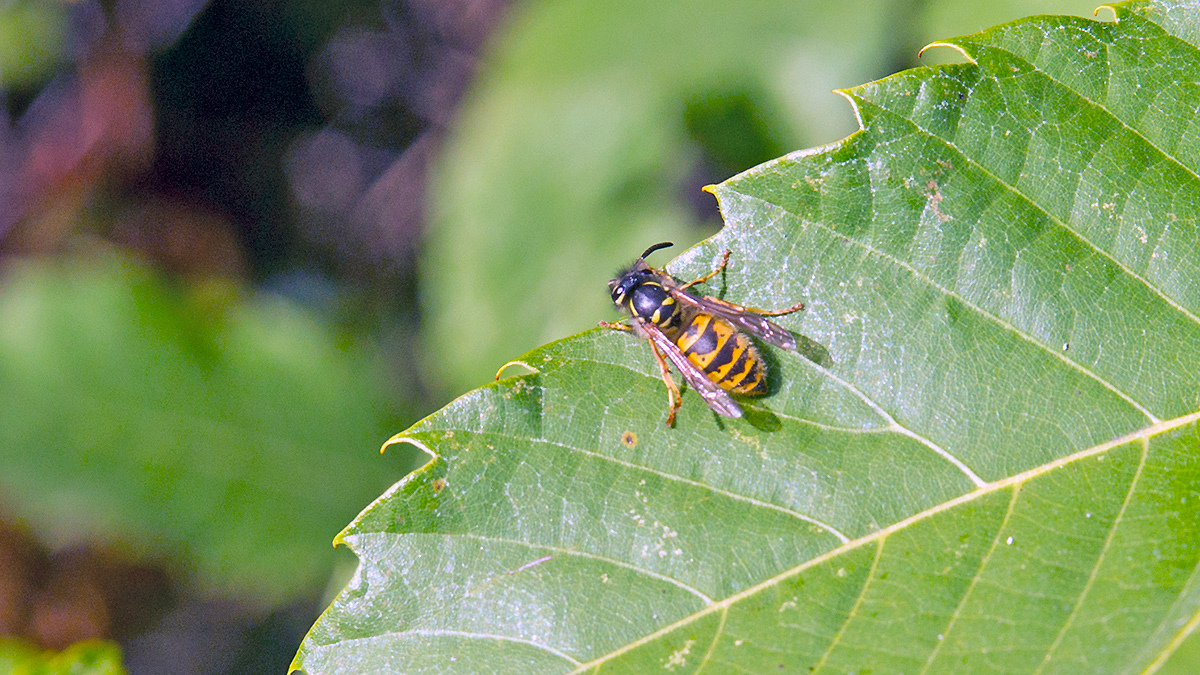
It was another sunny autumn day with very little wind, which meant lots of insect activity. Particularly noticeable now are the Vespidae wasps, especially Common Wasp (Vespula vulgaris) and German Wasp. They can be seen in any tangle of brambles, flying in and out, low down close to the ground.
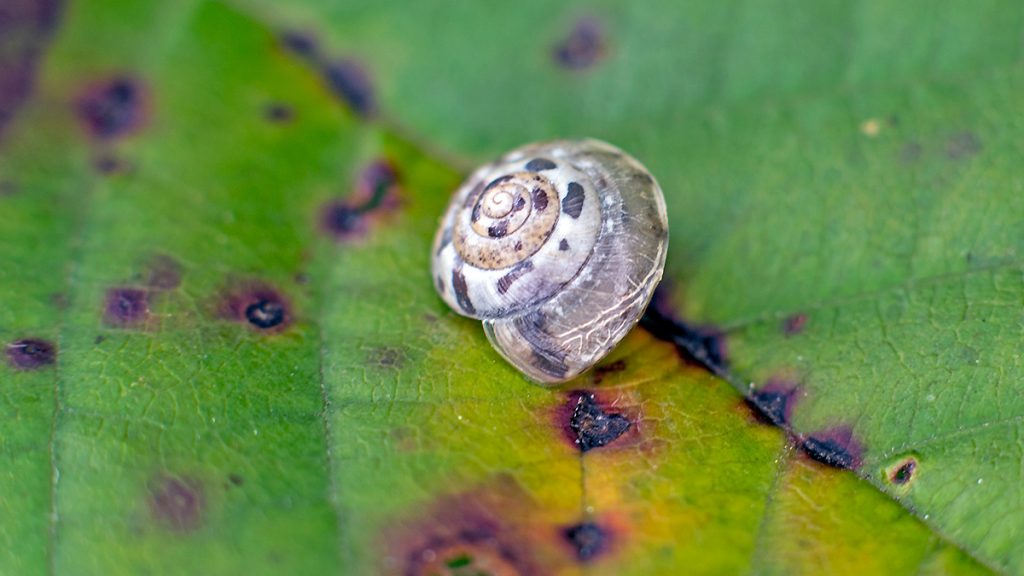
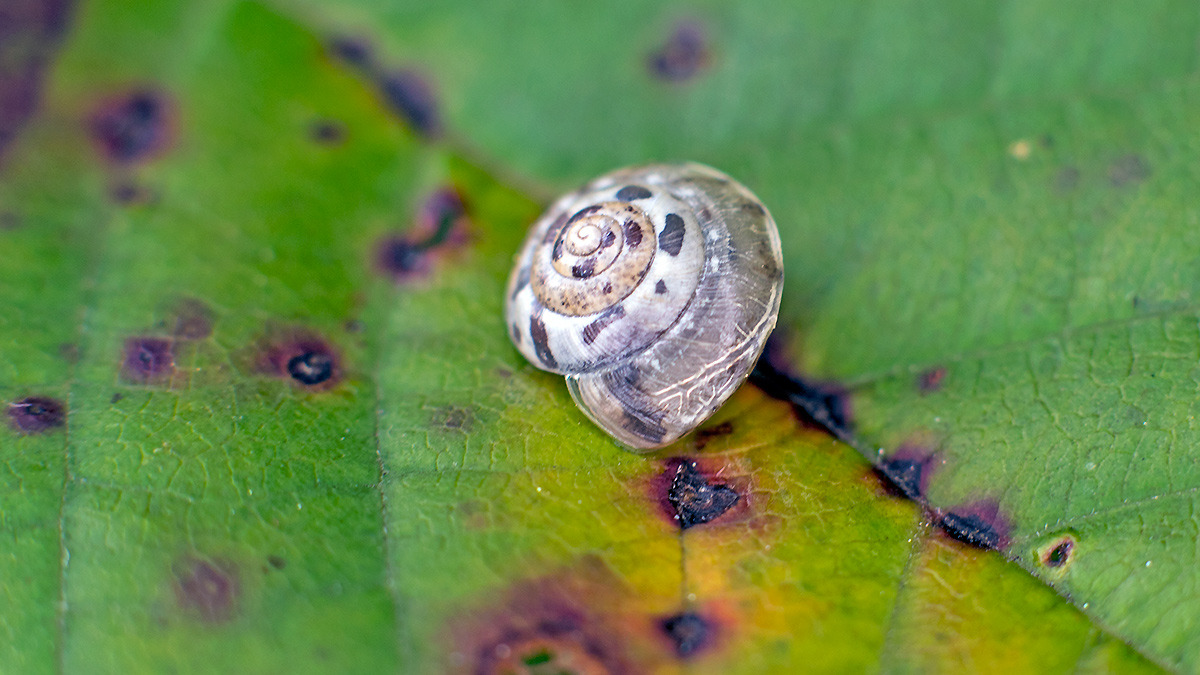
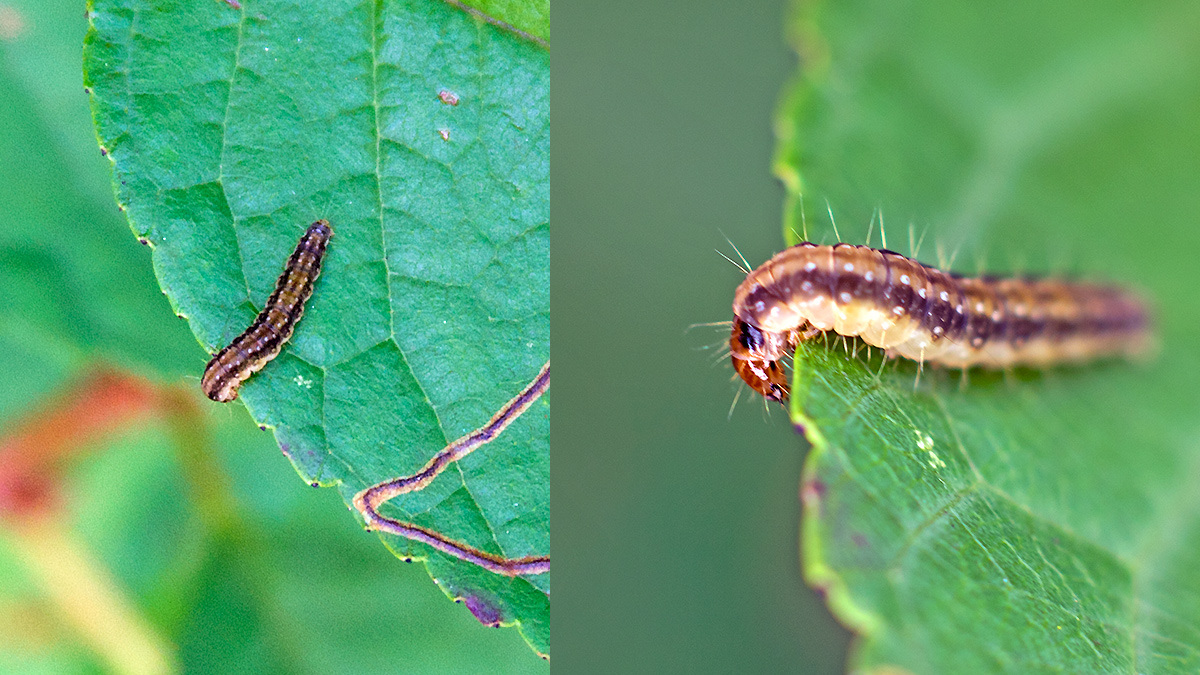
My usual route takes me past several Wild Cherry trees. One of these had a lot of small snails on its leaves, which I believe belongs to the family Hygromiidae, known as leaf snails or hairy snails. They are very variable in colour and identification from a single photo is quite difficult. I would suggest, though, that the one in my photo is a Kentish Snail (Monacha cantiana). On the same Wild Cherry, I found one the new additions to my Downs list, a lauxaniid fly, most probably Peplomyza litura, as well as a moth caterpillar, probably the larva of one of the Noctuidae moths.
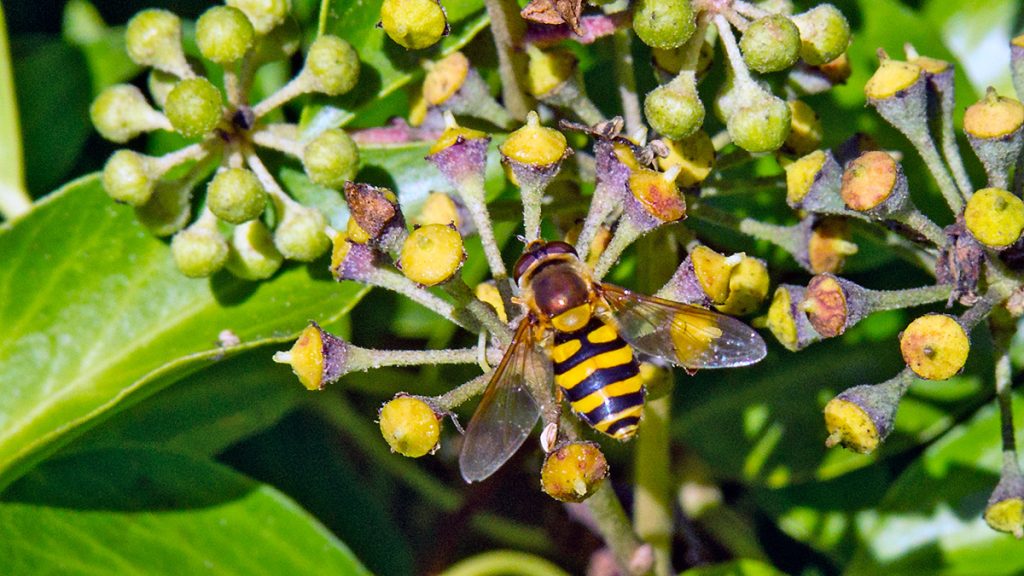
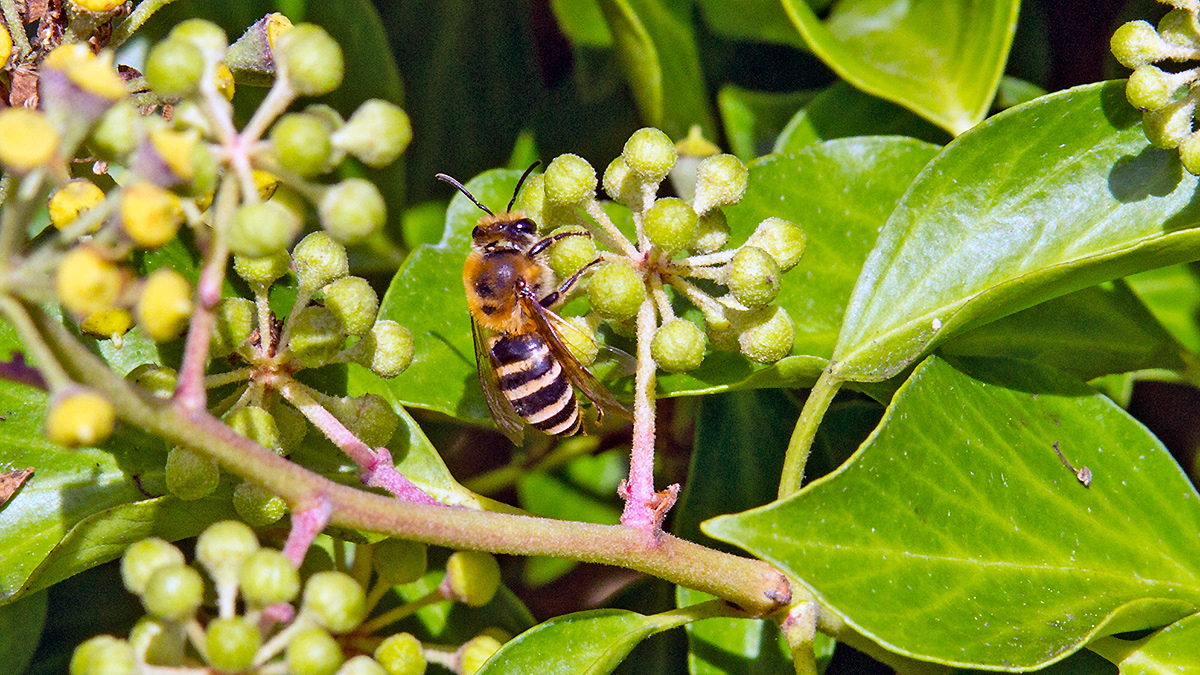
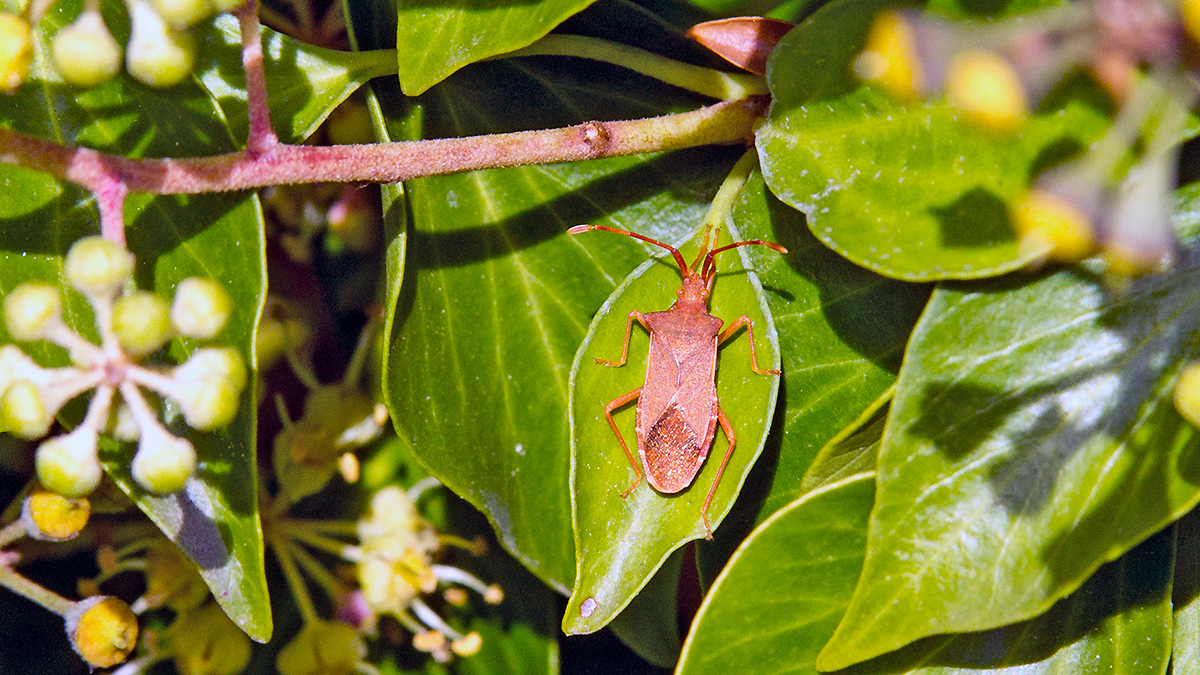
The clusters of flowering ivy are now attended almost exclusively by the Ivy Bee (Colletes hederae). Bumblebee and honey bee numbers have tailed off dramatically in the last week or so. Found together with Ivy Bees on one patch were a Box Bug (Gonocerus acuteangulatus) and my other new species today, another of those hard to identify ichneumon wasps. This male has ‘white socks’ on his hind legs, which may point to Ischnus inquisitorius.
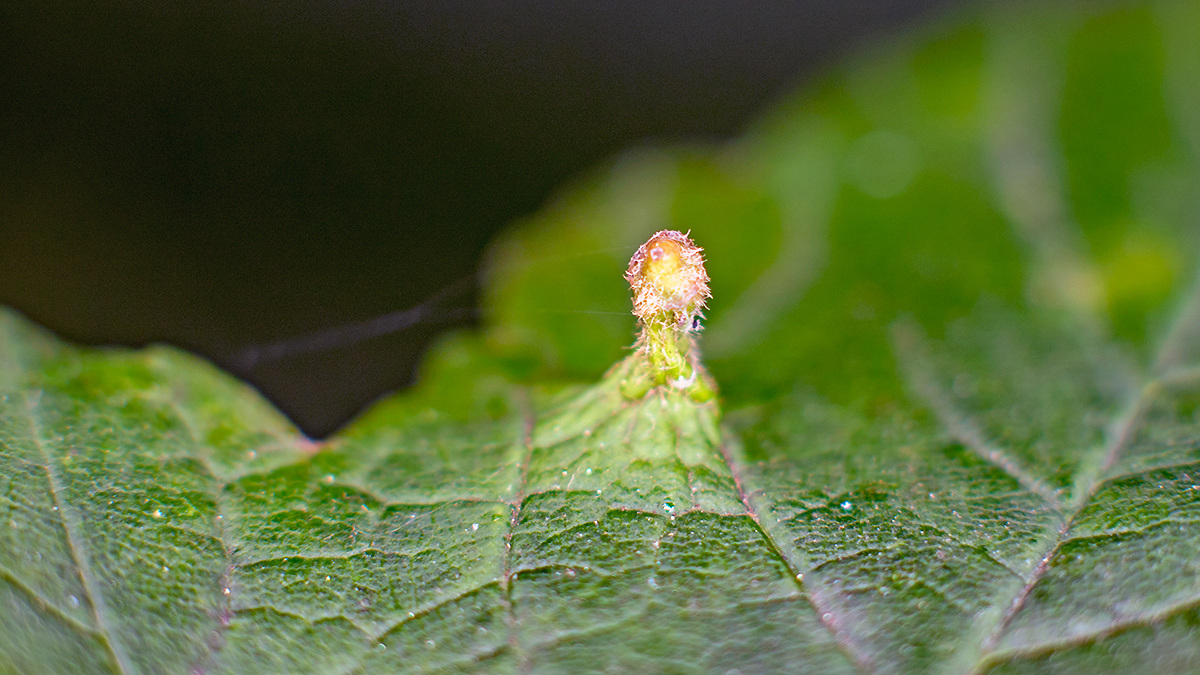
I found a single gall caused by the Maple Gall Mite (Aceria macrorhyncha) on a Sycamore leaf.
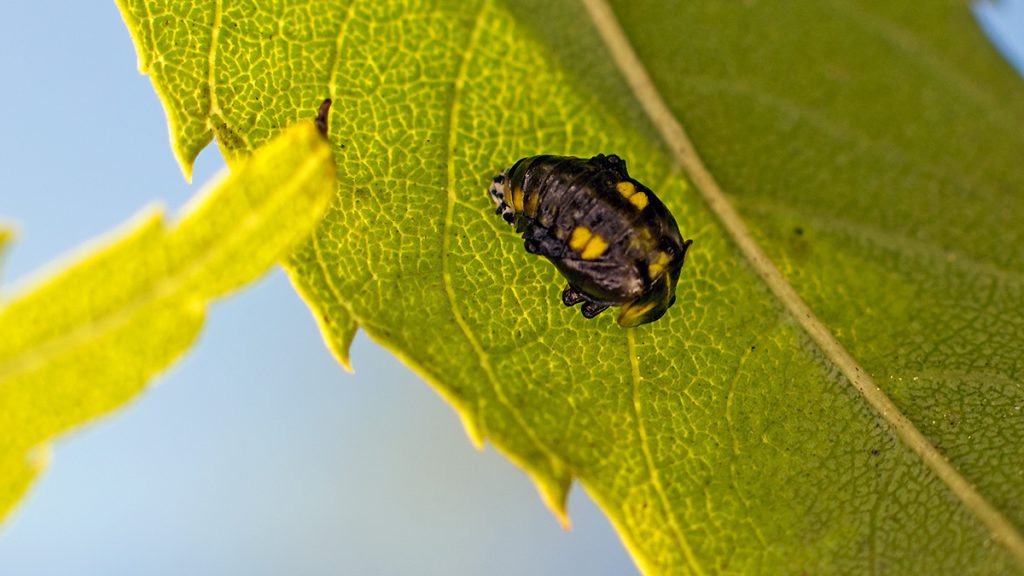
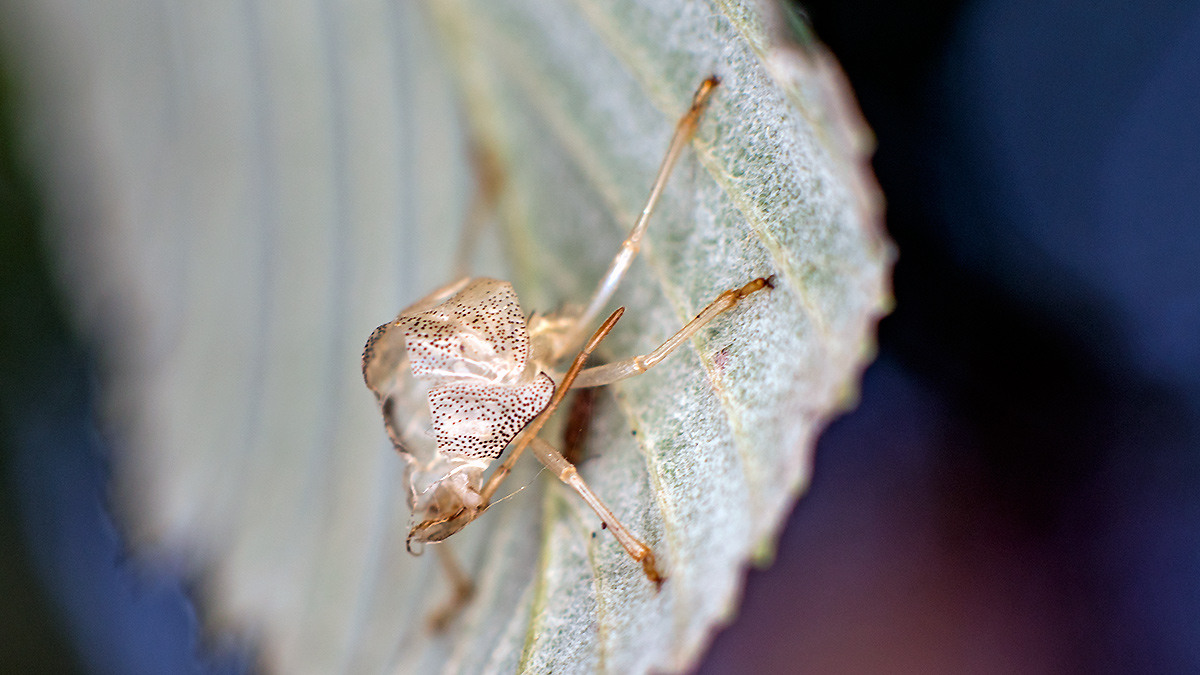
Attached to the underside of a Whitebeam leaf I came across the exuvium (shed remains of the exoskeleton) of a large final stage nymph of a shieldbug. Given the size, some 12-15 mm, this must belong to one of the large Pentatomidae shieldbugs. The backward curving edges to the pronotum could point to either Spiked Shieldbug (Picromerus bidens) or Hawthorn Shieldbug (Acanthosoma haemorrhoidale).
Nature Note for the Day
Why do we see so many wasps in October?
Throughout the spring and summer, worker wasps feed protein (the insects they have caught) to their colony queen’s grubs (larvae). In return, the larvae secrete a sweet liquid that the workers eat. During late summer and early autumn, the queen stops producing worker eggs and larvae, and switches to producing new queens and male drones. As the remaining worker larvae mature and pupate this leaves the workers both without a primary function and without their primary source of sugar.
Once the new queens and male drones leave the nest to mate, the old queen dies and the social structure of the colony collapses. Deprived of their usual reward, the worker wasps must hunt for sugar elsewhere. This includes searching for fallen and fermenting fruit such as rose hips, haws and brambles, which is why they can be found searching low down inside bramble thickets.
They don’t just restrict themselves to brambles, anything sweet is fair game, like your rubbish bin or your fizzy drink.
<<<< Previous page | Next Page >>>>