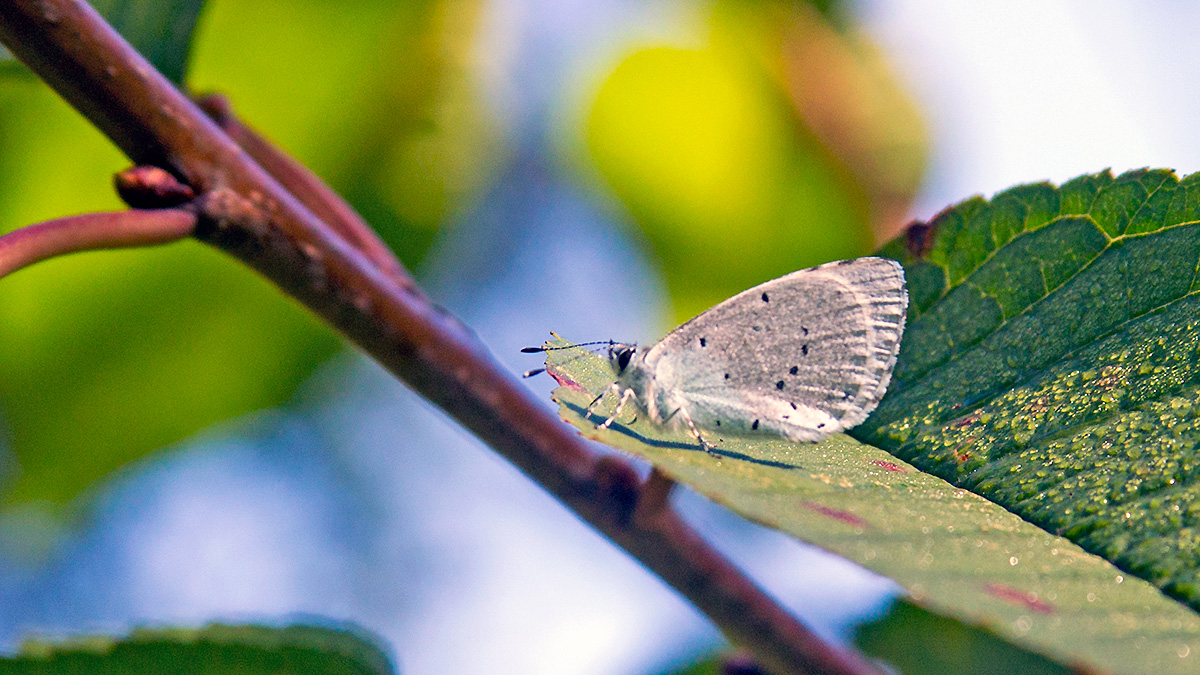
A surprising first photo of the day was a Holly Blue (Celastrina argiolus) butterfly. Flight season for the second (summer) brood of Holly Blue ends around the first week of September, so to see one today implies that this is from a third brood. A third brood only occurred 9 times in the whole of the 20th century, but since 2016 has been an annual event in southern England. A consequence of climate change?
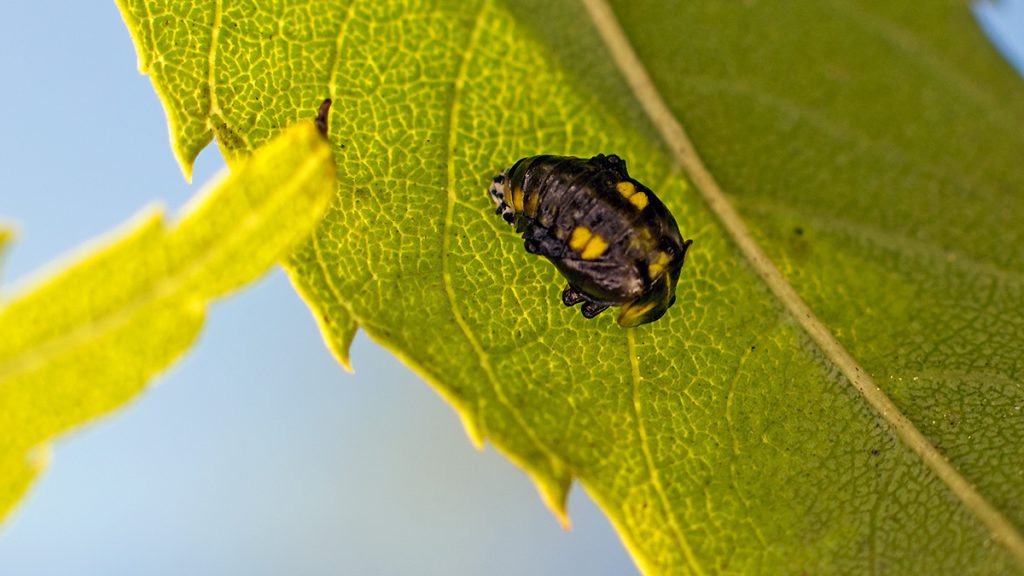
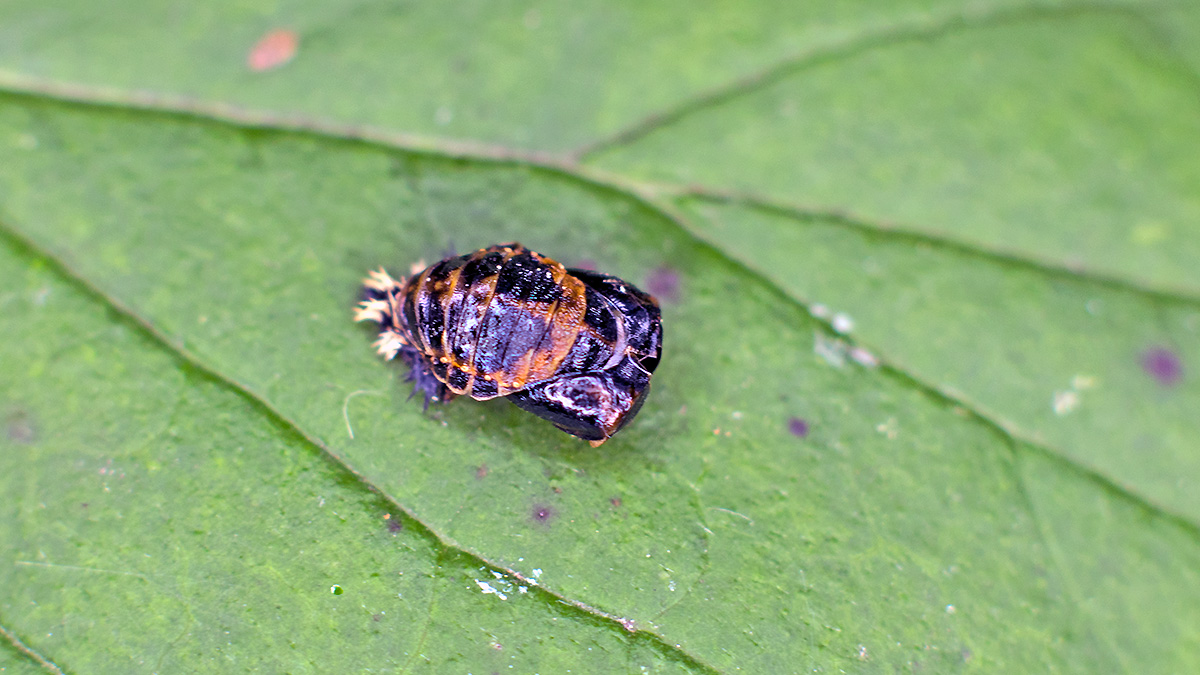
In my last diary entry, I posted an image of an Orange Ladybird pupa. Today I found another ladybird pupa, this one of the Harlequin Ladybird (Harmonia axyridis).
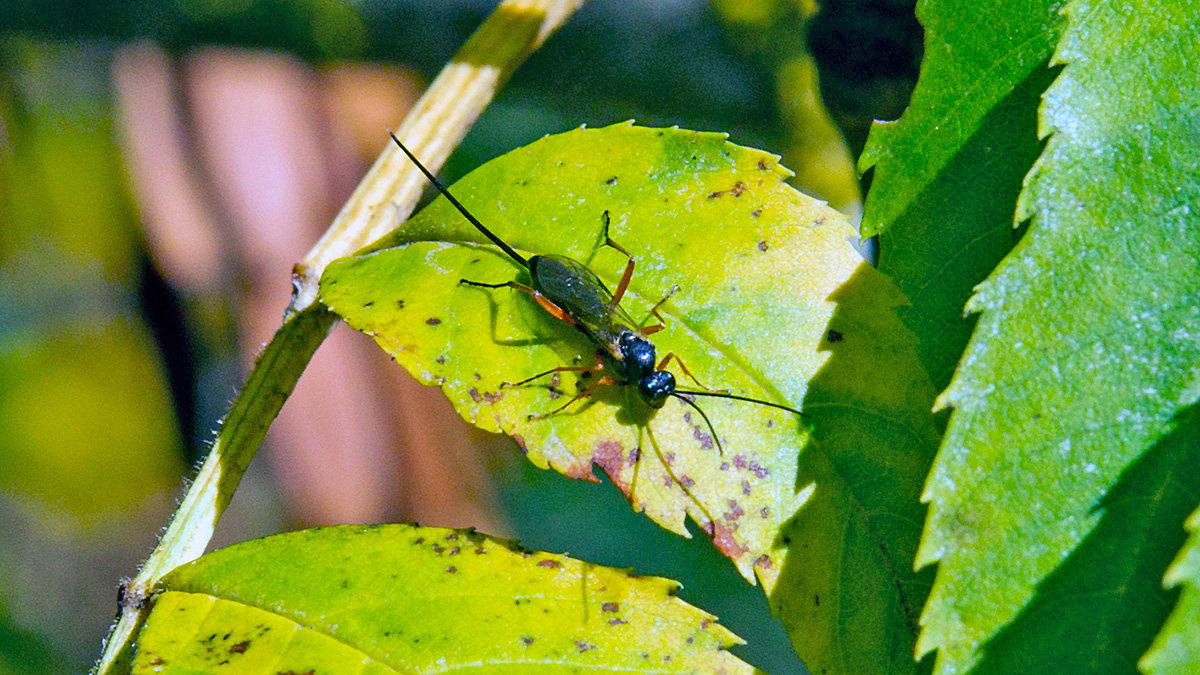
Returning to the ash tree where I found the Orange Ladybird pupa and some Ash Whitefly nymphs last time, in the hope of some better photos of the whitefly nymphs, I failed to find any at all but did see a female ichneumon wasp. The all-black body and orange legs, together with the long, thin ovipostor, suggest that this may be a Lissonota species, possibly Lissonota setosa.
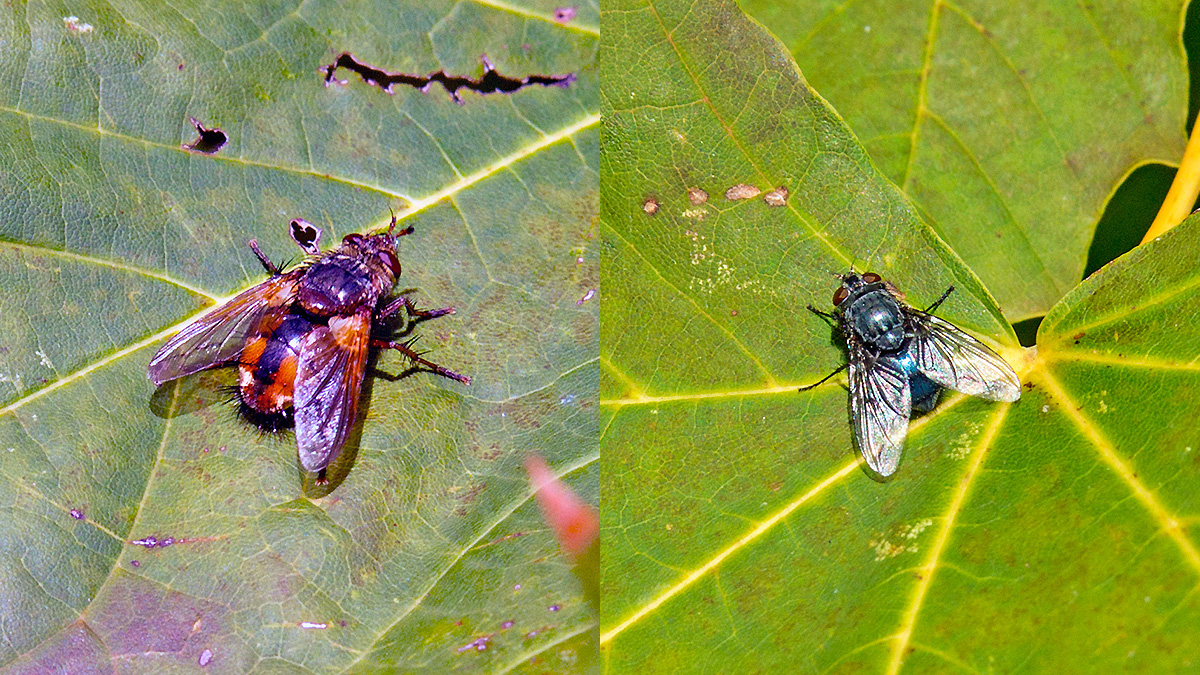
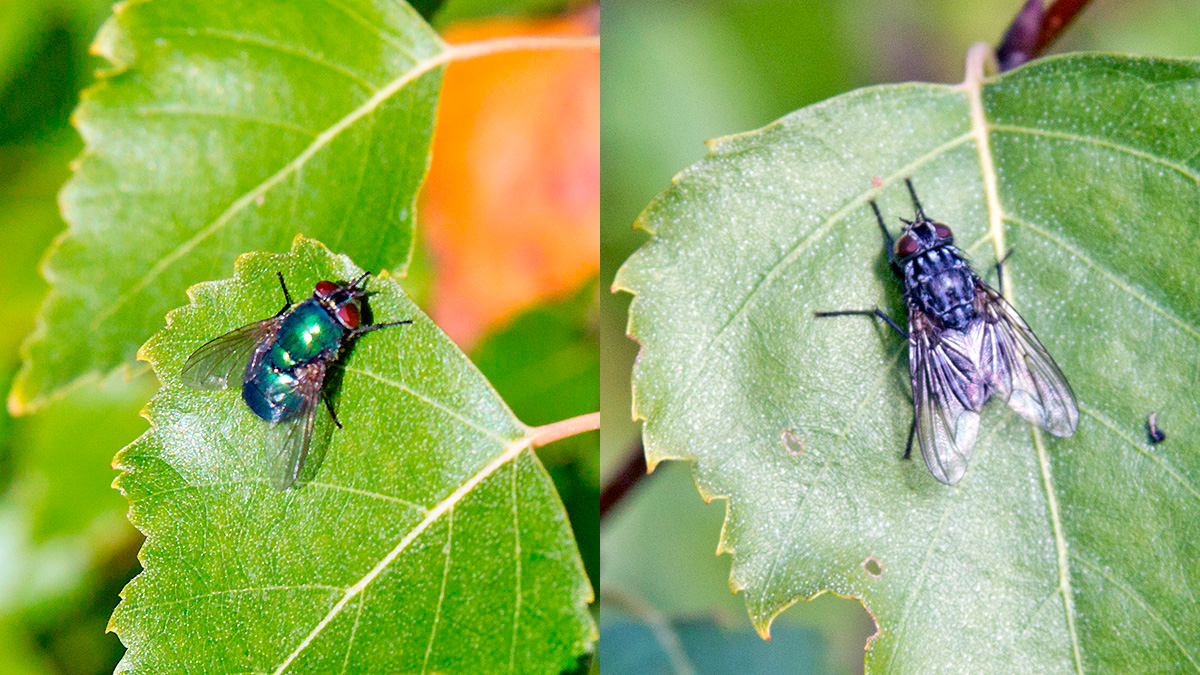
With today’s cloudless sky and plenty leaves in full sun to bask on, there were lots of flies about.
The leaves of a Norwegian Maple hosted both a Common Tachinid (Tachina fera) and a Common Bluebottle (Calliphora vicina), while the leaves of a Silver Birch had a Lucilia sp. greenbottle in close proximity to a muscid fly. The wing venation suggests that it is a Polietes sp., possibly a Large Polietes (Polietes lardarius).
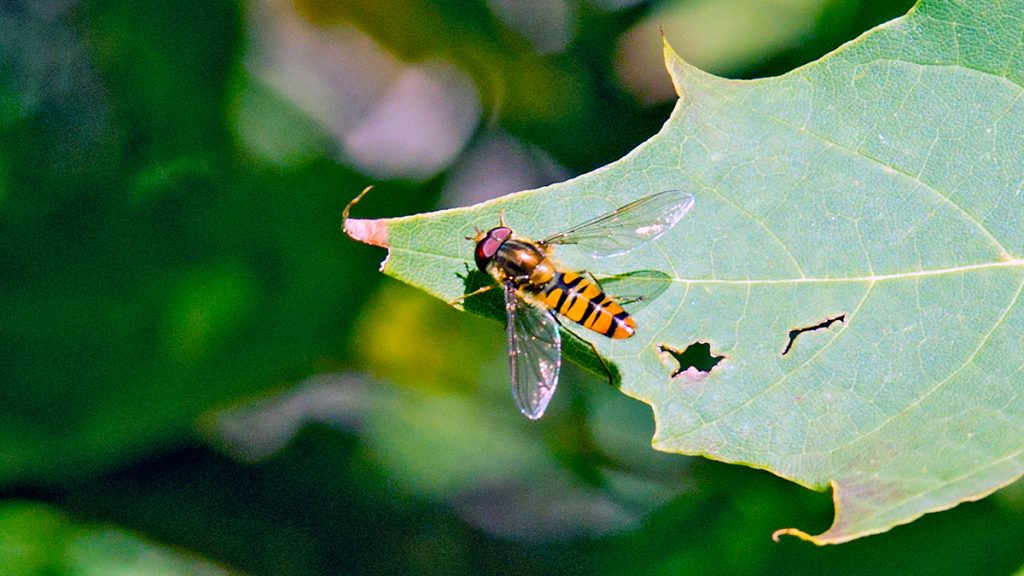
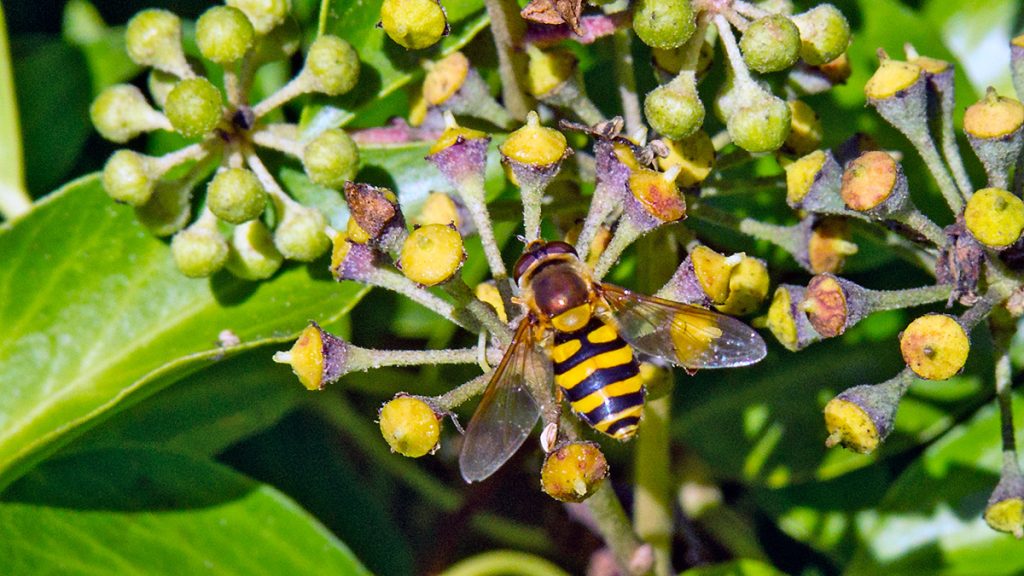
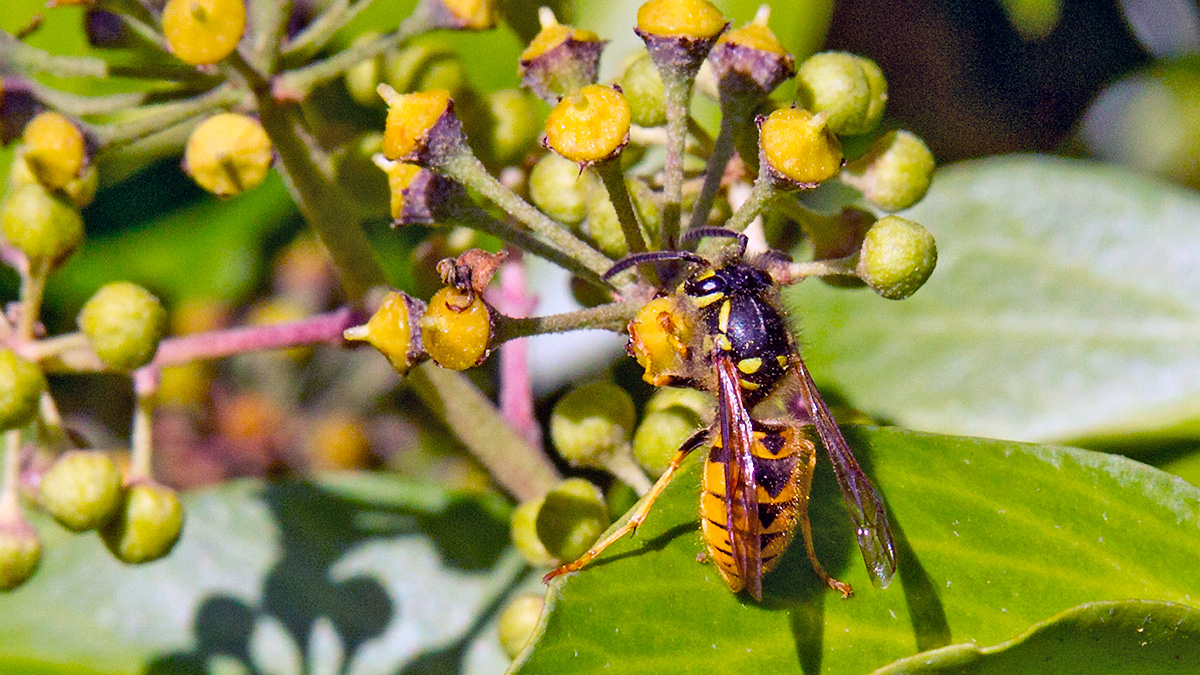
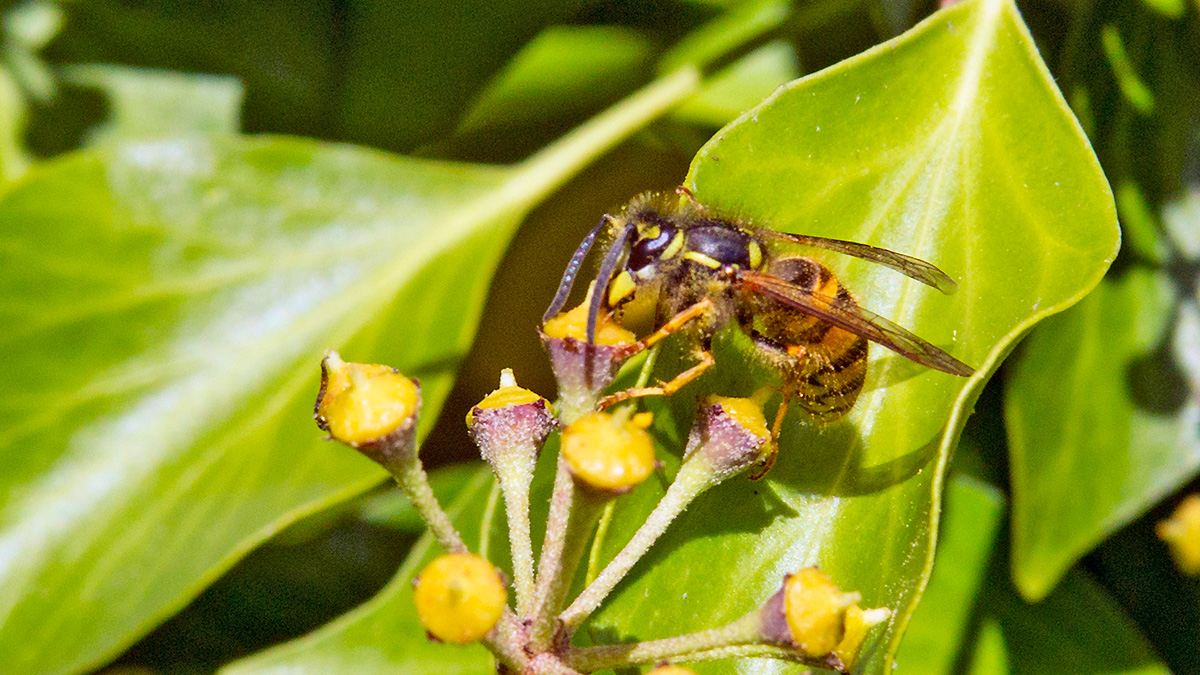
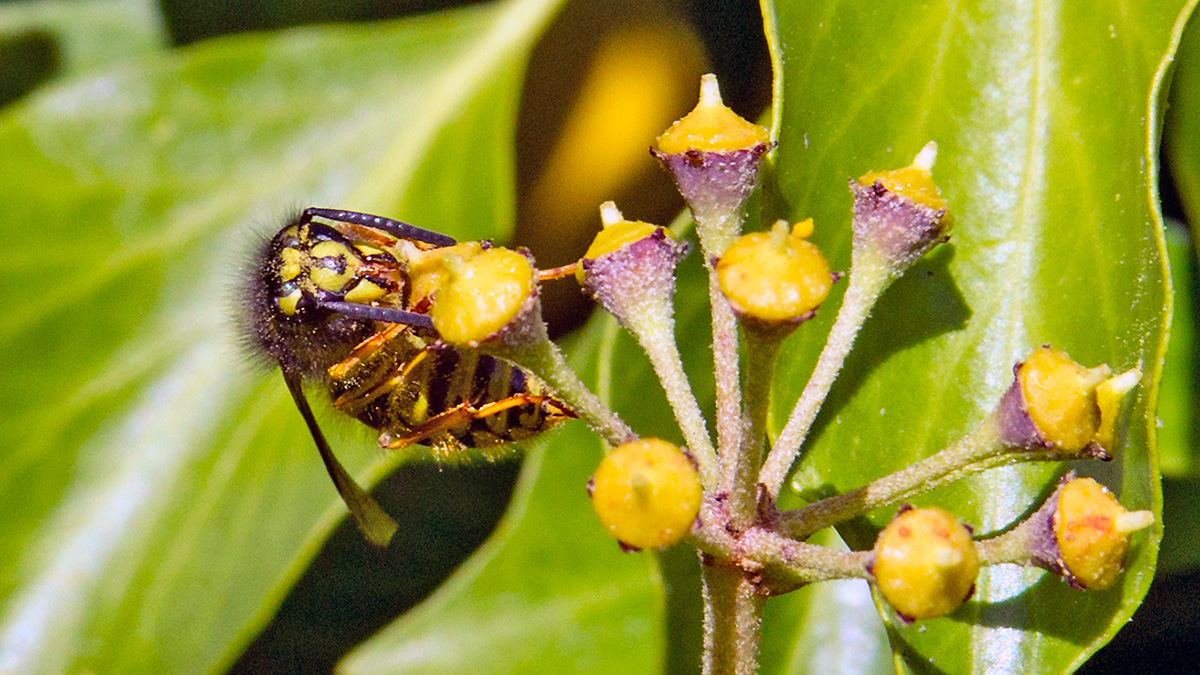
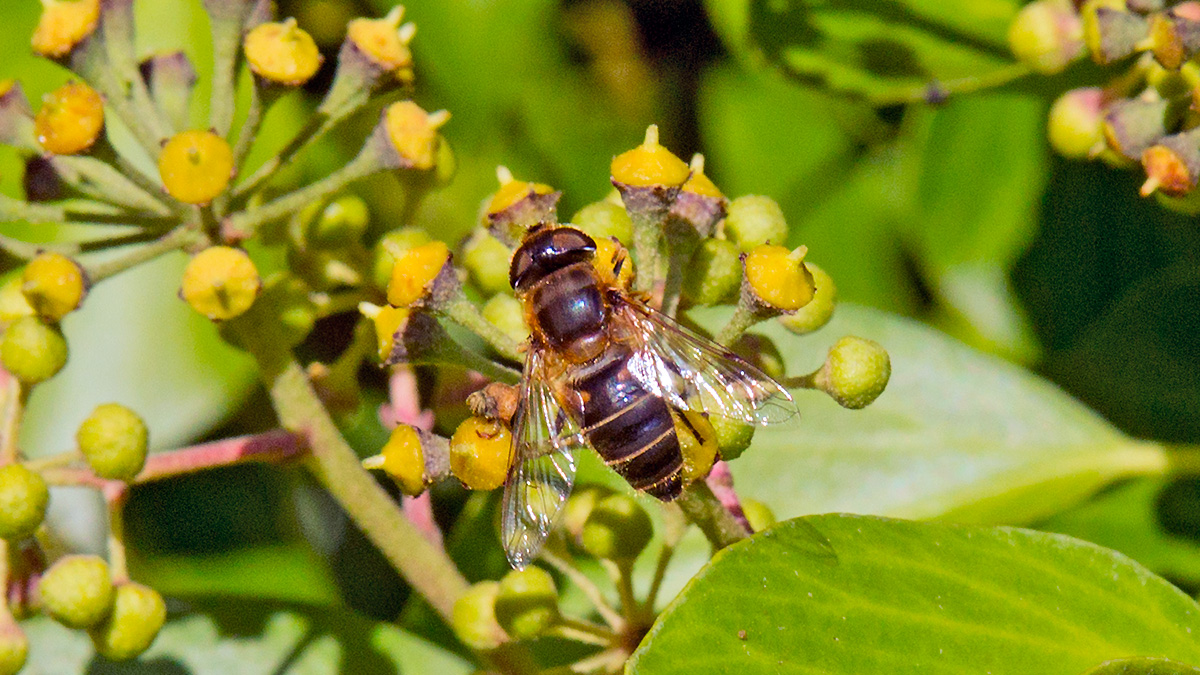
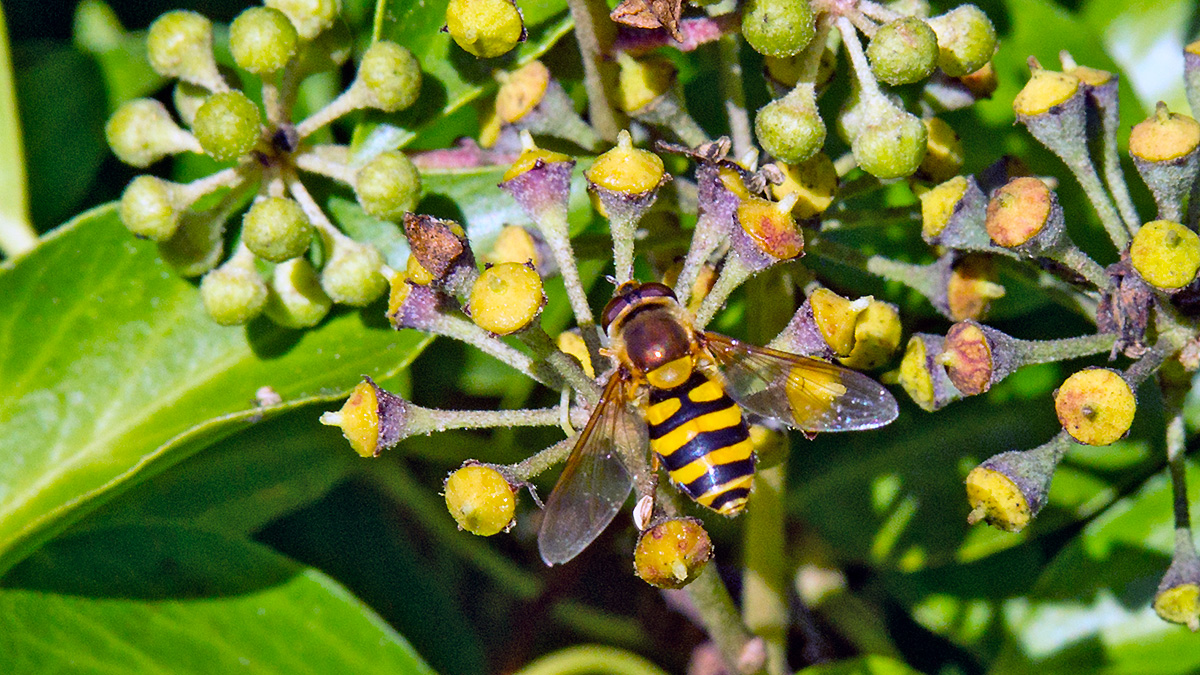
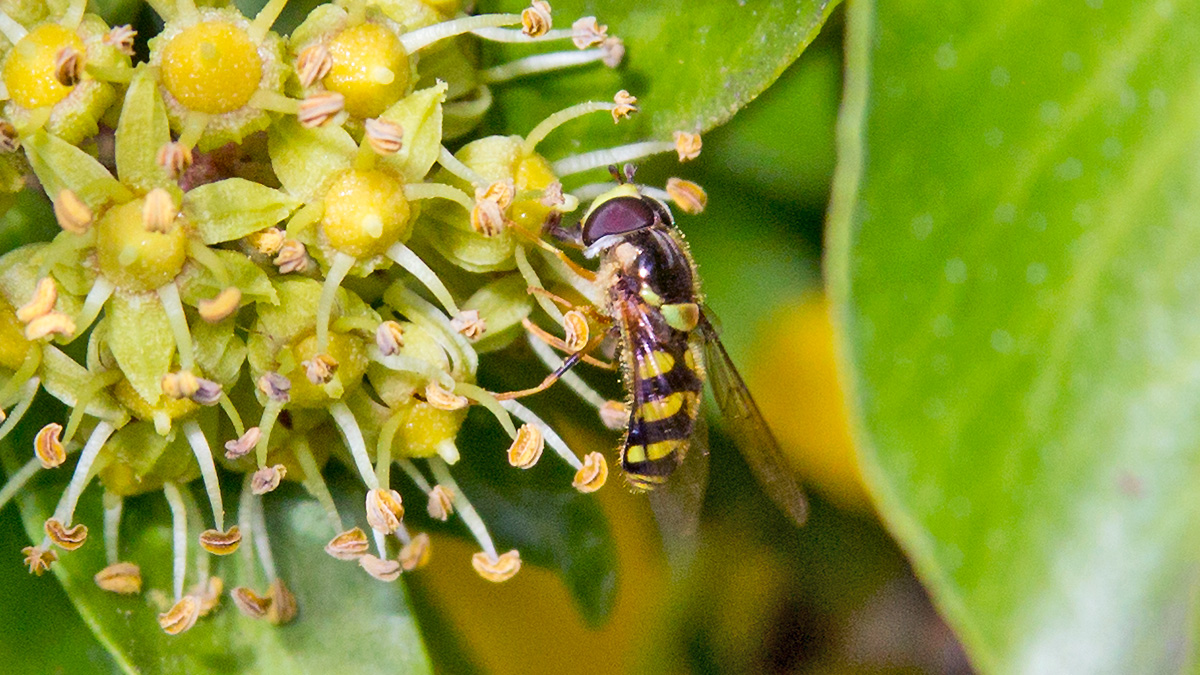
On one particular cluster of ivy flowers, I found not only Ivy Bee and Box Bug but also Common Wasp (Vespula vulgaris) and three different hoverflies, Common Drone Fly (Eristalis tenax), Common Banded Hoverfly (Syrphus ribesii) and Stripe-backed Brusheye (Dasysyrphus albostriatus).
<<<< Previous page | Next Page >>>>