Butterfly numbers around the same as Saturday with 90% of those seen being either Gatekeeper (Pyronia tithonus) or Chalk Hill Blue. The Gatekeeper still outnumbers the Blue overall, but on the northern part of the main common Chalk Hill Blue is dominant. This is where I managed a photo of the two species on adjacent Wild Marjoram flowers. There were still a few Meadow Brown, Ringlet, Common Blue and Small Blue (Cupido minimus) to be seen, while I saw just one each of Marbled White, Green-veined White, Red Admiral, Painted Lady and Dark Green Fritillary, for a total of 11 species.
Two of the common day-flying moths that were seen on Saturday were seen again, Jersey Tiger and Mint Moth. A Southern Hawker dragonfly was seen patrolling one of its favourite spots along the woodland edge.
It was a good day for variety, with several ‘first of the year’ sightings and one potentially new species to add to my Downs list.
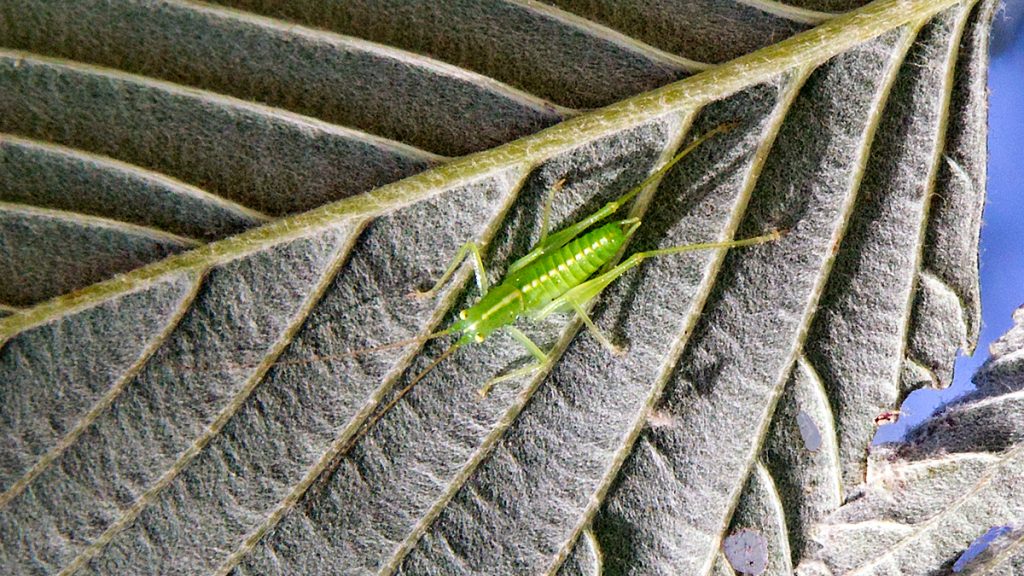
An Oak Bush-cricket (Meconema thalassinum) nymph was located on Whitebeam (Aria edulis) and a 5th and final instar nymph of the Green Shield Bug (Palomena prasina) on Common Dogwood.
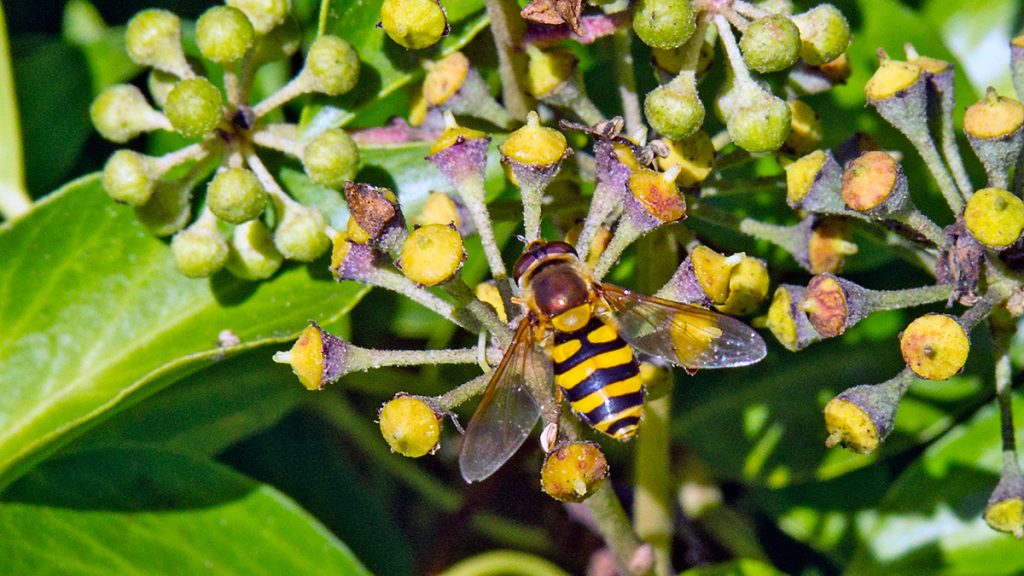
First of the year sightings were of a mirid bug (Orthops campestris)and a Large Rose Sawfly (Arge pagana) both in the same patch of Common Hogweed, and a Pellucid Hoverfly (Volucella pellucens) on Hemp-agrimony. Hornet Hoverfly (Volucella zonaria) on Hemp-agrimony and Lesser Hornet Hoverfly (Volucella inanis) on Common Dogwood completed a trio of these large Volucella hoverflies.
Hemp-agrimony is attracting a lot of pollinators right now as the Common Hogweed goes to seed, as well as Wild Parsnip, which is now reaching full flowering. A patch of the parsnip was where I found two solitary wasps, an Ectemnius species and a Cerceris species. These wasps are notoriously difficult to identify from photos and their markings are variable, so I may even be off the mark completely with the genus level ID. Nevertheless, the Ectemnius is definitely a new species for me whatever its species, which I’d tentatively make E. lapidarius. The Cerceris may well be an Ornate-tailed Digger Wasp (Cerceris rybyensis).
I was lucky to find two separate Kite-tailed Robberfly (Machimus atricapillus) each feeding on recently caught prey, one perhaps a small ichneumon wasp and the other a micro-moth.
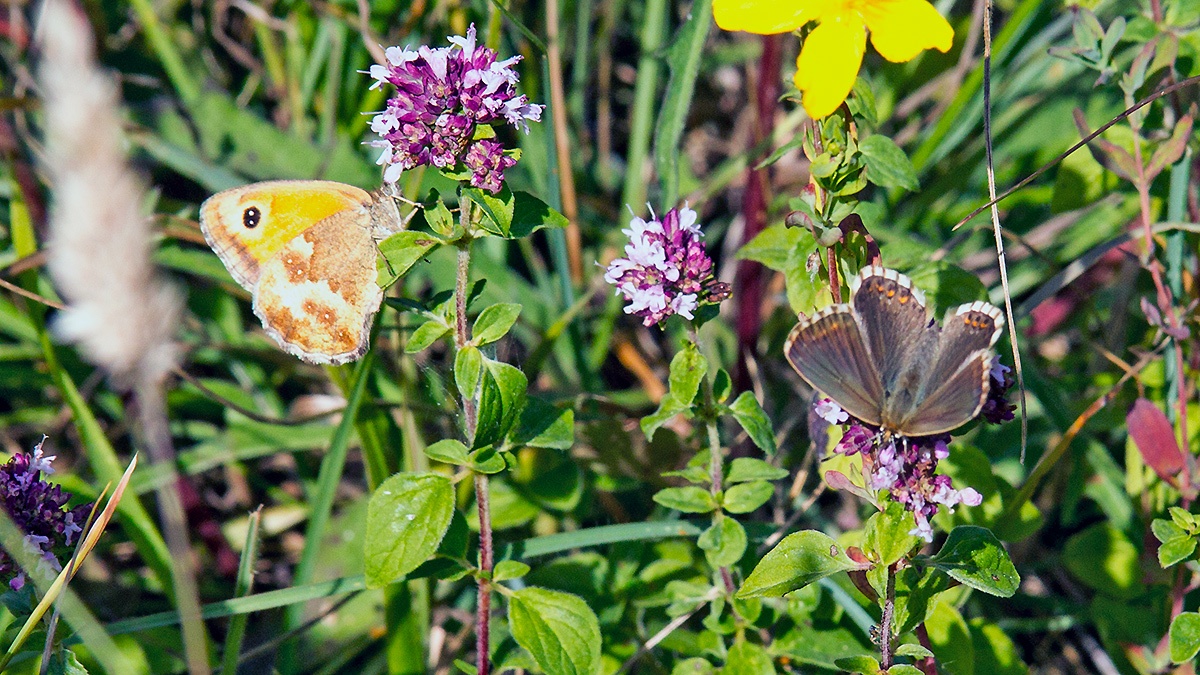
![Small Blue [Cupido minimus]](https://downsdiary.uk/wp-content/gallery/jul_2026/NG9_1141_EOS-1D_TheDowns_20Jul2026.jpg "Small Blue [Cupido minimus]")
![Oak Bush-cricket [Meconema thalassinum]](https://downsdiary.uk/wp-content/gallery/jul_2026/NG9_1195_EOS-1D_TheDowns_20Jul2026.jpg "Oak Bush-cricket [Meconema thalassinum]")
![Green Shield Bug [Palomena prasina]](https://downsdiary.uk/wp-content/gallery/jul_2026/BD2_6201_7D_TheDowns_20Jul2026.jpg "Green Shield Bug [Palomena prasina]")
![mirid bug [Orthops campestris]](https://downsdiary.uk/wp-content/gallery/jul_2026/BD2_6182_7D_TheDowns_20Jul2026.jpg "mirid bug [Orthops campestris]")
![Large Rose Sawfly [Arge pagana]](https://downsdiary.uk/wp-content/gallery/jul_2026/NG9_1150_EOS-1D_TheDowns_20Jul2026.jpg "Large Rose Sawfly [Arge pagana]")
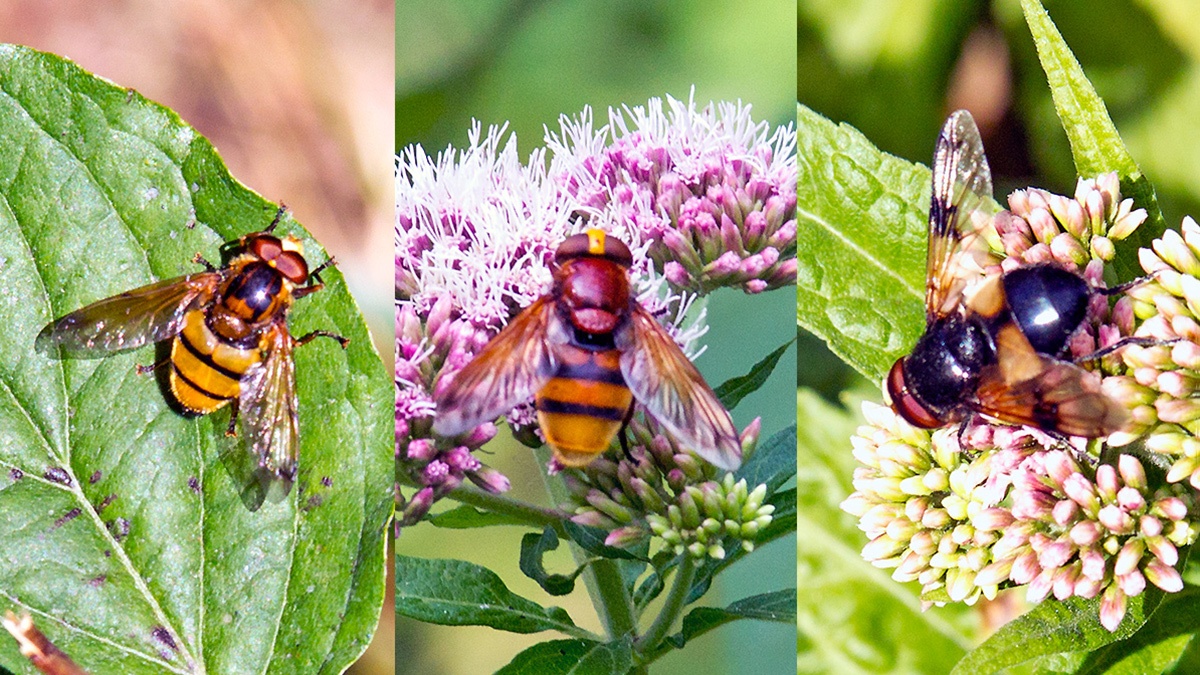
![square-headed wasp [Ectemnius lapidarius?]](https://downsdiary.uk/wp-content/gallery/jul_2026/BD2_6214_7D_TheDowns_20Jul2026.jpg "square-headed wasp [Ectemnius lapidarius?]")
![Ornate-tailed Digger Wasp [Cerceris rybyensis?]](https://downsdiary.uk/wp-content/gallery/jul_2026/NG9_1227_EOS-1D_TheDowns_20Jul2026.jpg "Ornate-tailed Digger Wasp [Cerceris rybyensis?]")
![Kite-tailed Robberfly [Machimus atricapillus]](https://downsdiary.uk/wp-content/gallery/jul_2026/NG9_1137-73_EOS-1D_TheDowns_20Jul2026.jpg "Kite-tailed Robberfly [Machimus atricapillus]")
I located a few leaf mines and galls, including the mine of the leaf-miner moth Phyllonorycter messaniella on a Beech leaf, a Knopper Gall Wasp (Andricus quercuscalicis) gall on an oak leaf and a Willow Gall Sawfly (Euura pedunculi) gall on a Goat Willow leaf.
![Willow Gall Sawfly [Euura pedunculi]](https://downsdiary.uk/wp-content/gallery/jul_2026/BD2_6189_7D_TheDowns_20Jul2026.jpg "Willow Gall Sawfly [Euura pedunculi]")
![Knopper Gall Wasp [Andricus quercuscalicis]](https://downsdiary.uk/wp-content/gallery/jul_2026/NG9_1210_EOS-1D_TheDowns_20Jul2026.jpg "Knopper Gall Wasp [Andricus quercuscalicis]")
![Ilex Leaf-miner [Phyllonorycter messaniella]](https://downsdiary.uk/wp-content/gallery/jul_2026/NG9_1133-35_EOS-1D_TheDowns_20Jul2026.jpg "Ilex Leaf-miner [Phyllonorycter messaniella]")
Latest wildflower to appear is Weld (Reseda luteola), also known as Dyer’s Weed, as the plant is rich in luteolin (hence the botanical name), which can be used to make a yellow dye. Of topical interest is that it was used in the Bayeux Tapestry.
![Weld [Reseda luteola]](https://downsdiary.uk/wp-content/gallery/jul_2026/NG9_1129-31_EOS-1D_TheDowns_20Jul2026.jpg "Weld [Reseda luteola]")
<<<< Previous page | Next Page >>>>