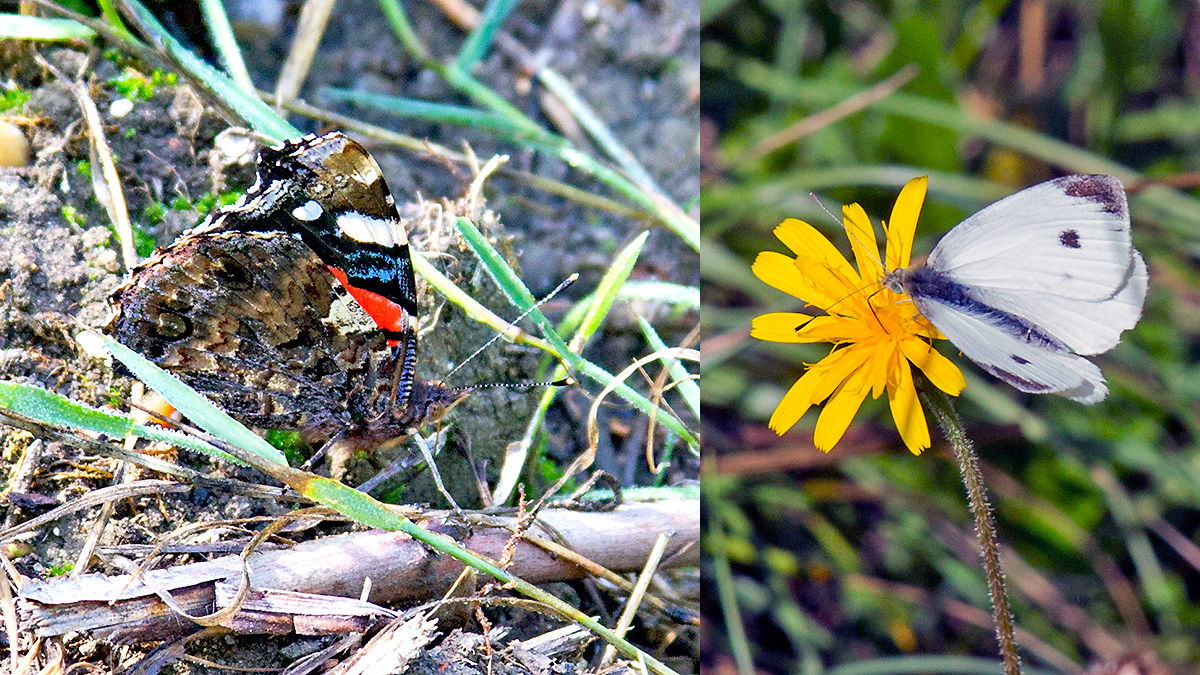
I thought that today’s warm, almost windless conditions might just bring out the last few diehard butterflies and I wasn’t wrong. Although the total was a mere 7 individuals, there were 4 different species, 4 Small White (Pieris rapae) and 1 each of Small Copper, Red Admiral (Vanessa atalanta) and Meadow Brown.
Trying to find anything at all to photograph at this time of year is becoming more of a challenge, yet I managed to add 2 new species to my Downs list.
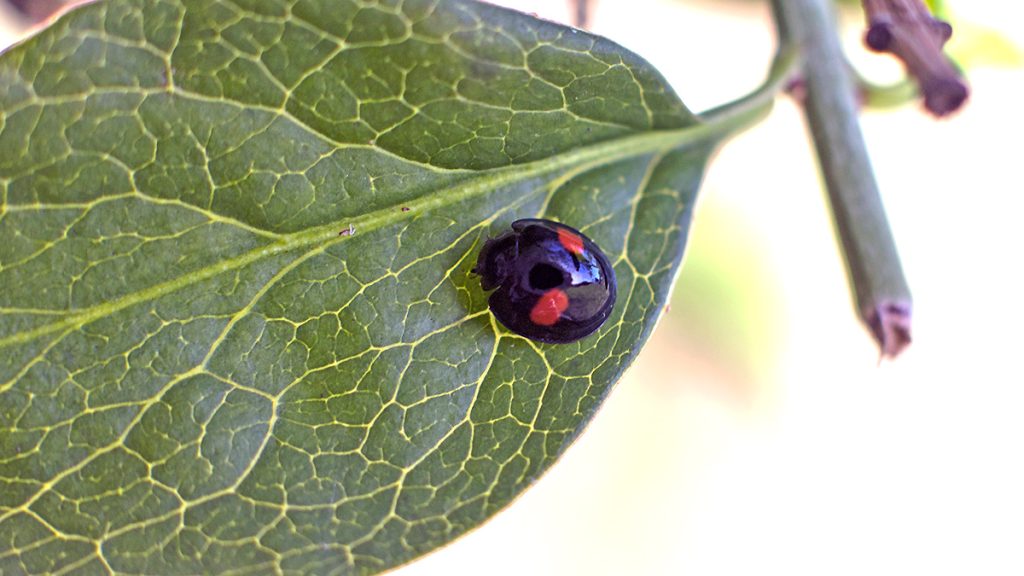
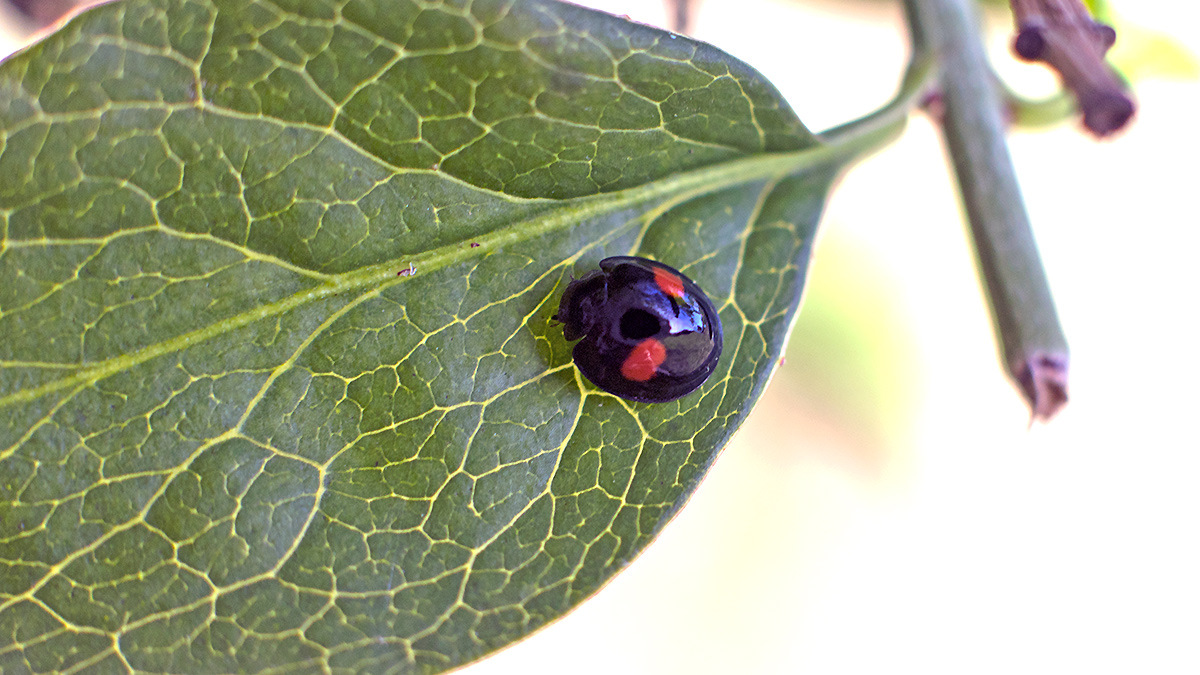
The first of these is my 10th ladybird species recorded on the Downs, a Kidney-spot Ladybird (Chilocorus renipustulatus) spotted on a leaf of a Common Spindle (Euonymus europaeus) tree. This is a small ladybird, only 4-5mm long.
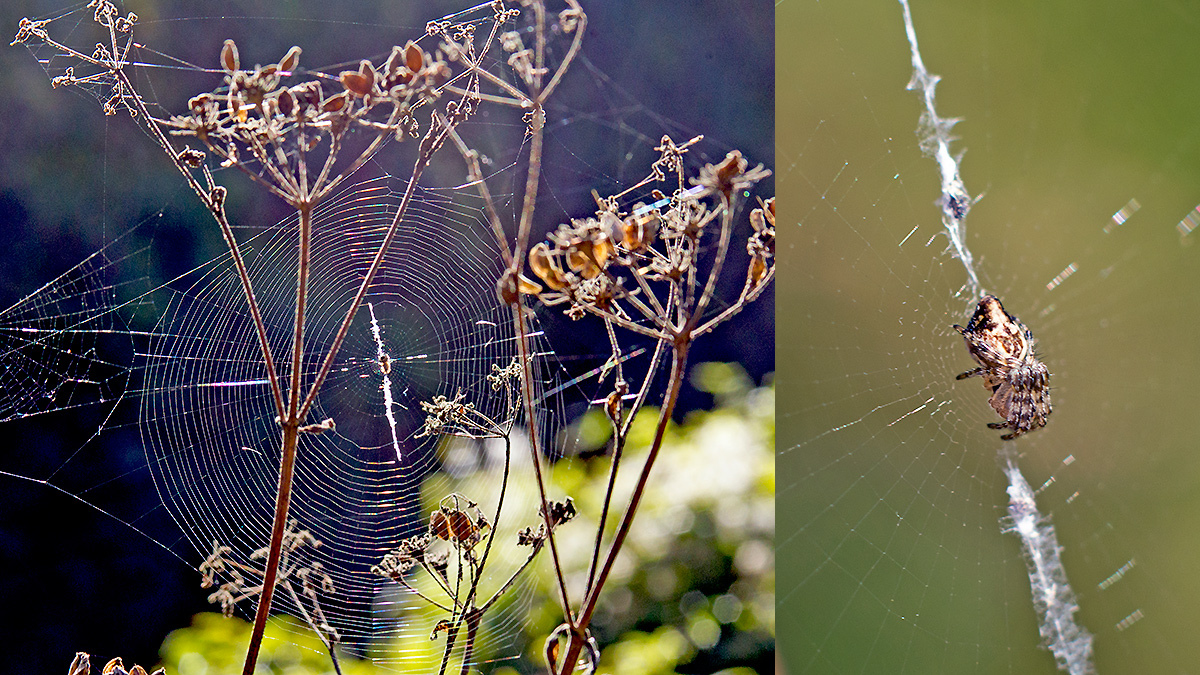
The second is one of the orb-weaver spiders, a Trash-line Spider (Cyclosa conica). Orb-weavers construct the typical circular webs with which we are all familiar. What is interesting with the web of C. conica is that it contains an intricately woven central ‘rib’, known as a stabilimentum, which includes discarded body parts from its prey and other debris. The spider sits at the centre-point of the stabilimentum with legs pulled into its body, and body aligned along the stabilimentum. This is a form of camouflage, as long as it remains motionless the spider essentially hides in plain sight.
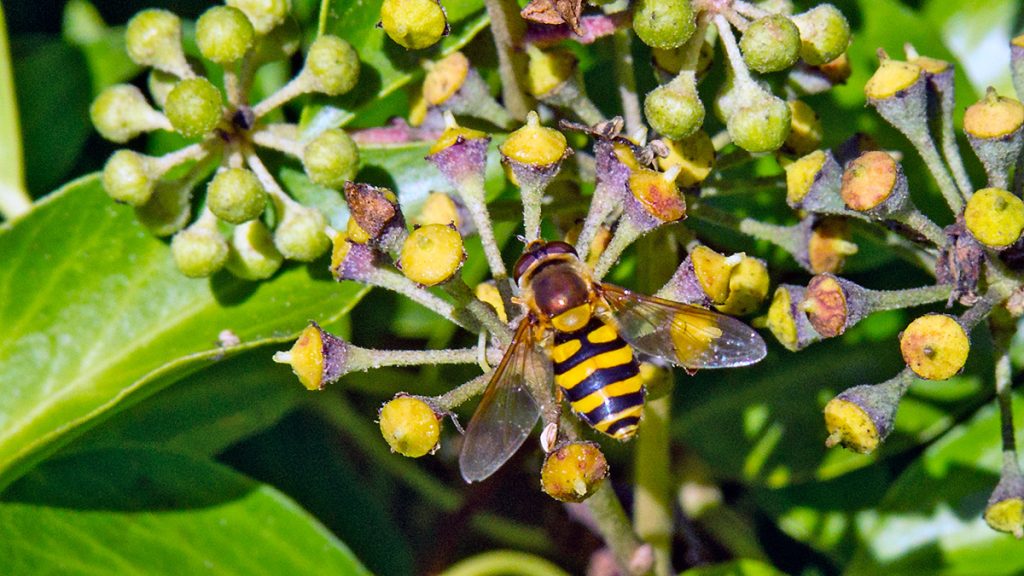
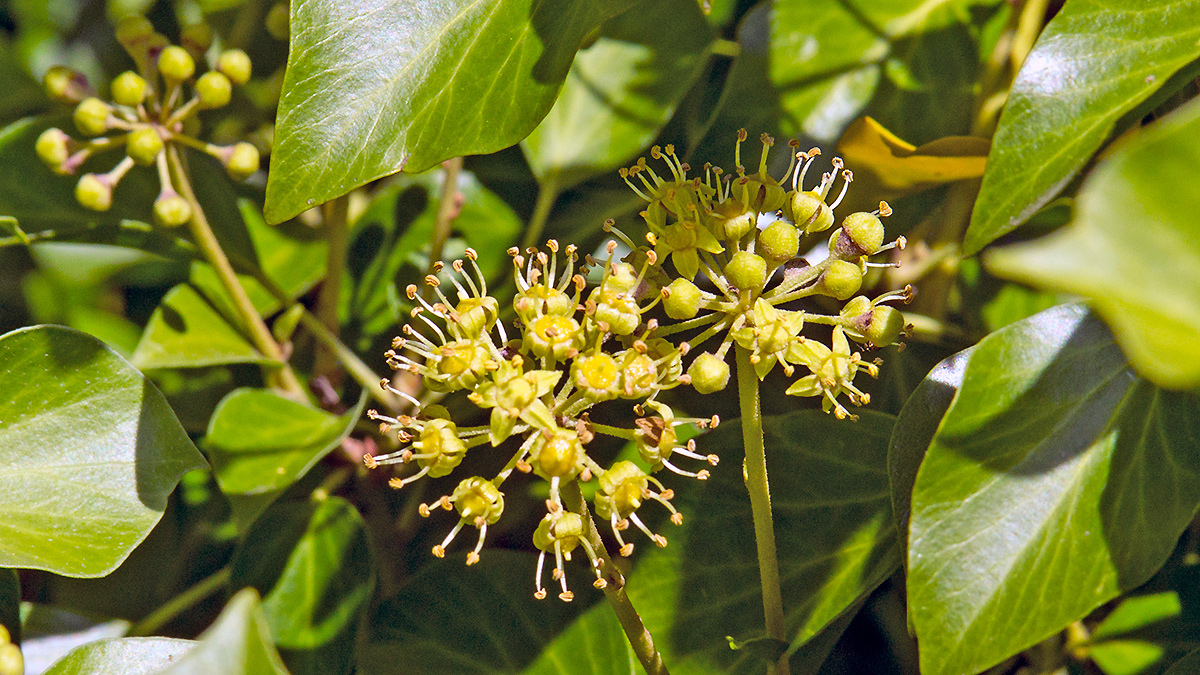
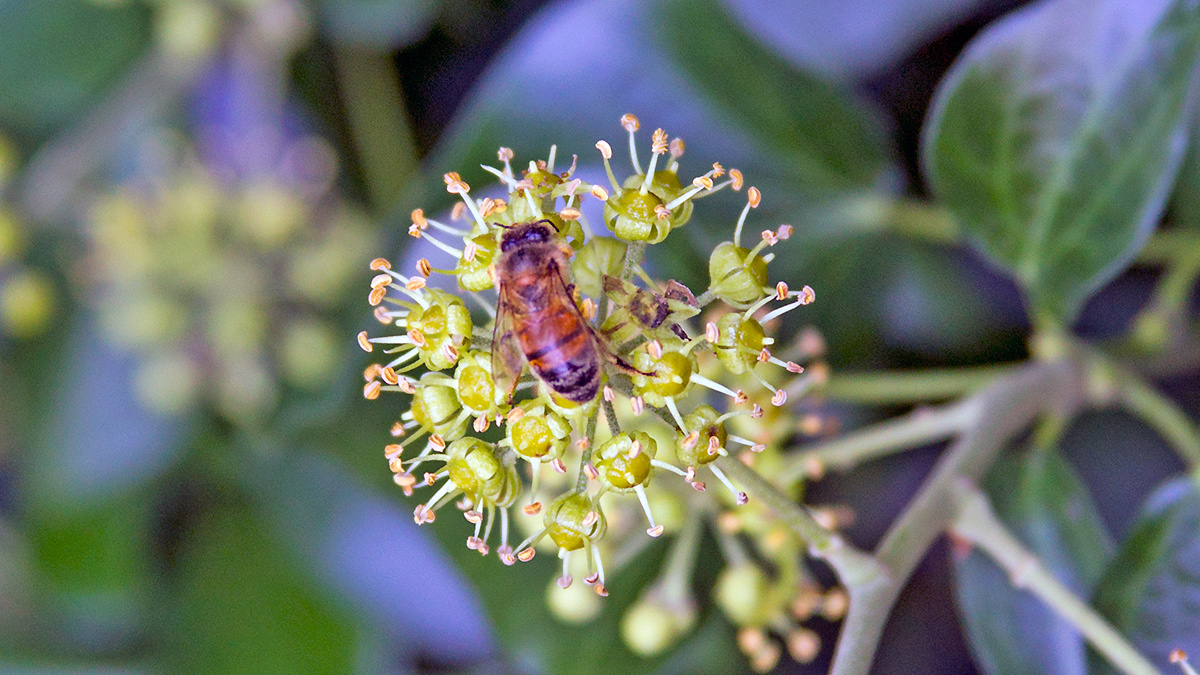
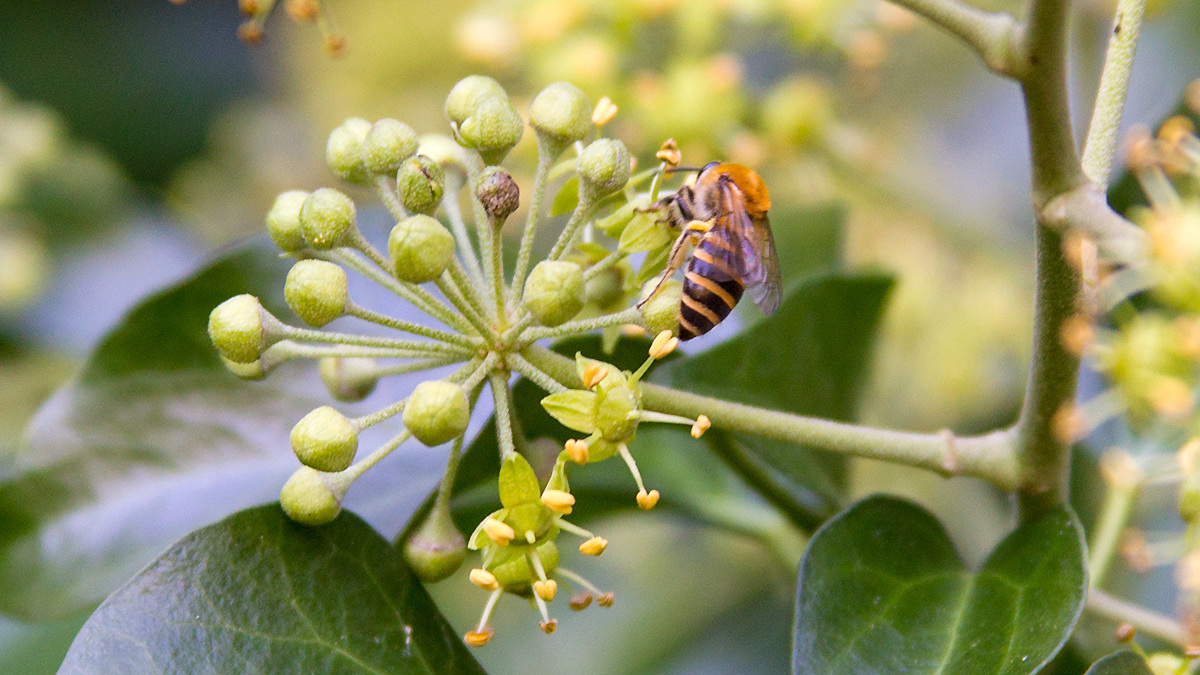
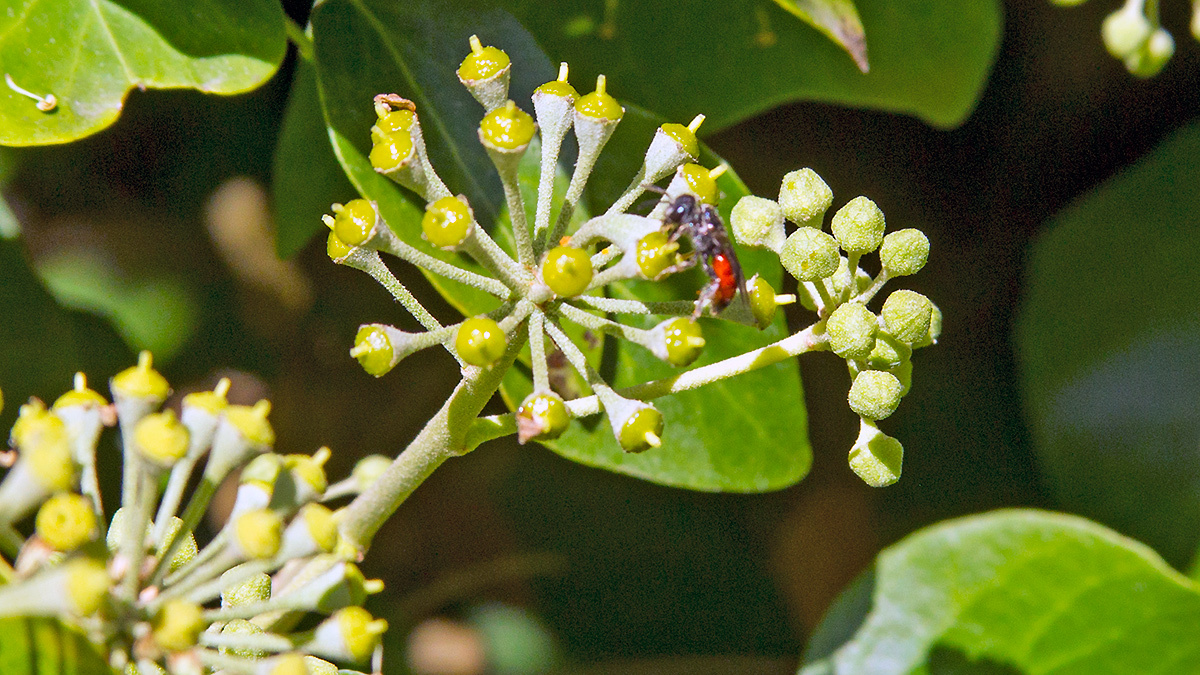
The ivy flowers are starting to open and are attracting a lot of bees and a few Common Wasp, including Western Honey Bee (Apis mellifera), Ivy Bee (Colletes hederae) and one of the small ‘blood bees’, a Sphecodes sp.
Nature Note for the Day
The silk spun by orb-weaver spiders is a marvel of natural engineering, combining extreme tensile strength with great elasticity. Gram for gram, spider silk is stronger than steel and tougher than Kevlar, allowing delicate webs to survive high winds, heavy rain, and the high-speed impacts of flying insects.
The main support threads of a web can withstand an immense amount of pulling force, possessing a tensile strength of roughly 1.1 to 1.3 gigapascals (GPa). For comparison, high-grade structural steel sits around 0.4 to 0.5 GPa.
What makes spider silk unique is its ability to stretch up to 140% of its original length without snapping. This combination of strength and stretch gives it exceptional toughness.
The silk is composed of specialized proteins called ‘spidroins’. Spiders store the silk as a liquid in their glands and mechanically pull it out through their spinnerets, forcing the proteins to align and solidify instantly into a high-performance fibre.
A single orb-weaver can produce up to seven distinct types of silk, dependent upon the protein mix, each for a unique structural purpose. For example, the silk used to construct the web frame and radial spokes has extremely high tensile strength. See this as the ‘skeleton’ of the web. The concentric loops of the web are the most elastic, to absorb insect impacts. Orb-weavers even construct what can be regarded as ‘temporary scaffolding’ when starting to build a web. This must be highly stable with low elasticity. When it comes to wrapping captured prey in silk cocoons, yet another type of silk is used.
As if all of this isn’t amazing enough, spider silk is naturally antimicrobial and bio-resistant, as the spiders coat their silk in a slightly acidic protective layer that prevents bacteria and fungi from breaking down the proteins.
Is it any wonder that scientists are trying to create a synthetic spider silk for medical or military use?
<<<< Previous page | Next Page >>>>