Well, the total butterfly count today was a single Small Copper. We are definitely approaching the end of flight season.
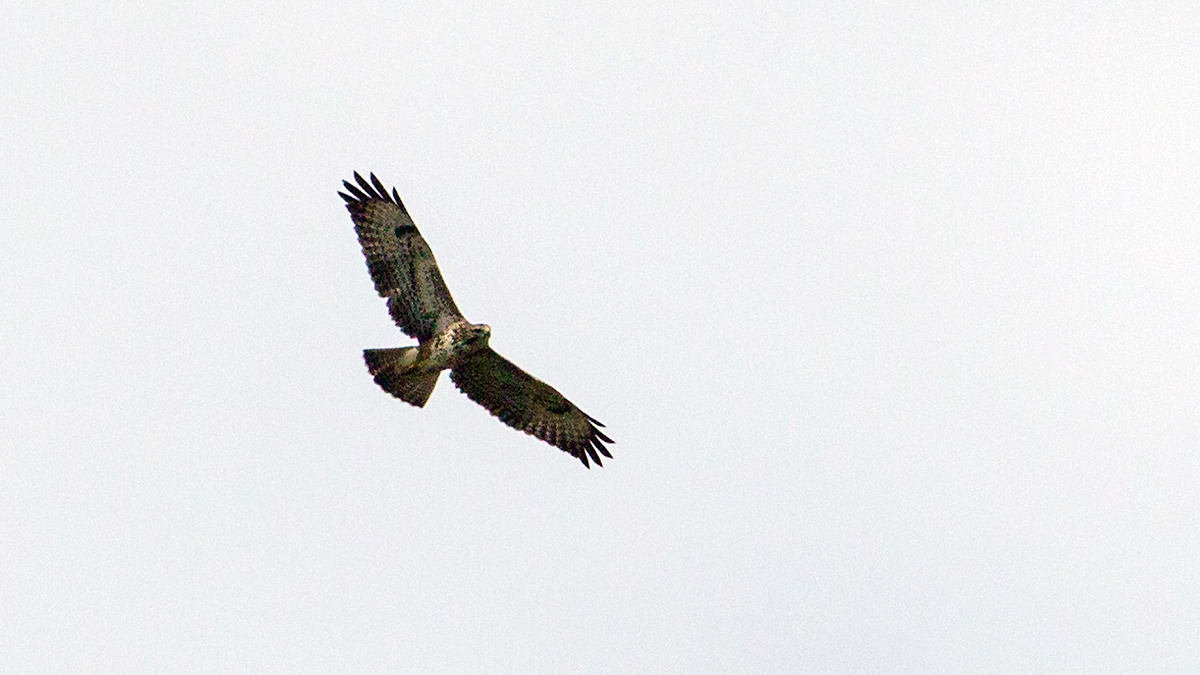
A pair of Common Buzzard (Buteo buteo) circled over the Downs for the entire 2 hours that I spent there. One came low enough to get a (not completely in focus) shot. The markings on the underparts suggest that it is an adult bird.
One small clearing at the northern end of the Downs is still being patrolled by several Common Darter (Sympetrum striolatum) dragonflies.
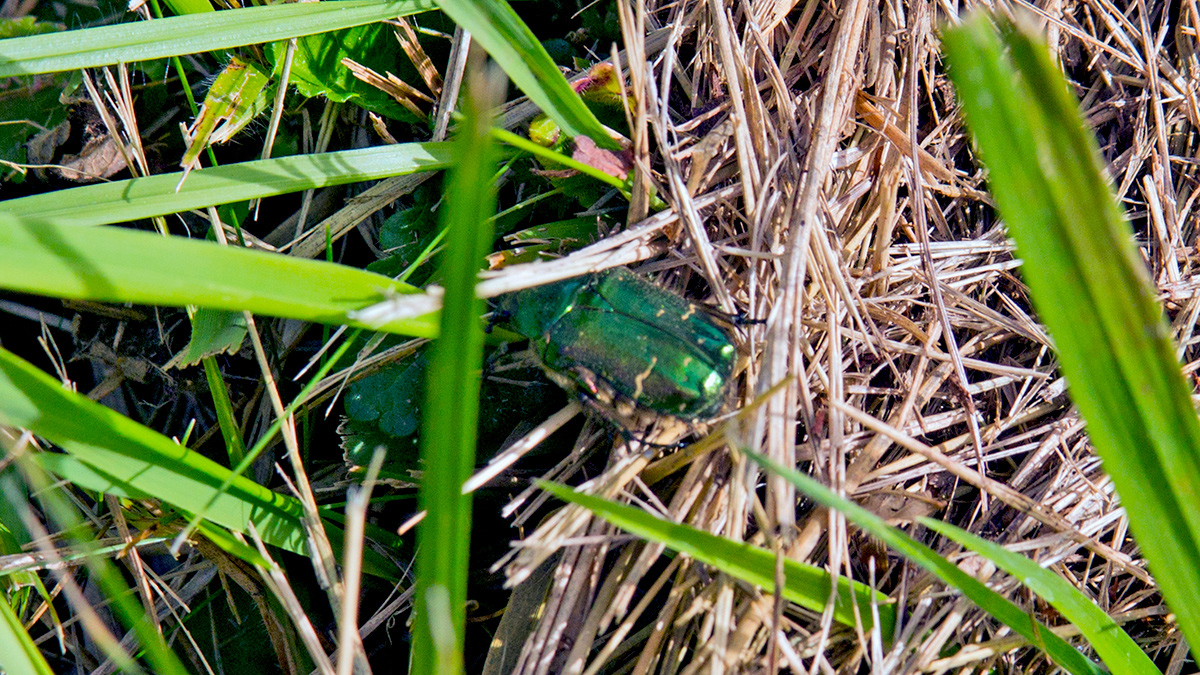
I watched (and heard) a large green beetle buzz past my head and land 10m away on short grass. I got there just in time to take one photo before it worked its way down into the grass and out of sight. The image is good enough to be able to confirm that it was a Rose Chafer (Cetonia aurata).
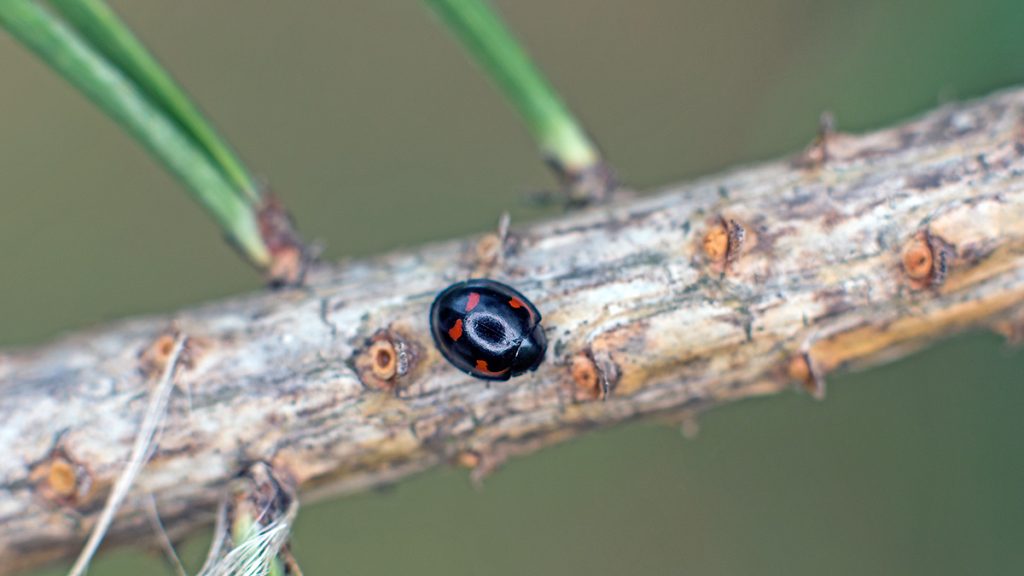
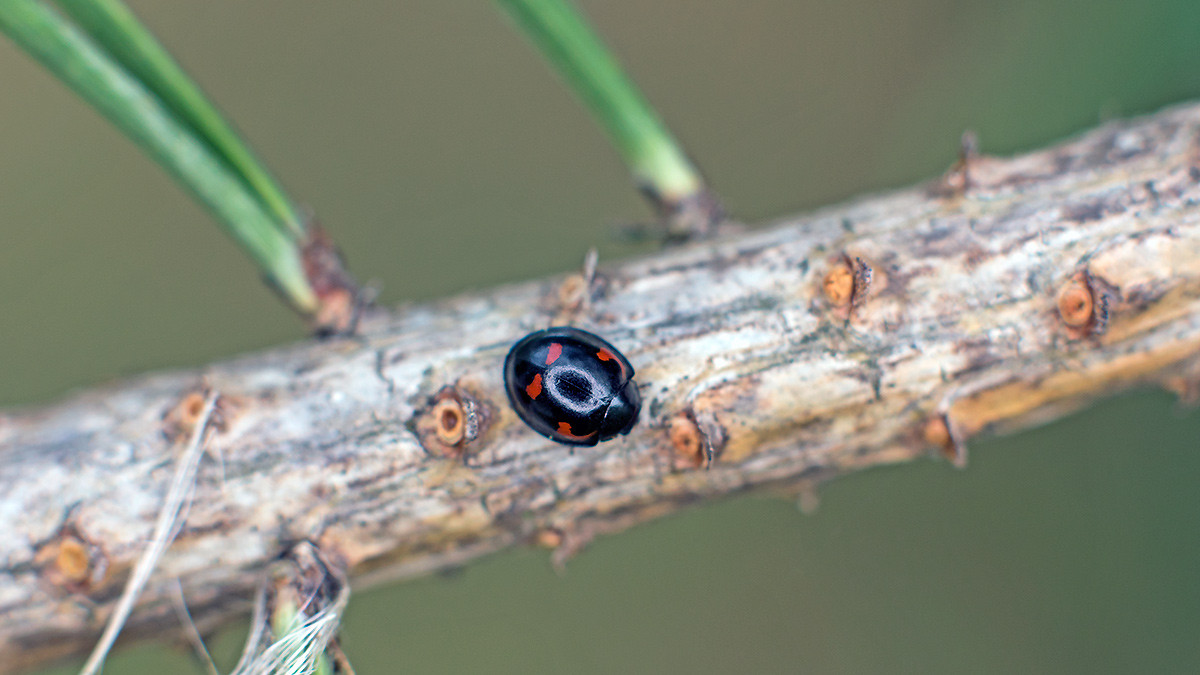
I have seen this ladybird a few times before on various trees that did not fit too well with its name, but today I found a tiny (3-4mm) Pine Ladybird (Exochomus quadripustulatus) on a Scots Pine (Pinus sylvestris) branch.
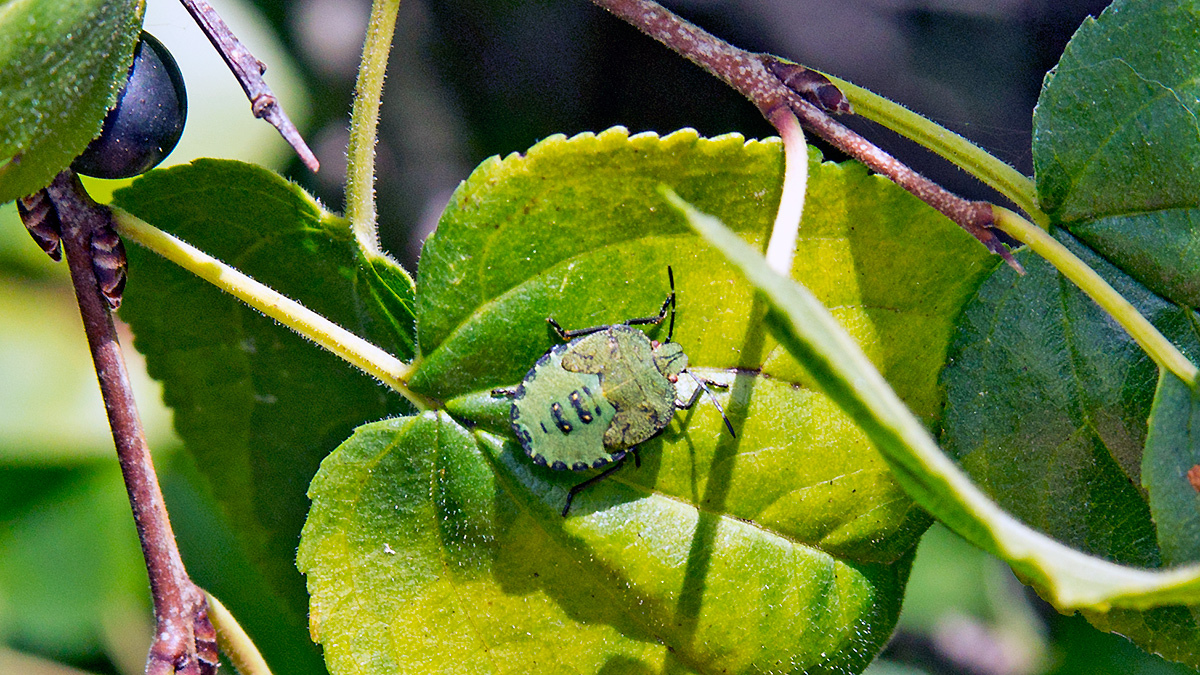
I have recently posted images of a 4th instar nymph and an adult of this shieldbug, and today it was the turn of a final instar nymph of the Green Shieldbug (Palomena prasina), found on a Common Buckthorn (Rhamnus cathartica) leaf.
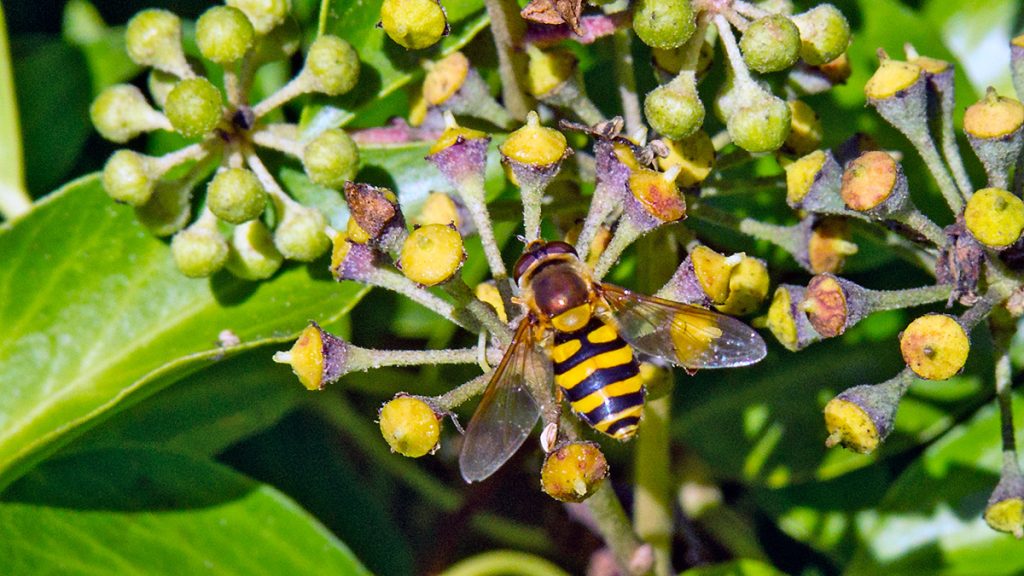
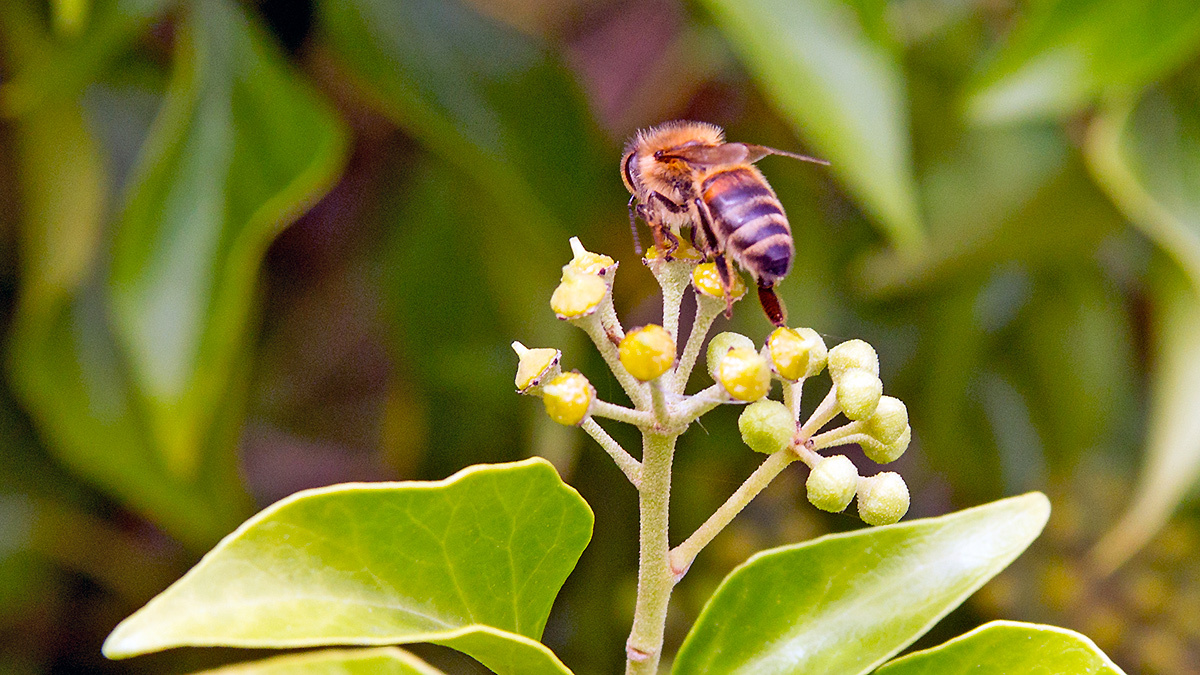
I posted an image on Monday of a cluster of ivy flowers that were not yet open. Today a bee was seen on these flowers, which are still not open. It was not, however, an Ivy Bee but a Western Honey Bee (Apis mellifera).
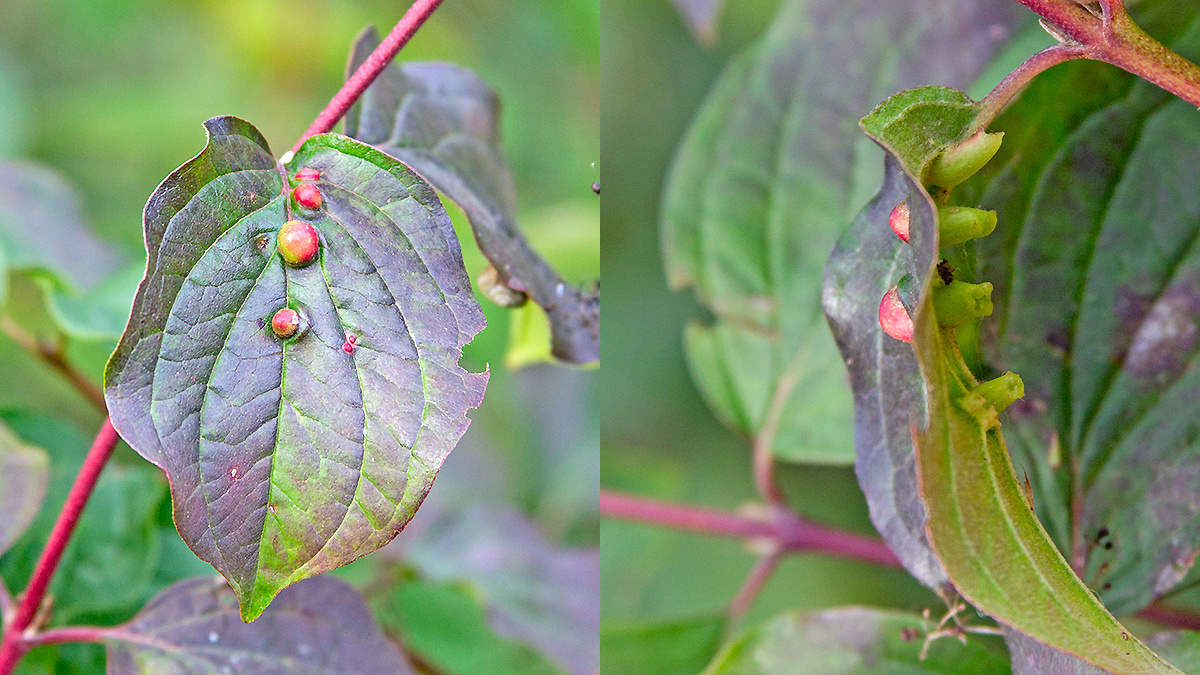
A Common Dogwood (Cornus sanguinea) displayed galls on several of its leaves formed by the larvae of the Dogwood Rivet Midge (Craneiobia corni). Each gall contains a single larva, which feeds on the plant juices and eventually drops to the ground in late autumn to overwinter in the soil.
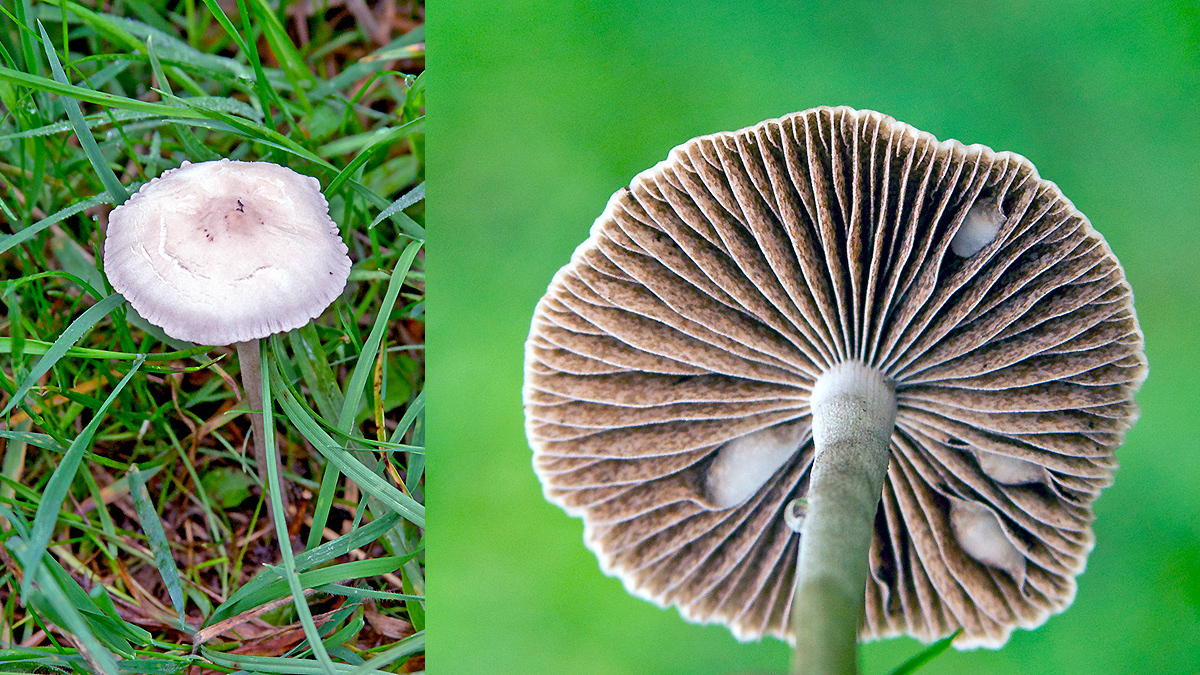
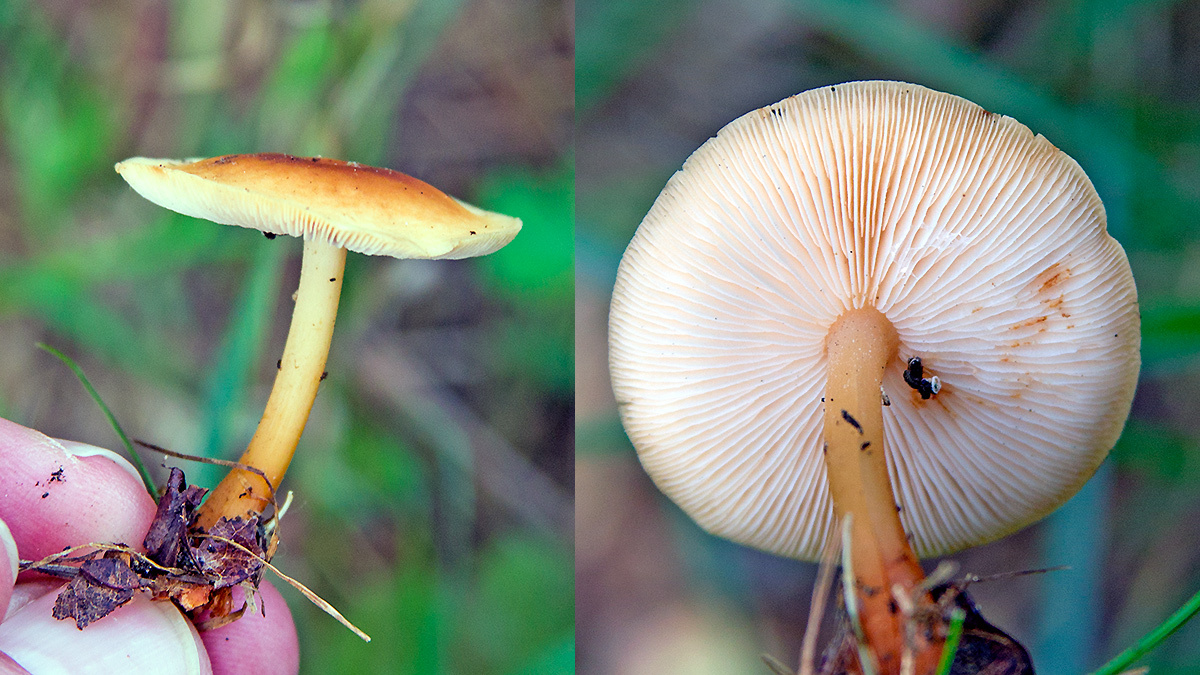
It is that time of year when mushrooms are starting to appear. I found two different ones today, and if you were following my posts a year ago you will know that fungi give me the biggest headache in trying to come up with an ID. The first I believe belongs to the Galeropsidaceae family, the mottlegills, and it may be a Panaeolus sp. The second may belong to the Omphalotaceae family, known as parachutes and toughshanks. I found this one growing in leaf litter, largely comprising oak leaves, so would tentatively suggest that it may be Gymnopus dryophilus, known as Russet Toughshank (or Oak-loving Gymnopus). I may even have the family of these two mushrooms completely wrong. I just enjoy the challenge of trying to find out what they are.
<<<< Previous page | Next Page >>>>