Just like last Friday, there was only one butterfly seen this morning. It was also a Speckled Wood (Pararge aegeria) – the same one?
Also, just like last Friday, despite the warm, sunny weather, there was very little of interest to warrant photos.
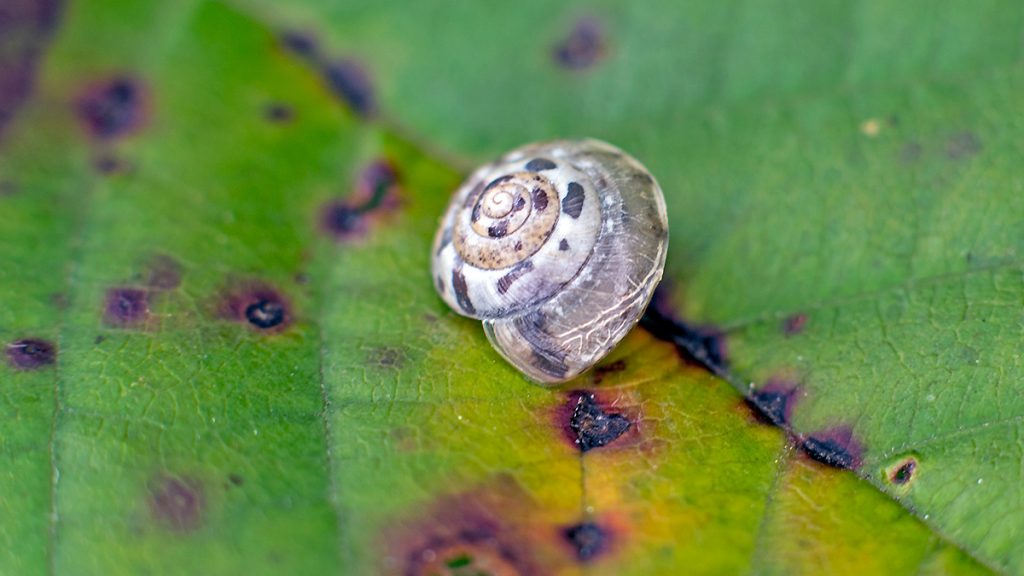
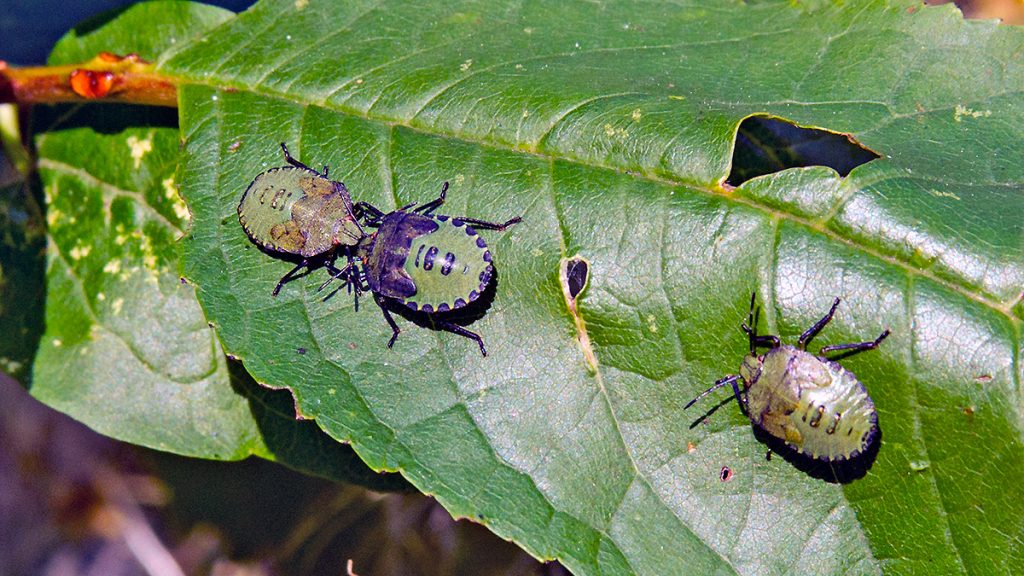
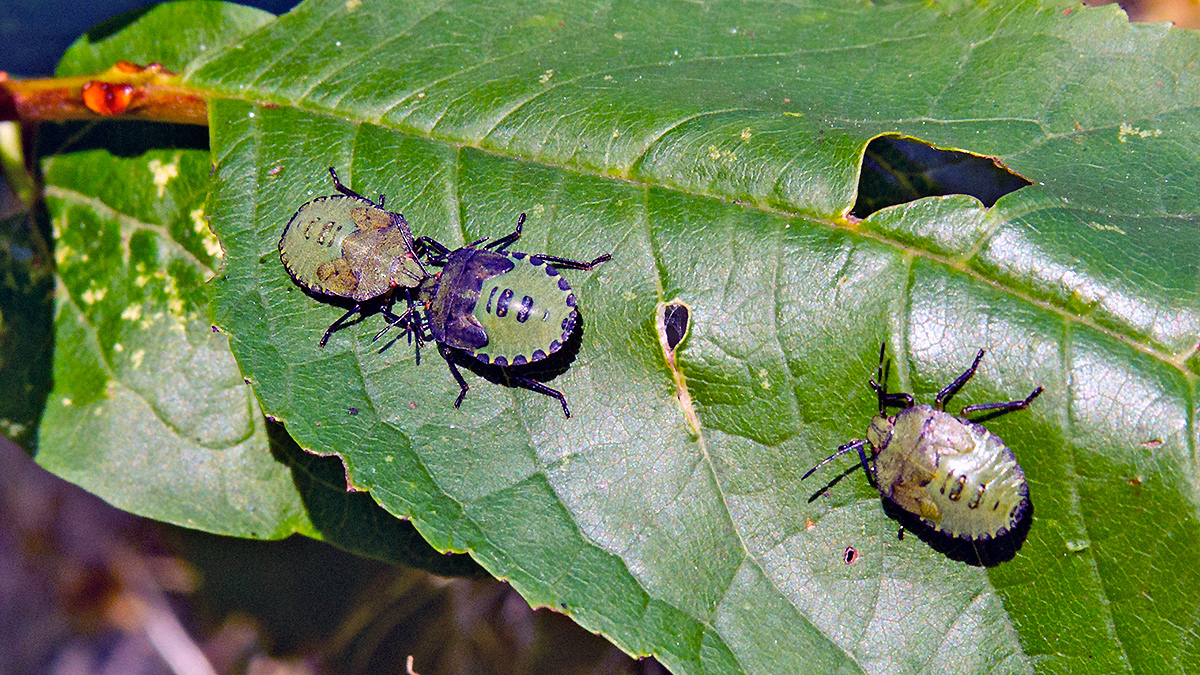
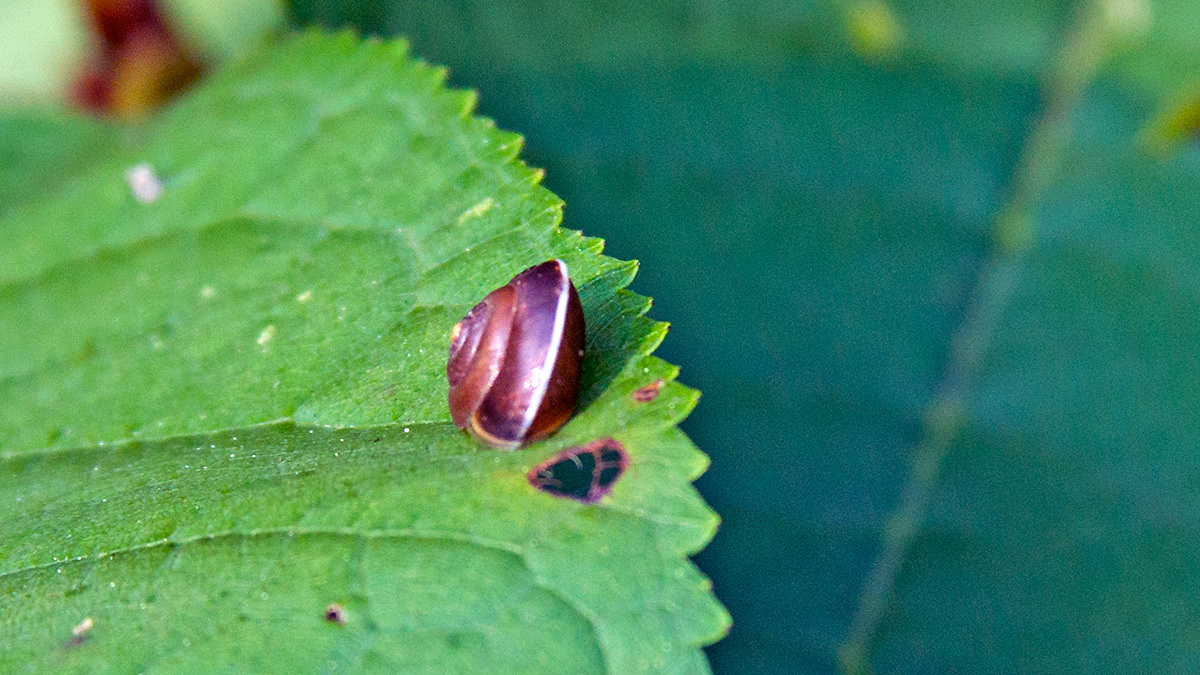
I did make a few exceptions. I found some Green Shieldbug (Palomena prasina) nymphs showing particularly well the two variations in colouring of this shieldbug. On some other leaves of the same tree, I saw several Girdled Snail (Hygromia cinctella).
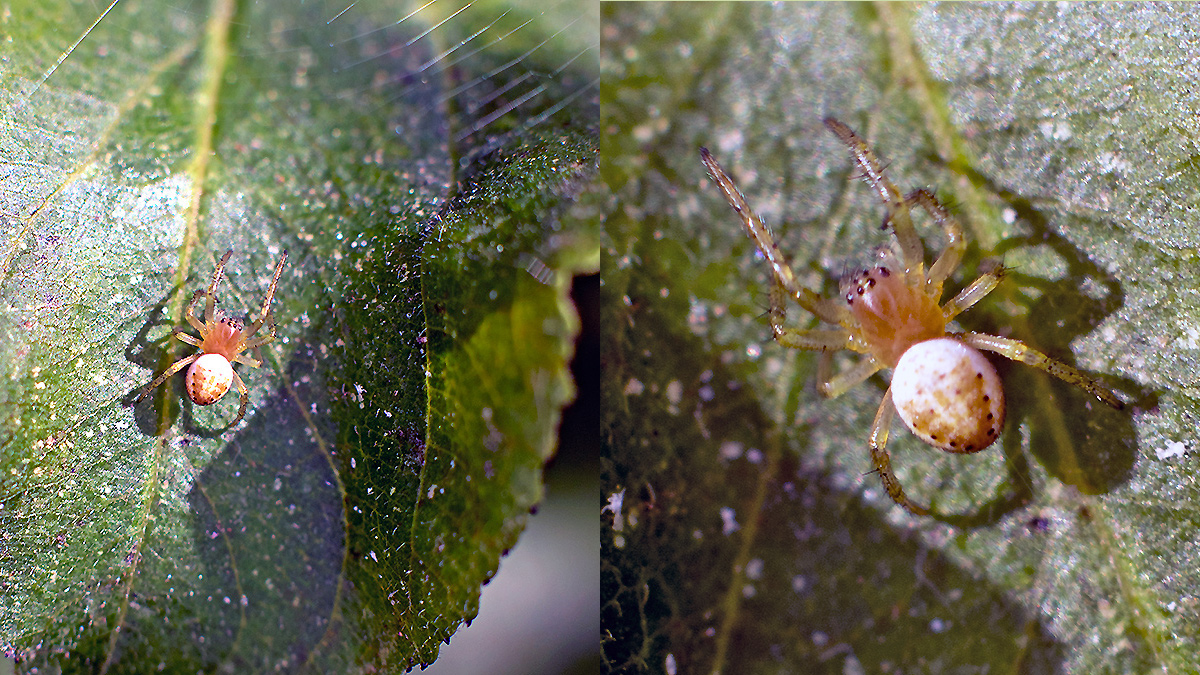
A Common Buckthorn leaf was chosen by a small (5-6mm) Cucumber Green Spider (Araniella cucurbitina) as the site for its web, although it appears not to have caught anything yet. The four twinned pairs of black spots on the abdomen are a good diagnostic feature of this spider. Colour varies greatly, but the spots can usually be seen.
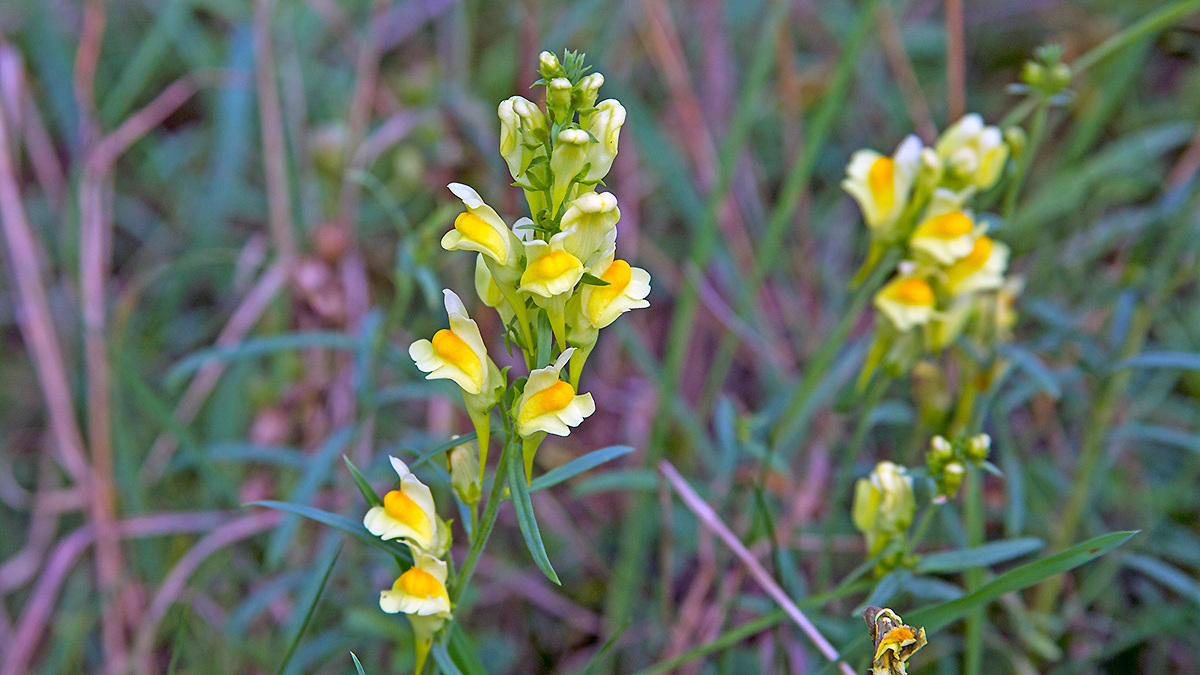
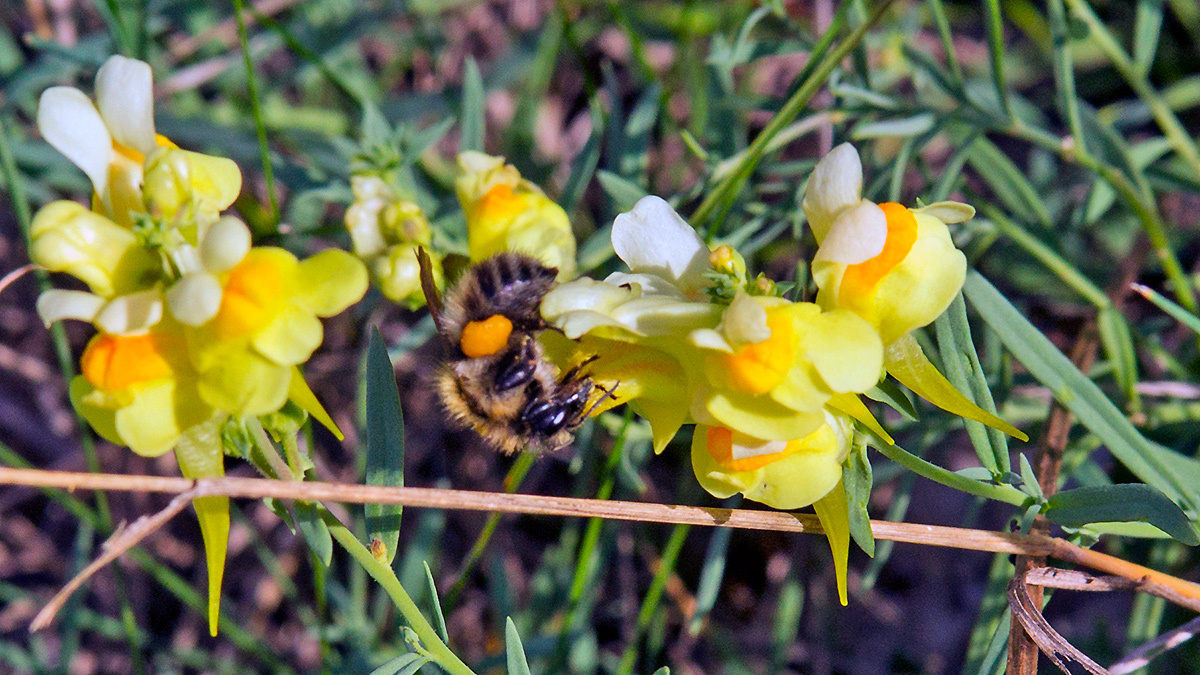
There are several large patches of Common Toadflax (Linaria vulgaris) to be found. This is one of the wildflowers that blooms well into October and provides a good splash of colour. There are only a few primary pollinators for toadflax. The Garden Bumblebee and Common Carder Bee (Bombus pascuorum) possess both the strength required to pry open the heavy lower lip and a tongue long enough to reach down to get to the nectar inside. In the process of drinking nectar they help to pollinate the plant. Some short-tongued bees, however, such as the Honeybee and Buff-tailed Bumblebee lack the tongue length needed to get to the nectar, so they chew a hole at the base of the flower to steal the nectar without pollination. They are referred to as ‘nectar robbers’.
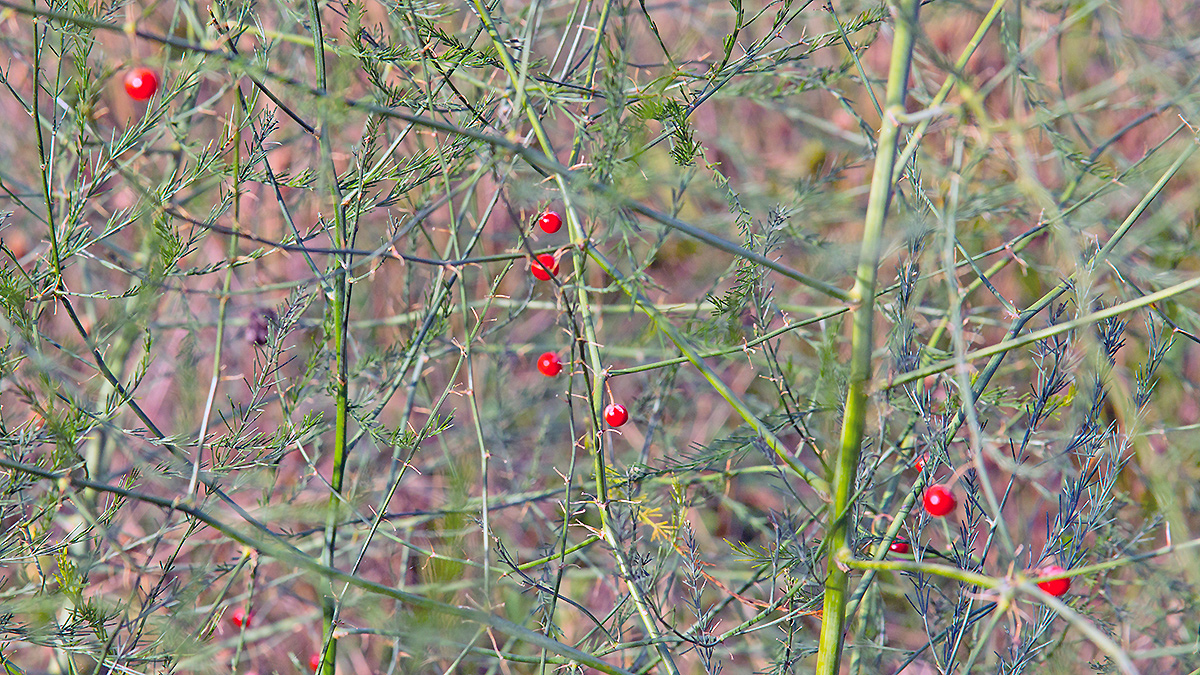
I found a female Garden Asparagus (Asparagus officinalis) plant that has gone to seed, showing off its red berries very well.
<<<< Previous page | Next Page >>>>