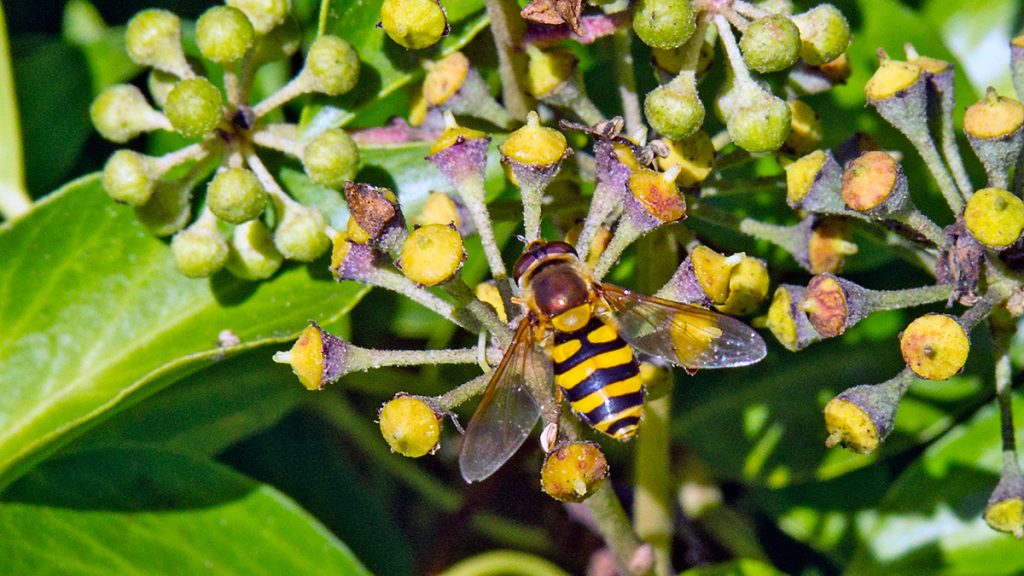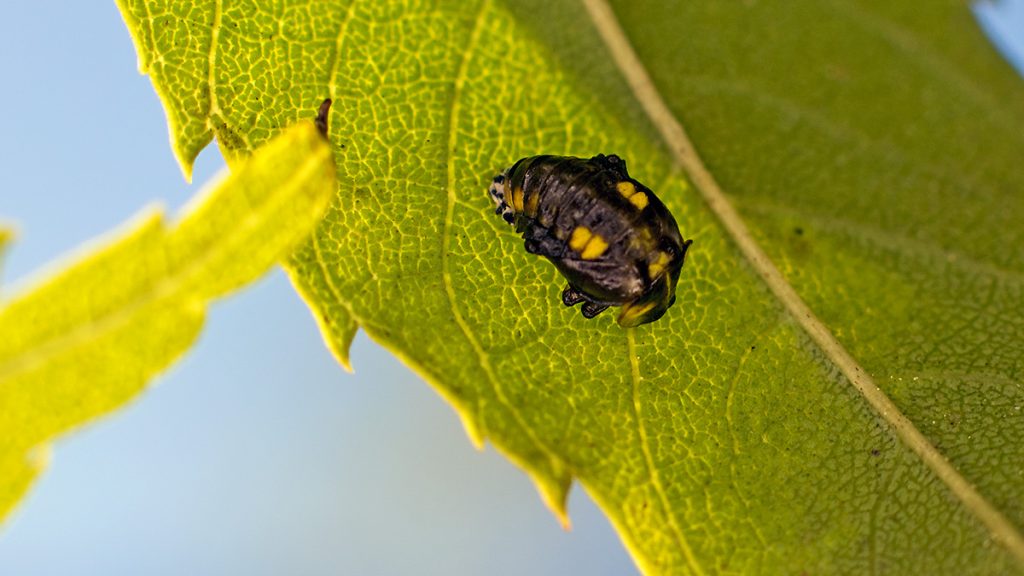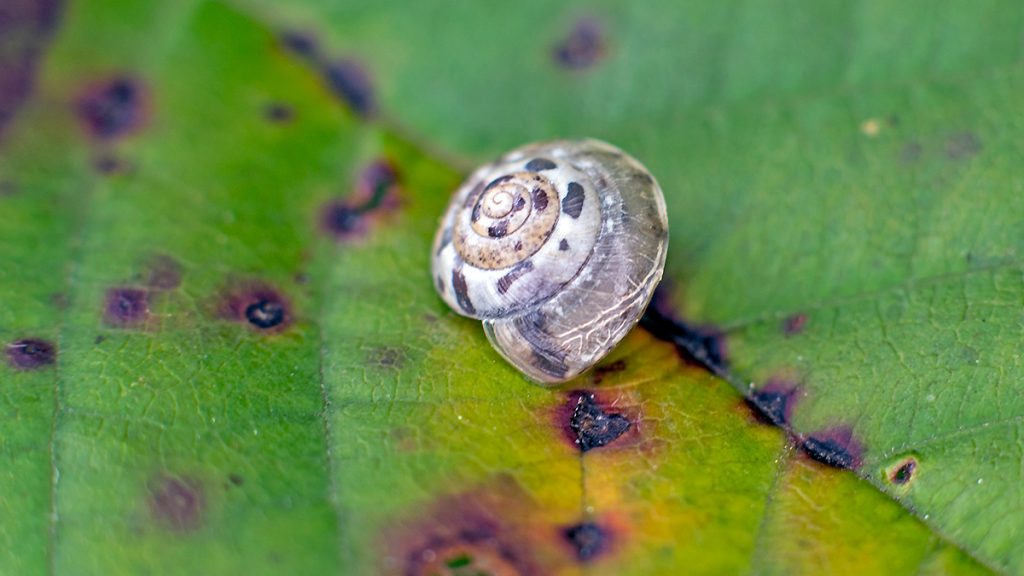
Yet another warm sunny day and hardly a breath of wind. The Brimstone butterflies were out by the dozen, but only a handful of Holly Blue, a pair of Orange Tip, and single Red Admiral and Dingy Skipper (Erynnis tages).
It was a day for beetles. Most of the Garlic Mustard flowers and many of the Dandelion flowers seen were occupied by one or the other of the two species of Raspberry Beetle. There has been an exponential rise in the numbers of Common Click Beetle to be seen. These three beetles have already been recorded this year, but a further four species were added today, a soldier beetle (Cantharis flavilabris), Swollen-thighed Beetle (Oedemera nobilis), Bean Seed Beetle (Bruchidius villosus) and Red-tipped Flower Beetle (Malachius bipustulatus).
![Swollen-thighed Beetle [Oedemera nobilis]](https://downsdiary.uk/wp-content/gallery/may_2026/BD2_4398_7D_TheDowns_02May2026.jpg "Swollen-thighed Beetle [Oedemera nobilis]")
![Bean Seed Beetle [Bruchidius villosus]](https://downsdiary.uk/wp-content/gallery/may_2026/BD2_4413_7D_TheDowns_02May2026.jpg "Bean Seed Beetle [Bruchidius villosus]")
![Red-tipped Flower Beetle [Malachius bipustulatus]](https://downsdiary.uk/wp-content/gallery/may_2026/BD2_4428-34_7D_TheDowns_02May2026.jpg "Red-tipped Flower Beetle [Malachius bipustulatus]")
![soldier beetle [Cantharis flavilabris]](https://downsdiary.uk/wp-content/gallery/may_2026/NG8_7869_EOS-1D_Downs_02May2026.jpg "soldier beetle [Cantharis flavilabris]")
The Hymenoptera were represented today by Buff-tailed Bumblebee (Bombus terrestris), Common Furrow Bee (Lasioglossum calceatum), a possible Braconid wasp (Cotesia sp.?), the solitary wasp Common Ectemnius (Ectemnius continuus) and a Privet Sawfly (Macrophya punctumalbum).
![Buff-tailed Bumblebee [Bombus terrestris]](https://downsdiary.uk/wp-content/gallery/may_2026/NG8_7861-2_EOS-1D_Downs_02May2026.jpg "Buff-tailed Bumblebee [Bombus terrestris]")
![Common Furrow Bee [Lasioglossum calceatum]](https://downsdiary.uk/wp-content/gallery/may_2026/BD2_4442-3_7D_TheDowns_02May2026.jpg "Common Furrow Bee [Lasioglossum calceatum]")
![Braconid wasp [Cotesia sp.?]](https://downsdiary.uk/wp-content/gallery/may_2026/BD2_4406_7D_TheDowns_02May2026.jpg "Braconid wasp [Cotesia sp.?]")
![Common Ectemnius [Ectemnius continuus]](https://downsdiary.uk/wp-content/gallery/may_2026/NG8_7874_EOS-1D_Downs_02May2026.jpg "Common Ectemnius [Ectemnius continuus]")
![Privet Sawfly [Macrophya punctumalbum]](https://downsdiary.uk/wp-content/gallery/may_2026/BD2_4450-1_7D_TheDowns_02May2026.jpg "Privet Sawfly [Macrophya punctumalbum]")
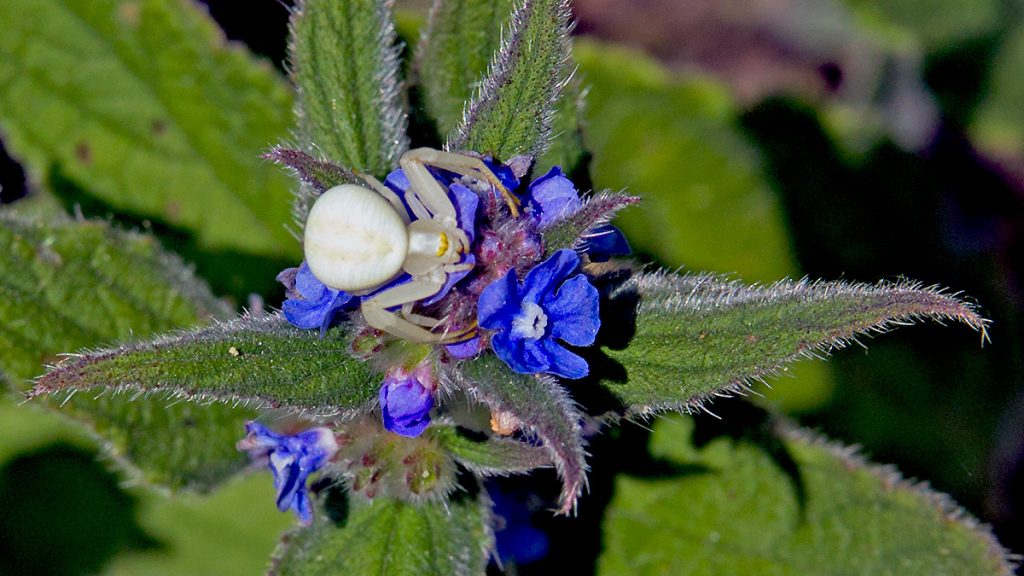
I did not concentrate as much on the sycamore and oak trees today, rather sticking to areas thick with hogweed, cow parsley and brambles, picking up a variety of different insects and spiders. These included the caterpillars of The Satellite (Eupsilia transversa) and Tufted Oak Roller (Psoricoptera gibbosella) moths, adult and late instar nymphs of the Striped Oak Bug (Rhabdomiris striatellus), Cinnamon Bug (Corizus hyoscyami), a mating pair of Spotted Cranefly (Nephrotoma appendiculata), Common Oak Aphid (Tuberculatus annulatus), Flower Crab Spider (Misumena vatia), a Xysticus sp. crab spider and a first stage nymph of the Speckled Bush-cricket (Leptophytes punctatissima). There are a lot of the Bush-cricket nymphs about, but they are very skittish, scuttling into the deep undergrowth at the slightest movement, so a photo eluded me.
![The Satellite [Eupsilia transversa]](https://downsdiary.uk/wp-content/gallery/may_2026/NG8_7882_EOS-1D_Downs_02May2026.jpg "The Satellite [Eupsilia transversa]")
![Tufted Oak Roller [Psoricoptera gibbosella]](https://downsdiary.uk/wp-content/gallery/may_2026/BD2_4461_7D_TheDowns_02May2026.jpg "Tufted Oak Roller [Psoricoptera gibbosella]")
![Striped Oak Bug [Rhabdomiris striatellus]](https://downsdiary.uk/wp-content/gallery/may_2026/NG8_7900_EOS-1D_Downs_02May2026.jpg "Striped Oak Bug [Rhabdomiris striatellus]")
![Speckled Bush-cricket [Leptophyes punctatissima]](https://downsdiary.uk/wp-content/gallery/may_2025/NG8_0026_EOS-1D_TheDowns_16May2025.jpg "Speckled Bush-cricket [Leptophyes punctatissima]")
![Cinnamon Bug [Corizus hyoscyami]](https://downsdiary.uk/wp-content/gallery/may_2026/BD2_4430-NG8_7918_7D_TheDowns_02May2026.jpg "Cinnamon Bug [Corizus hyoscyami]")
![Cinnamon Bug [Corizus hyoscyami]](https://downsdiary.uk/wp-content/gallery/may_2026/380A4329_7D_Belmont_01May2026.jpg "Cinnamon Bug [Corizus hyoscyami]")
![Spotted Cranefly [Nephrotoma appendiculata]](https://downsdiary.uk/wp-content/gallery/may_2026/NG8_7917_EOS-1D_Downs_02May2026.jpg "Spotted Cranefly [Nephrotoma appendiculata]")
![Flower Crab Spider [Misumena vatia]](https://downsdiary.uk/wp-content/gallery/may_2026/NG8_7906_EOS-1D_Downs_02May2026.jpg "Flower Crab Spider [Misumena vatia]")
![crab spider [Xysticus sp.]](https://downsdiary.uk/wp-content/gallery/may_2026/BD2_4404_7D_TheDowns_02May2026.jpg "crab spider [Xysticus sp.]")
![Striped Oak Bug [Rhabdomiris striatellus]](https://downsdiary.uk/wp-content/gallery/may_2026/BD2_4338_7D_TheDowns_02May2026.jpg "Striped Oak Bug [Rhabdomiris striatellus]")
New wildflowers are White Bryony (Bryonia dioica) and Wood Avens (Geum urbanum).
![White Bryony [Bryonia dioica]](https://downsdiary.uk/wp-content/gallery/may_2026/NG8_7926-BD2_4448_EOS-1D_Downs_02May2026.jpg "White Bryony [Bryonia dioica]")
![Wood Avens [Geum urbanum]](https://downsdiary.uk/wp-content/gallery/may_2026/NG8_7937-BD2_4471_EOS-1D_Downs_02May2026.jpg "Wood Avens [Geum urbanum]")
<<<< Previous page | Next Page >>>>