Having seen my first Birch Catkin Bug (Kleidocerys resedae) of the year just 4 days ago I came across a cluster (what is the collective noun for a group of Birch Catkin Bugs?) of them this morning, again on a bramble. Found on leaf litter was a female wolf spider (family Lycosidae), possibly the species Pardosa amentata, while on a rotting fallen tree trunk I found several Common Shiny Woodlouse (Oniscus asellus).
An English Yew (Taxus baccata) turned up several galls of the Yew Gall Midge (Taxomyia taxi), which lays its eggs in terminal leaf buds, causing them to swell and cluster with neighbouring leaves into the distinctive artichoke-like galls. This yew is a male tree showing the early stages of development of the small male flower buds, which will develop fully next spring.
![Birch Catkin Bug [Kleidocerys resedae]](https://downsdiary.uk/wp-content/gallery/nov_2025/NG8_5053_EOS-1D_TheDowns_05Nov2025.jpg "Birch Catkin Bug [Kleidocerys resedae]")
![wolf spider [Pardosa saltans?]](https://downsdiary.uk/wp-content/gallery/nov_2025/NG8_5022_EOS-1D_TheDowns_05Nov2025.jpg "wolf spider [Pardosa saltans?]")
![Common Shiny Woodlouse [Oniscus asellus]](https://downsdiary.uk/wp-content/gallery/nov_2025/NG8_5049_EOS-1D_TheDowns_05Nov2025.jpg "Common Shiny Woodlouse [Oniscus asellus]")
![Yew Gall Midge [Taxomyia taxi]](https://downsdiary.uk/wp-content/gallery/nov_2025/NG8_5041_EOS-1D_TheDowns_05Nov2025.jpg "Yew Gall Midge [Taxomyia taxi]")
![English Yew [Taxus baccata]](https://downsdiary.uk/wp-content/gallery/nov_2025/NG8_5036_EOS-1D_TheDowns_05Nov2025.jpg "English Yew [Taxus baccata]")
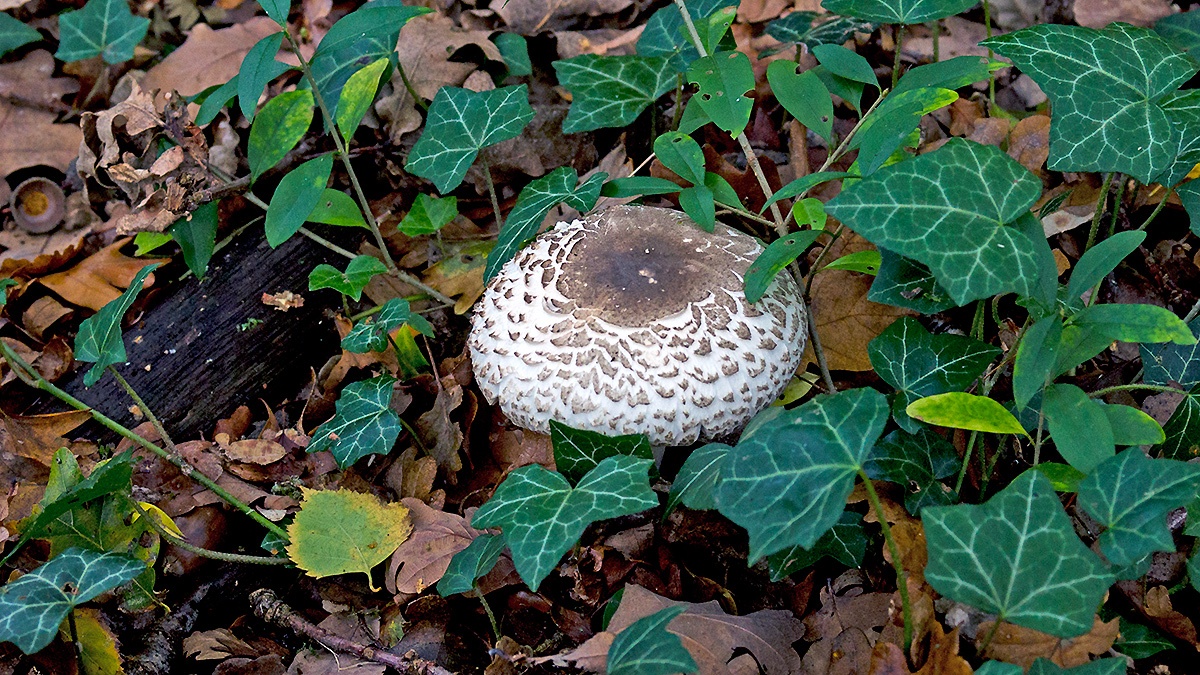
Some fungi, lichens and moss interested me enough to take some photos, but I make no attempt to properly identify them.
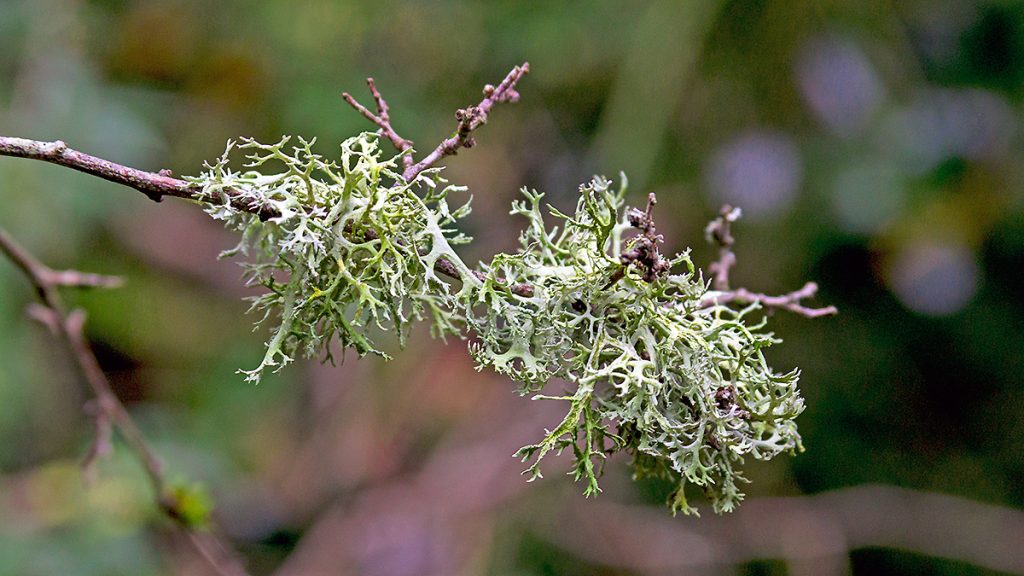
[Update: 11 Dec 2025 – the lichen in one of the images is most likely Oakmoss (Evernia prunastri)].
![mushroom [unidentified]](https://downsdiary.uk/wp-content/gallery/nov_2025/NG8_5017_EOS-1D_TheDowns_05Nov2025.jpg "mushroom [unidentified]")
![moss [unidentified]](https://downsdiary.uk/wp-content/gallery/nov_2025/NG8_5030_EOS-1D_TheDowns_05Nov2025.jpg "moss [unidentified]")
![Oakmoss [Evernia prunastri]](https://downsdiary.uk/wp-content/gallery/nov_2025/NG8_5026_EOS-1D_TheDowns_05Nov2025.jpg "Oakmoss [Evernia prunastri]")
Nature note for the day
You may think woodlice are insects, but they are actually terrestrial Crustaceans making them more closely related to crabs and lobsters than they are to insects. Forget all the terminology you use for the body parts of insects, like thorax and abdomen, woodlice have a pereon and pleon. Their life cycle does begin with an egg and the young do go through several moults increasing in size to full adult like many insects, but the life cycle is not seasonal and the adult life span is not ephemeral with adult woodlice living for 2 or 3 years.
There are 5 common woodlice in the UK. Learn more about their anatomy and life cycle in a well-illustrated and very readable article here.
<<<< Previous page | Next Page >>>>