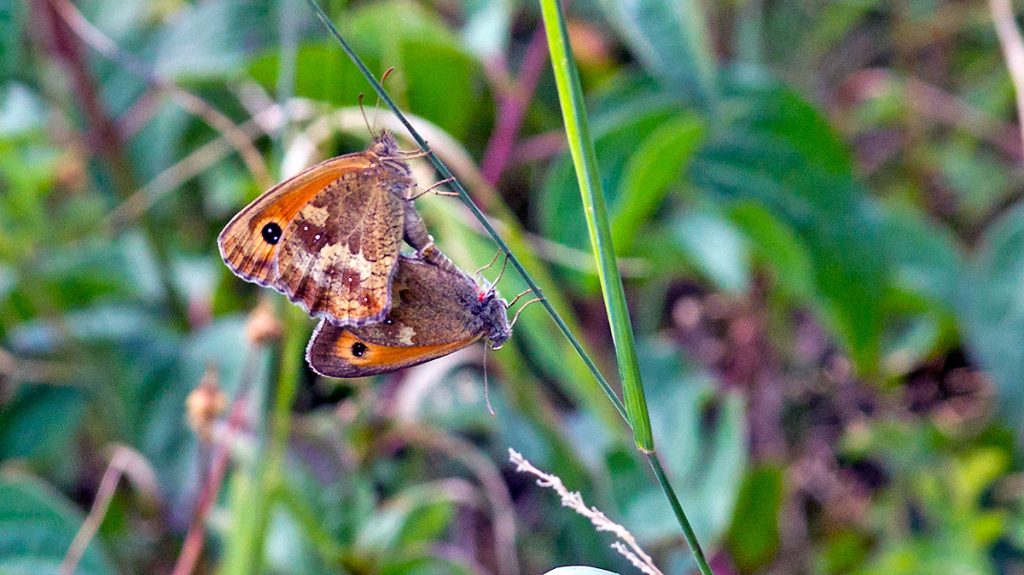
It is still the most prominent butterfly and today I found the female of a mating pair of Gatekeeper (Pyronia tithonus) carrying a parasitic Trombidium breei mite.
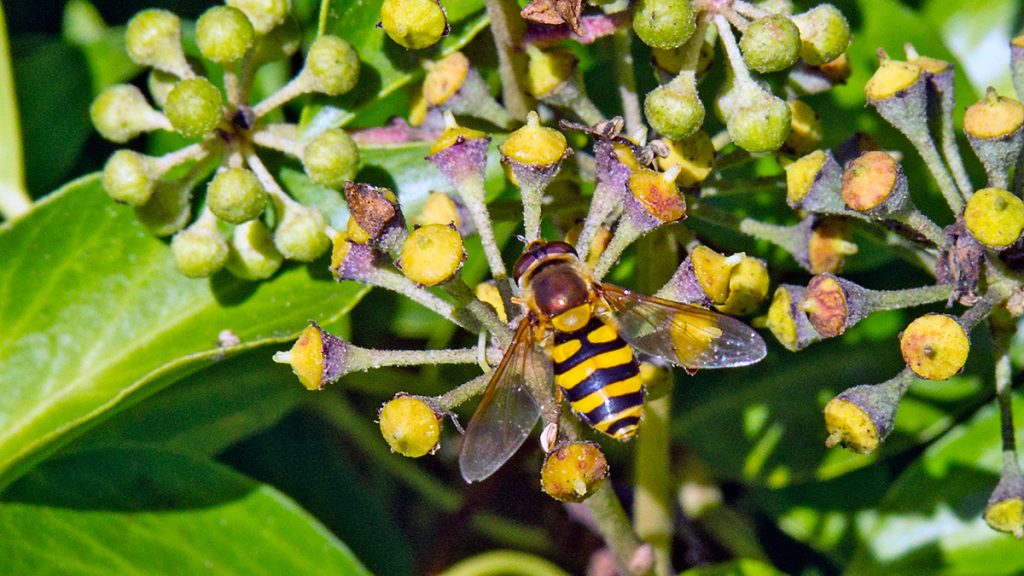
A new insect added was the Lesser Hornet Hoverfly (Volucella inanis).
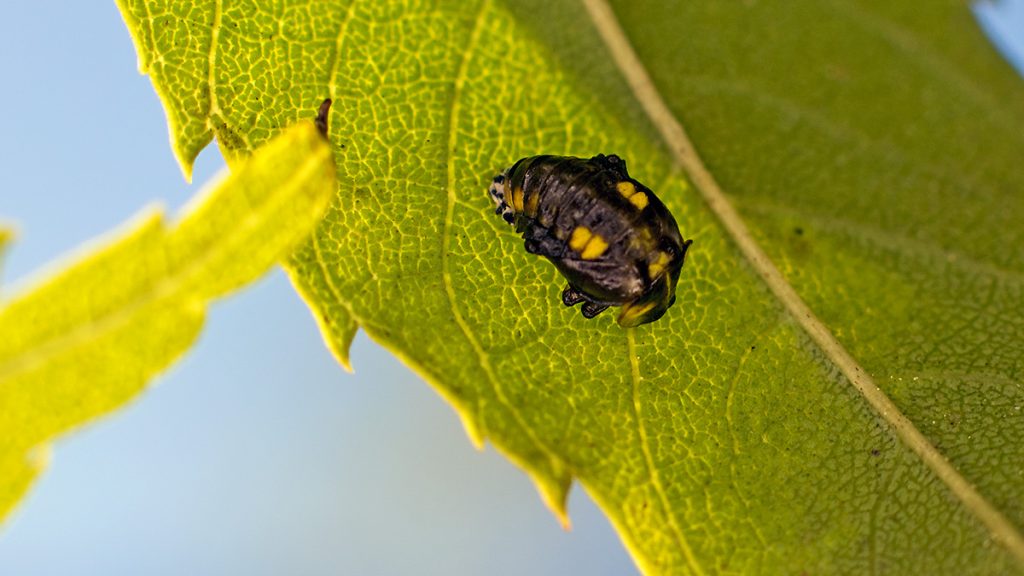
On 3rd May I posted an image of a Currant Gall caused by the Common Spangle Gall Wasp (Neuroterus quercusbaccarum). Today I found the other type of gall caused by this wasp, the Spangle Gall.
I had never seen a shrew before this morning, so it was a pity that my first photo was of a dead Common Shrew (Sorex araneus) in the middle of one of the woodland paths.
Latest wildflower to start showing is Red Bartsia (Odontites vernus).
![Gatekeeper [Pyronia tithonus britanniae]](https://downsdiary.uk/wp-content/gallery/july_2025/NG8_2346_EOS-1D_TheDowns_16Jul2025.jpg "Gatekeeper [Pyronia tithonus britanniae]")
![Lesser Hornet Hoverfly [Volucella inanis]](https://downsdiary.uk/wp-content/gallery/july_2025/NG8_2372_EOS-1D_TheDowns_16Jul2025.jpg "Lesser Hornet Hoverfly [Volucella inanis]")
![Common Spangle Gall Wasp [Neuroterus quercusbaccarum]](https://downsdiary.uk/wp-content/gallery/july_2025/JO8V0510_EOS-1D_TheDowns_16Jul2025.jpg "Common Spangle Gall Wasp [Neuroterus quercusbaccarum]")
![Common Shrew [Sorex araneus]](https://downsdiary.uk/wp-content/gallery/july_2025/NG8_2390_EOS-1D_TheDowns_16Jul2025.jpg "Common Shrew [Sorex araneus]")
![Red Bartsia [Odontites vernus]](https://downsdiary.uk/wp-content/gallery/july_2025/NG8_2375_EOS-1D_TheDowns_16Jul2025.jpg "Red Bartsia [Odontites vernus]")
Nature note for the day
The parasitic Trombidium breei red mite usually attaches itself to the thorax, base of the wing or upper leg of the host butterfly and feeds on its bodily fluid, known as hemolymph. The most usually targeted host butterfly species are all common on the Downs – Gatekeeper, Meadow Brown, Marbled White, Common Blue and Small Skipper.
![Gatekeeper [Pyronia tithonus britanniae]](https://downsdiary.uk/wp-content/gallery/july_2025/4A_0023_EOS-1D_BansteadCommon_21Jul2015.jpg "Gatekeeper [Pyronia tithonus britanniae]")
![Meadow Brown [Maniola jurtina insularis]](https://downsdiary.uk/wp-content/gallery/july_2025/IMG_8681_60D_BansteadDowns_10Aug2021.jpg "Meadow Brown [Maniola jurtina insularis]")
<<<< Previous page | Next Page >>>>