The Cuckoo has gone silent (or maybe just gone).
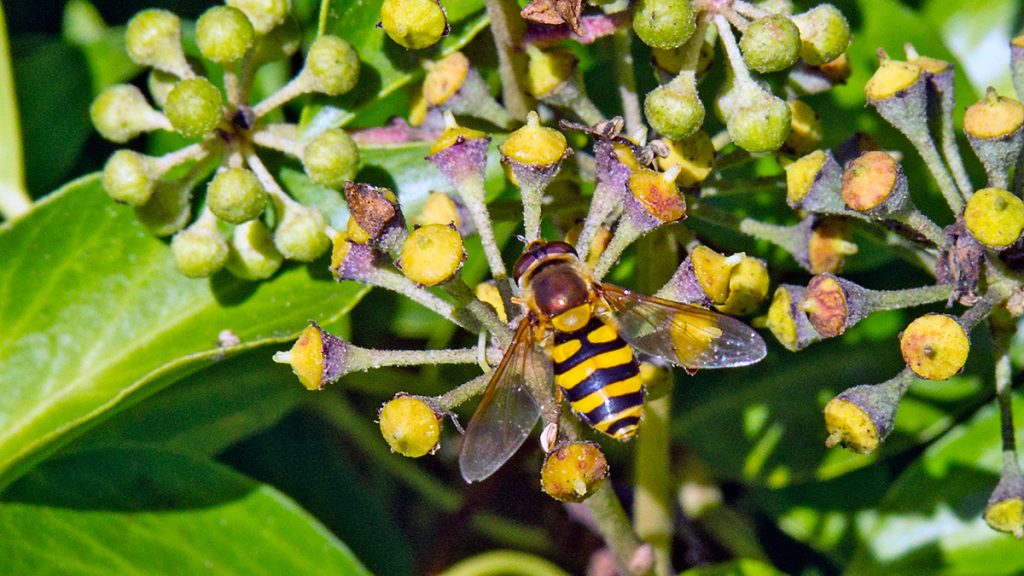
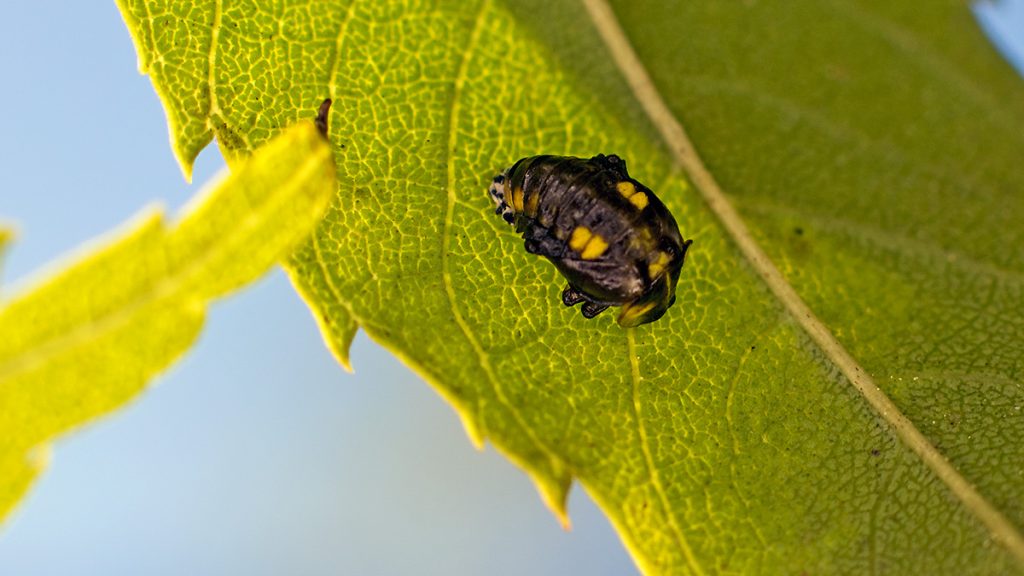
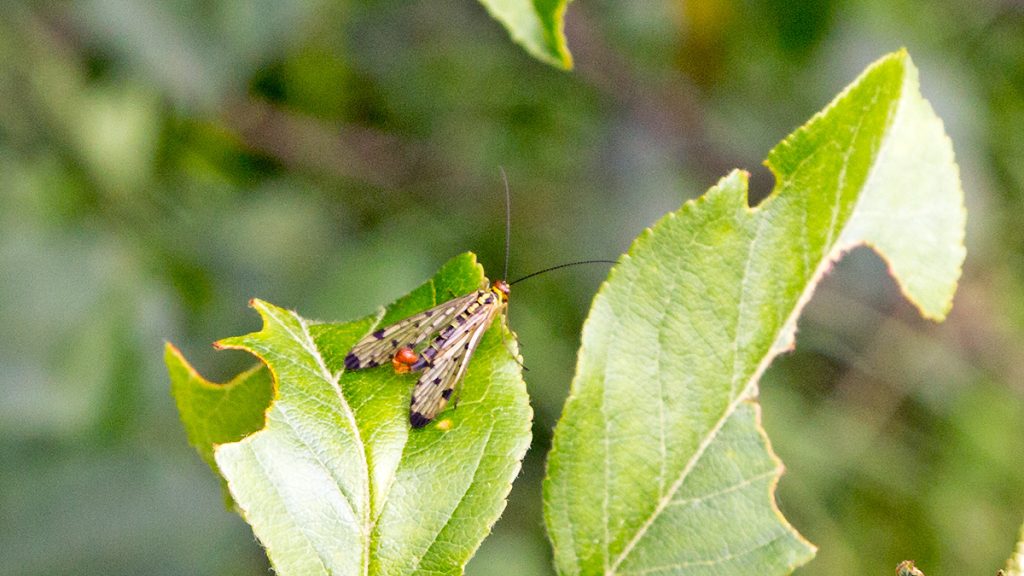
Batman Hoverfly (Myathropa florea) was out in large numbers today and new insects were a jewel beetle, the Oak Borer (Agrilus angustulus) and having first seen it at Warnham Nature Reserve 9 days ago I have now recorded Scorpion Fly (Panorpa communis) on the Downs.
![Death's Head Fly (or Batman Hoverfly) [Myathropa florea]](https://downsdiary.uk/wp-content/gallery/may_2025/NG8_0359_EOS-1D_TheDowns_22May2025.jpg "Death's Head Fly (or Batman Hoverfly) [Myathropa florea]")
![Oak Borer [Agrilus angustulus]](https://downsdiary.uk/wp-content/gallery/may_2025/NG8_0368_EOS-1D_TheDowns_22May2025.jpg "Oak Borer [Agrilus angustulus]")
![Common Scorpionfly [Panorpa communis]](https://downsdiary.uk/wp-content/gallery/may_2025/IMG_1090_60D_TheDowns_22May2025.jpg "Common Scorpionfly [Panorpa communis]")
Latest wildflower is Yellow Rattle (Rhinanthus minor) and the European Black Elderberry (Sambucus nigra) is starting to blossom.
![Yellow Rattle [Rhinanthus minor]](https://downsdiary.uk/wp-content/gallery/may_2025/IMG_2638_60D_BansteadCommon_26Jun2016.jpg "Yellow Rattle [Rhinanthus minor]")
![Yellow Rattle [Rhinanthus minor]](https://downsdiary.uk/wp-content/gallery/may_2025/4A_5592_EOS-1D_BansteadCommon_11Jun2015.jpg "Yellow Rattle [Rhinanthus minor]")
![European Black Elderberry [Sambucus nigra]](https://downsdiary.uk/wp-content/gallery/may_2025/220525_100419_SM-A326B_TheDowns_22May2025.jpg "European Black Elderberry [Sambucus nigra]")
Nature note for the day
Yellow Rattle is a semi-parasite. It is what is called a facultative parasite, which means that it doesn’t have to be parasitic to survive. If it grows without parasitising other plants it is usually a rather stunted plant. However, where it grows in areas rich in its preferred host plants such as grasses (especially ryegrasses and fescues) and legumes (e.g. vetches, trefoils and clovers) Yellow Rattle’s modified roots (the fancy term is ‘haustoria’) penetrate the roots of the host plants and draw nutrients and moisture from them. Of course this reduces growth in the host plants, but the Yellow Rattle flourishes and other wildflowers in the system have more growing room too.
In this way Yellow Rattle helps Banstead Downs maintain its diverse wildflowers in the chalk grassland by suppressing growth of the grasses in particular.
<<<< Previous page | Next Page >>>>