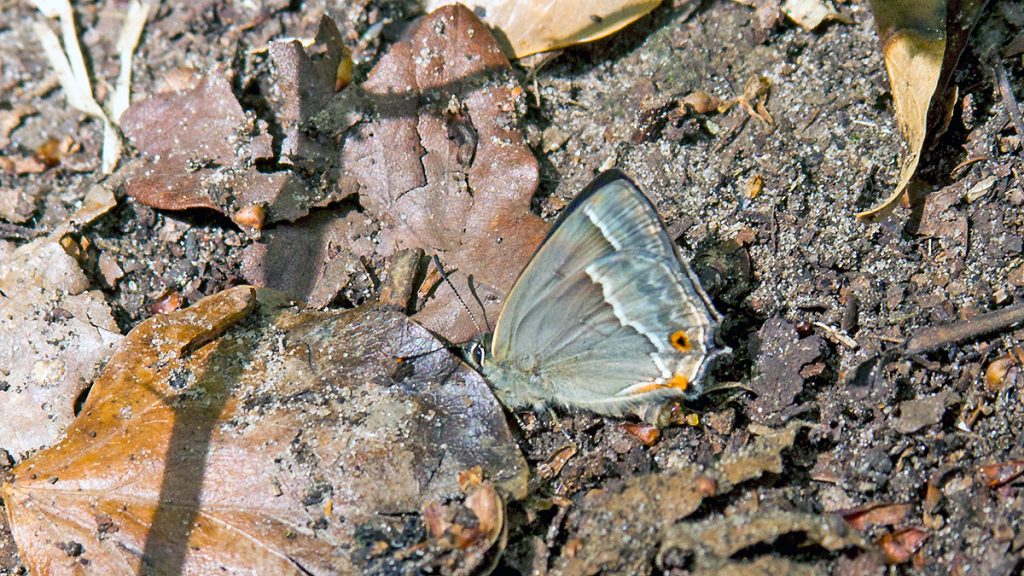
The butterflies are back, in such large numbers that I counted species today, not individual butterflies. Meadow Brown and Marbled White are the most numerous, with dozens of each. Other species noted were Speckled Wood, Common Blue, Brown Argus, Small Blue, Small Heath, Red Admiral, Large Skipper, Small Skipper (Thymelicus sylvestris), my first Dark Green Fritillary (Speyeria aglaja) of the season as well as my first Purple Hairstreak (Favonius quercus), for a total of 12 different species.
As well as adult butterflies I also found a tangle of brambles, nettles and bindweed seething with dozens of fearsome-looking Peacock butterfly (Aglais io) caterpillars. It is the nettle that is their primary food plant. The rows of spikes along their bodies are real spines, not just hairs, and are the longest spines on any UK nymphalid caterpillar. Unlike many other hairy caterpillars their spikes and hairs are not stinging or venomous.
On the same patch of brambles, but safely away from the caterpillars, I came across my first ever Azure Damselfly (Coenagrion puella) on Banstead Downs, which is only the third species of Odonata seen here.
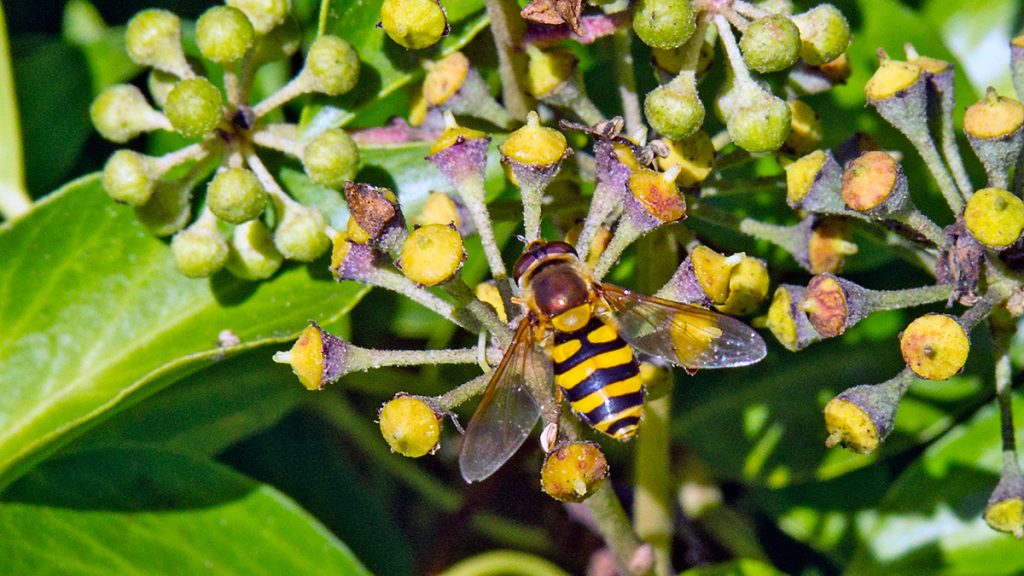
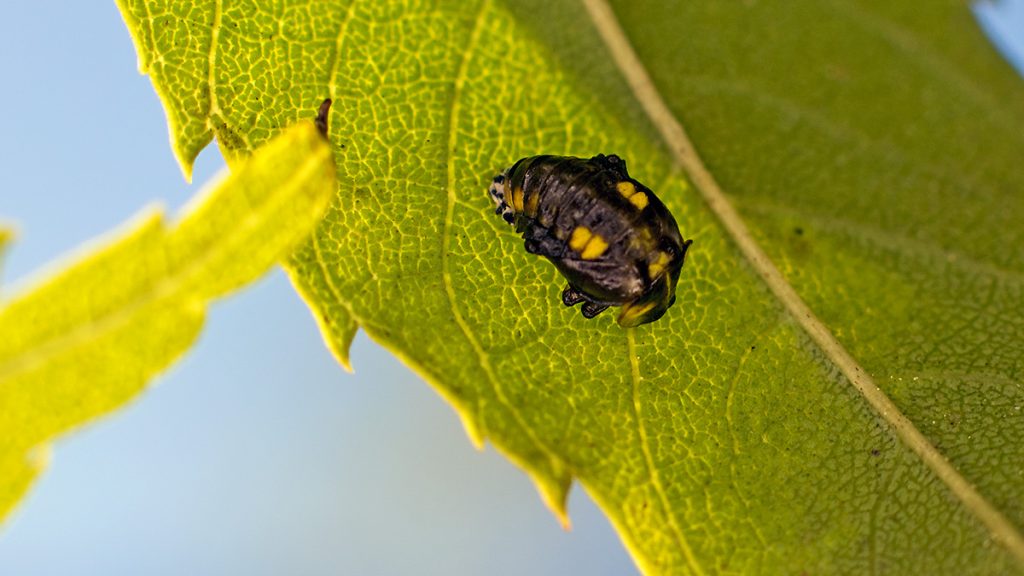
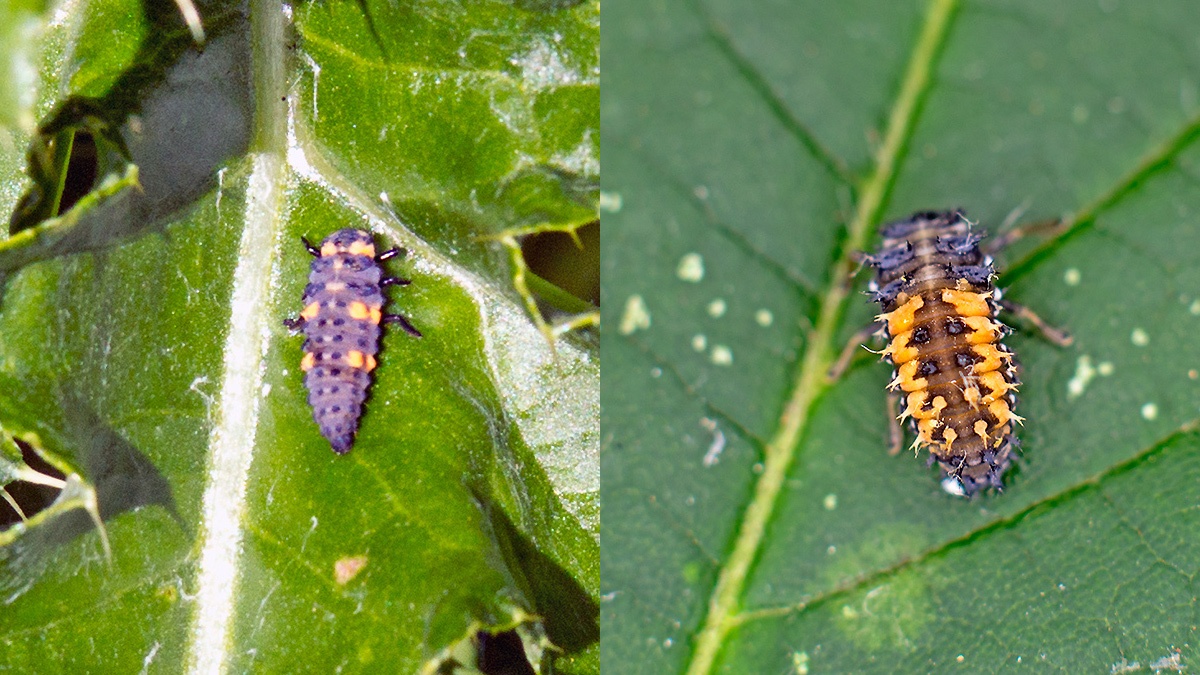
I photographed the larvae of both Seven-spot Ladybird (Coccinella septempunctata) and Harlequin Ladybird (Harmonia axyridis), as well as a Common Green Tenthredo (Tenthredo mesomela) sawfly, an ichneumon wasp (possibly Alomya debellator), a final stage Speckled Bush-Cricket (Leptophyes punctatissima) nymph and a tumbling flower beetle (Variimorda villosa).
![Small Skipper [Thymelicus sylvestris]](https://downsdiary.uk/wp-content/gallery/jun_2026/NG8_9477_EOS-1D_TheDowns_13Jun2026.jpg "Small Skipper [Thymelicus sylvestris]")
![Dark Green Fritillary [Speyeria aglaja]](https://downsdiary.uk/wp-content/gallery/jun_2026/NG8_9486-90_EOS-1D_TheDowns_13Jun2026.jpg "Dark Green Fritillary [Speyeria aglaja]")
![Purple Hairstreak [Favonius quercus]](https://downsdiary.uk/wp-content/gallery/jun_2026/NG8_9589_EOS-1D_TheDowns_13Jun2026.jpg "Purple Hairstreak [Favonius quercus]")
![Peacock [Aglais io]](https://downsdiary.uk/wp-content/gallery/jun_2026/NG8_9508_EOS-1D_TheDowns_13Jun2026.jpg "Peacock [Aglais io]")
![Peacock [Aglais io]](https://downsdiary.uk/wp-content/gallery/jun_2026/BD2_5994_7D_TheDowns_13Jun2026.jpg "Peacock [Aglais io]")
![Azure Damselfly [Coenagrion puella]](https://downsdiary.uk/wp-content/gallery/jun_2026/NG8_9524_EOS-1D_TheDowns_13Jun2026.jpg "Azure Damselfly [Coenagrion puella]")
![Common Green Tenthredo [Tenthredo mesomela]](https://downsdiary.uk/wp-content/gallery/jun_2026/NG8_9532_EOS-1D_TheDowns_13Jun2026.jpg "Common Green Tenthredo [Tenthredo mesomela]")
![ichneumon wasp [Alomya debellator?]](https://downsdiary.uk/wp-content/gallery/jun_2026/NG8_9558_EOS-1D_TheDowns_13Jun2026.jpg "ichneumon wasp [Alomya debellator?]")
![Speckled Bush-Cricket [Leptophyes punctatissima]](https://downsdiary.uk/wp-content/gallery/jun_2026/NG8_9565_EOS-1D_TheDowns_13Jun2026.jpg "Speckled Bush-Cricket [Leptophyes punctatissima]")
![tumbling flower beetle [Variimorda villosa]](https://downsdiary.uk/wp-content/gallery/jun_2026/BD2_6011-NG8_9558b_EOS-1D_TheDowns_13Jun2026.jpg "tumbling flower beetle [Variimorda villosa]")
On the plant front, Spindle (Euonymus europaeus) is now starting a new flush of leaves to replace those stripped by the Spindle Ermine Moth (Yponomeuta cagnagella) caterpillars, while Field Bindweed (Convolvulus arvensis) is starting to flower.
Pineappleweed (Matricaria discoidea), also known as Wild Chamomile, is displaying its flower heads. These are not flowers in the true sense. Looking like daisies with their petals removed they are capitula (single: capitulum), composite flower heads consisting of multiple tightly-packed flowers.
Timothy grass (Phleum pratense) has reached the stage of growth when the anthers are about to emerge from the inflorescence (a cluster of flowers) prior to fertilisation. Those of us who suffer from hay fever will be acutely aware of when this has happened, as Timothy is one of the most significant causes of hay fever, due to production of a potent pollen containing highly allergenic proteins.
![Spindle [Euonymus europaeus]](https://downsdiary.uk/wp-content/gallery/jun_2026/NG8_9542_EOS-1D_TheDowns_13Jun2026.jpg "Spindle [Euonymus europaeus]")
![Field Bindweed [Convolvulus arvensis]](https://downsdiary.uk/wp-content/gallery/jun_2026/NG8_9479_EOS-1D_TheDowns_13Jun2026.jpg "Field Bindweed [Convolvulus arvensis]")
![Pineappleweed [Matricaria discoidea]](https://downsdiary.uk/wp-content/gallery/jun_2026/NG8_9492_EOS-1D_TheDowns_13Jun2026.jpg "Pineappleweed [Matricaria discoidea]")
![Timothy grass [Phleum pratense]](https://downsdiary.uk/wp-content/gallery/jun_2026/NG8_9546_EOS-1D_TheDowns_13Jun2026.jpg "Timothy grass [Phleum pratense]")
<<<< Previous page | Next Page >>>>