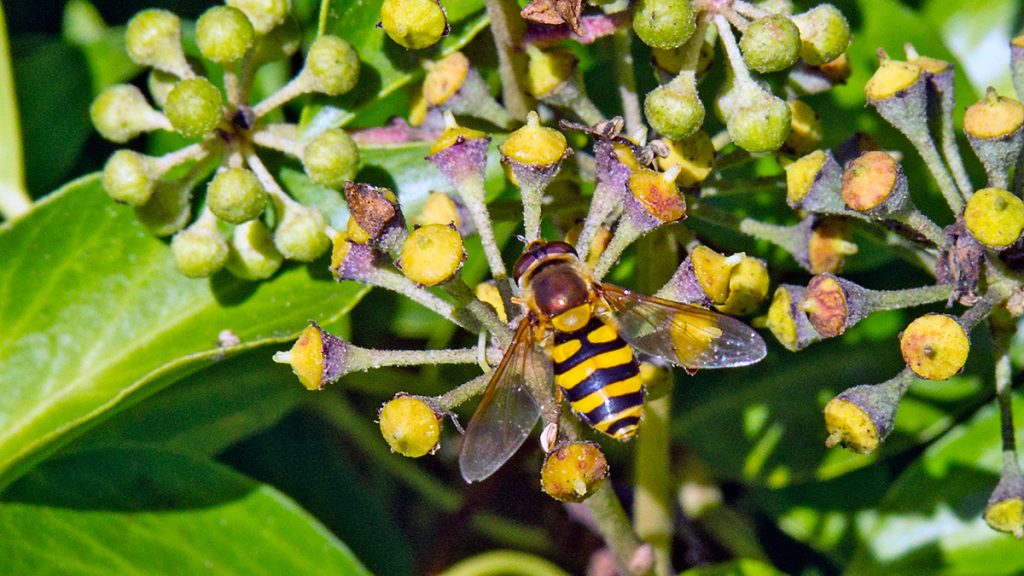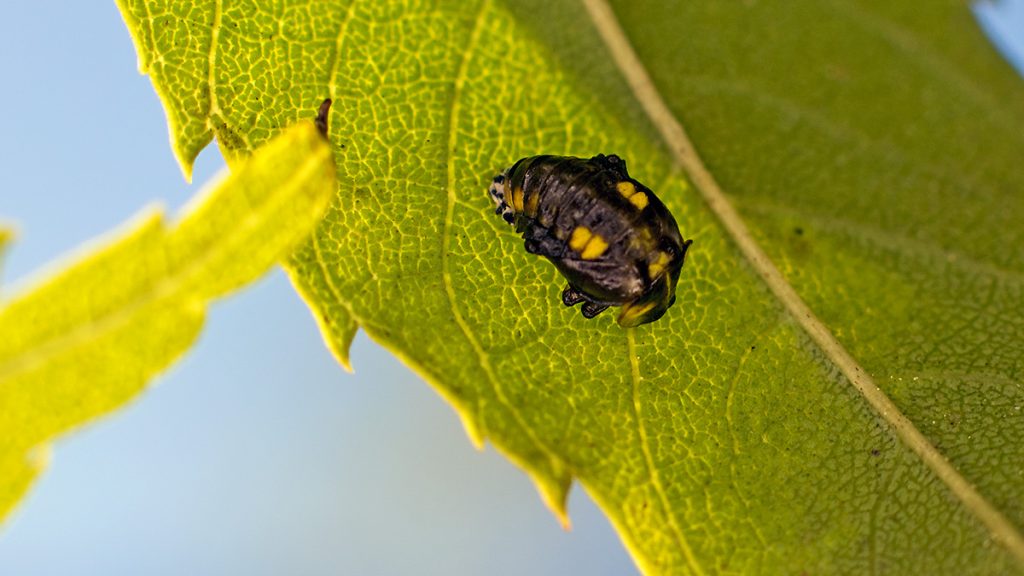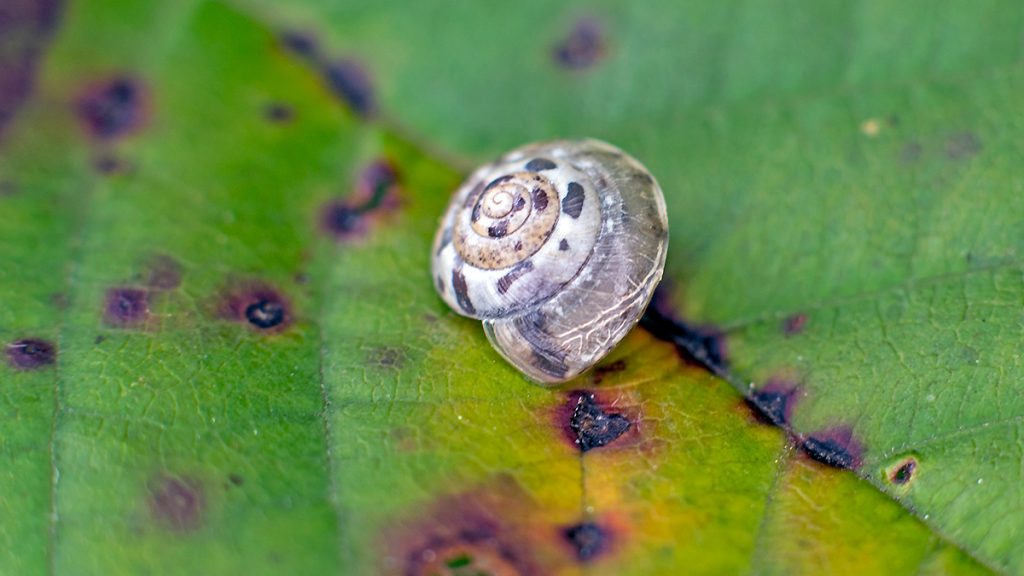
A warm but very overcast day. Not a single butterfly seen in almost 3 hours. In fact not too much flying around at all, so it was a day for scanning leaves for insects at rest.
I found lots of familiar bugs that I have been seeing for the past few weeks, Brassica Shieldbug, Forest Bug, Dock Bug and Fine-streaked Bugkin, but it was some of the lesser-known members of the Hemiptera that provided some photos today.
Sycamore trees hosted three of these. The first was a late-stage nymph of a leafhopper (Eurhadina loewii). The photo appears to show that this nymph is beginning a moult, with the exoskeleton starting to split dorsally above head and thorax. Next was the early instar nymph of another sycamore leafhopper (Edwardsiana nigroloba) sitting between erinea of the Sycamore Felt Gall Mite. Last was a cluster of 1st instar nymphs of the Sycamore Periphyllus Aphid (Periphyllus acericola) also with Sycamore Felt Gall Mite (Aceria pseudoplatani) erinea and a Mirid bug, possibly a Psallus sp.
The final Hemipteran was the nymph of a Willow Spittlebug (Aphrophora salicina) on Goat Willow (Salix caprea), which I inadvertently transferred to the back of my hand from the safe haven of its ‘cuckoo spit’ while photographing something else.
Check any densely vegetated area along the edges of the paths right now and you will find the tiny nymphs of the Speckled Bush-cricket (Leptophytes punctatissima). I photographed one on the petals of a buttercup flower.
An Oak tree gave me a great shot of a Cucumber Green Spider (Araniella cucurbitina). Only on processing did I realise that it has a tiny larva of an Ichneumon parasitoid wasp Polysphincta boops attached to its abdomen. The adult female wasp paralyses the spider host to lay an egg in the spider’s abdomen. When the egg hatches the larva attaches to the outside of the abdomen (so it is classed as an ectoparasitoid), feeding on the spider’s hemolymph (its body fluid) eventually killing it.
One Common Lime (Tilia x europaea) had an infestation of the Lime Gall Mite (Eriophyes exilis), which manifests as hairy galls in the vein axils of the leaves.
![leafhopper [Eurhadina loewii?]](https://downsdiary.uk/wp-content/gallery/may_2026/BD2_4491_7D_TheDowns_04May2026.jpg "leafhopper [Eurhadina loewii?]")
![sycamore leafhopper [Edwardsiana nigroloba?]](https://downsdiary.uk/wp-content/gallery/may_2026/BD2_4555_7D_TheDowns_04May2026.jpg "sycamore leafhopper [Edwardsiana nigroloba?]")
![Sycamore Periphyllus Aphid [Periphyllus acericola]](https://downsdiary.uk/wp-content/gallery/may_2026/BD2_4551_7D_TheDowns_04May2026.jpg "Sycamore Periphyllus Aphid [Periphyllus acericola]")
![Willow Spittlebug [Aphrophora salicina?]](https://downsdiary.uk/wp-content/gallery/may_2026/BD2_4635-7_7D_TheDowns_04May2026.jpg "Willow Spittlebug [Aphrophora salicina?]")
![Speckled Bush-cricket [Leptophytes punctatissima]](https://downsdiary.uk/wp-content/gallery/may_2026/BD2_4569_7D_TheDowns_04May2026.jpg "Speckled Bush-cricket [Leptophytes punctatissima]")
![Cucumber Green Spider [Araniella cucurbitina]](https://downsdiary.uk/wp-content/gallery/may_2026/BD2_4480_7D_TheDowns_04May2026.jpg "Cucumber Green Spider [Araniella cucurbitina]")
![Lime Gall Mite [Eriophyes exilis]](https://downsdiary.uk/wp-content/gallery/may_2026/BD2_4601-3_7D_TheDowns_04May2026.jpg "Lime Gall Mite [Eriophyes exilis]")
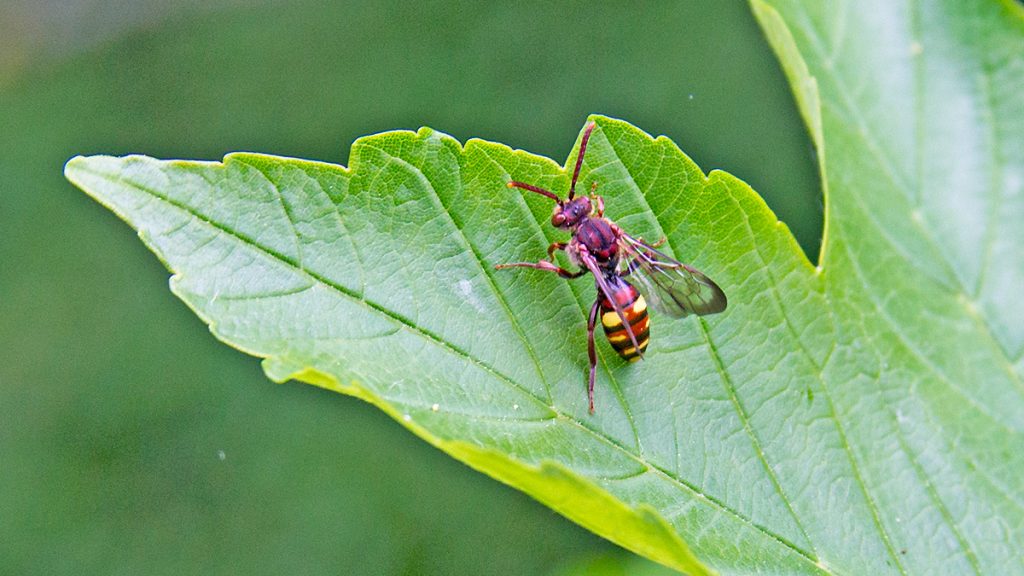
Other species photographed were 2 nomad bees, Gooden’s Nomad Bee (Nomada goodeniana) and Common Bee Wasp (Nomada ruficornis), a moth, Sulphur Bark Moth (Esperia sulphurella) and the caterpillars of 3 more moths, Marbled Orchard Tortrix (Hedya nubiferana), Brindled Pug (Eupithecia abbreviata) and Feathered Thorn (Colotois pennaria).
![Gooden's Nomad Bee [Nomada goodeniana]](https://downsdiary.uk/wp-content/gallery/may_2026/BD2_4529_7D_TheDowns_04May2026.jpg "Gooden's Nomad Bee [Nomada goodeniana]")
![Common Bee Wasp [Nomada ruficornis?]](https://downsdiary.uk/wp-content/gallery/may_2026/NG8_7979_EOS-1D_Downs_04May2026.jpg "Common Bee Wasp [Nomada ruficornis?]")
![Sulphur Bark Moth [Esperia sulphurella]](https://downsdiary.uk/wp-content/gallery/may_2026/BD2_4540_7D_TheDowns_04May2026.jpg "Sulphur Bark Moth [Esperia sulphurella]")
![Marbled Orchard Tortrix [Hedya nubiferana?]](https://downsdiary.uk/wp-content/gallery/may_2026/BD2_4547_7D_TheDowns_04May2026.jpg "Marbled Orchard Tortrix [Hedya nubiferana?]")
![Brindled Pug [Eupithecia abbreviata?]](https://downsdiary.uk/wp-content/gallery/may_2026/BD2_4626_7D_TheDowns_04May2026.jpg "Brindled Pug [Eupithecia abbreviata?]")
![Feathered Thorn [Colotois pennaria?]](https://downsdiary.uk/wp-content/gallery/may_2026/NG8_7998_EOS-1D_Downs_04May2026.jpg "Feathered Thorn [Colotois pennaria?]")
Latest flowers to appear are Common Comfrey (Symphytum officinale) and Common Rock-rose (Helianthemum nummularium).
![Common Comfrey [Symphytum officinale]](https://downsdiary.uk/wp-content/gallery/may_2026/NG8_7978_EOS-1D_Downs_04May2026.jpg "Common Comfrey [Symphytum officinale]")
![Common Rock-rose [Helianthemum nummularium]](https://downsdiary.uk/wp-content/gallery/may_2026/NG8_7986_EOS-1D_Downs_04May2026.jpg "Common Rock-rose [Helianthemum nummularium]")
<<<< Previous page | Next Page >>>>