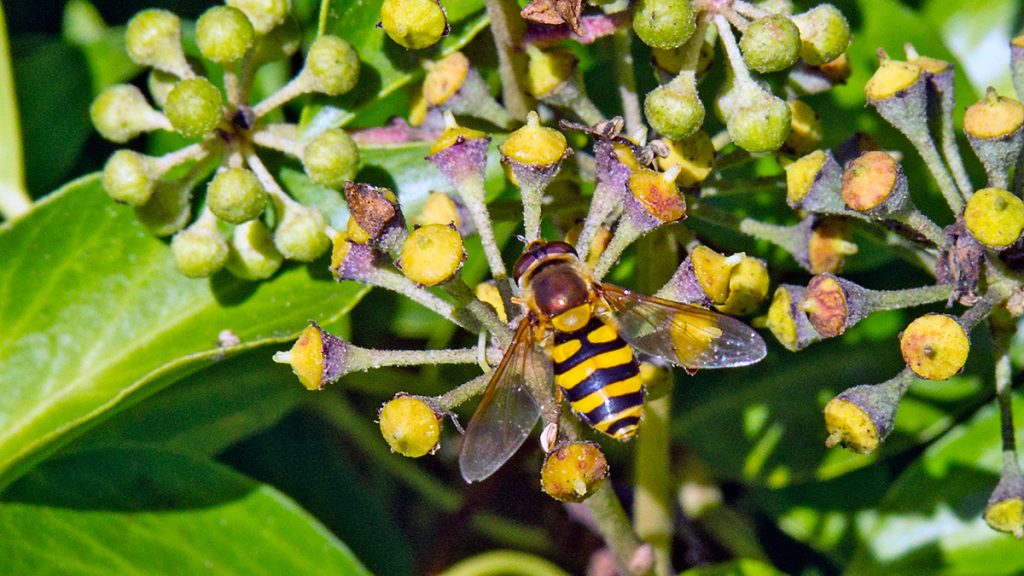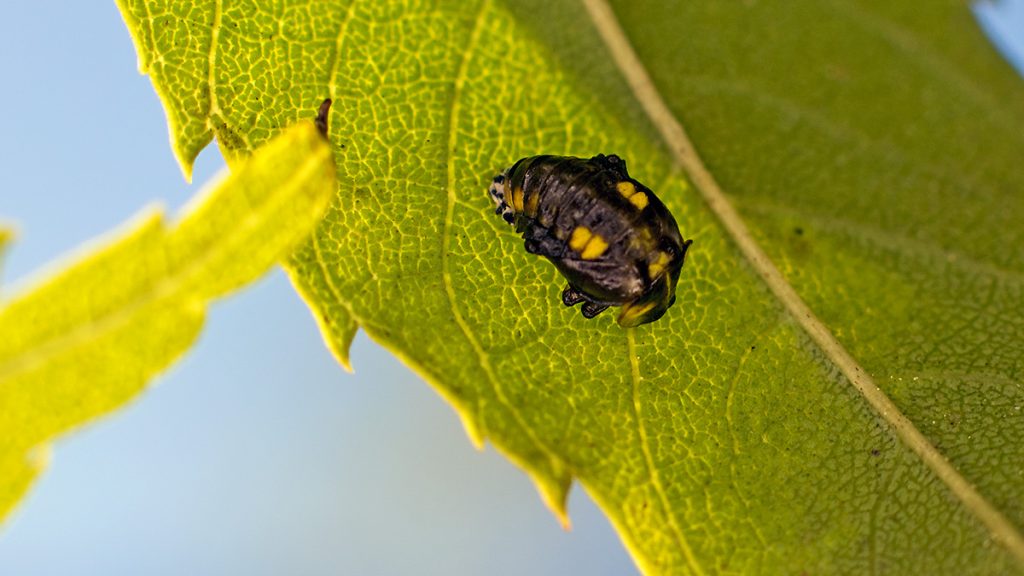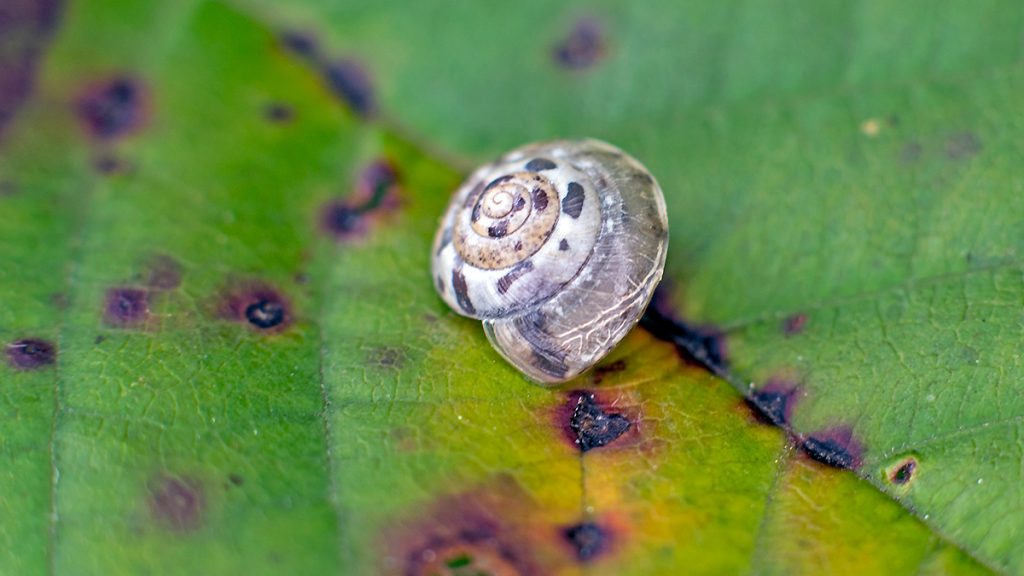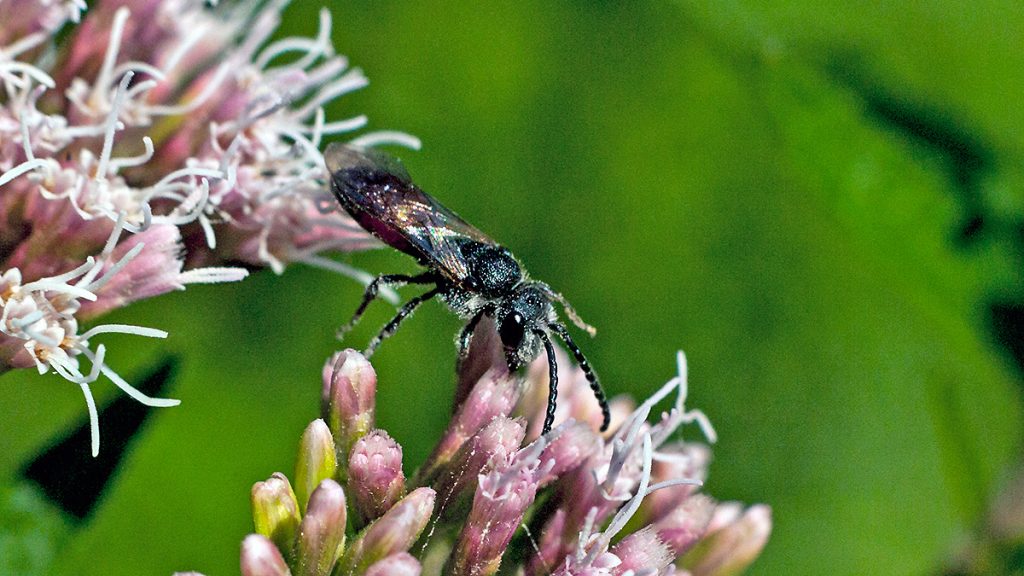
Latest butterfly to appear and in good numbers is the Holly Blue (Celastrina argiolus britanna), with other new insects in Box-headed Blood Bee (Sphecodes monilicornis) and Truffle Blacklet (Cheilosia soror) hoverfly. Also photographed was a 4th instar nymph of the Green Shield Bug (Palomena prasina).
![Holly Blue [Celastrina argiolus britanna]](https://downsdiary.uk/wp-content/gallery/july_2025/NG8_2219_EOS-1D_TheDowns_12Jul2025.jpg "Holly Blue [Celastrina argiolus britanna]")
![Box-headed Blood Bee [Sphecodes monilicornis]](https://downsdiary.uk/wp-content/gallery/july_2025/JO8V0499_EOS-1D_TheDowns_12Jul2025.jpg "Box-headed Blood Bee [Sphecodes monilicornis]")
![Truffle Blacklet [Cheilosia soror]](https://downsdiary.uk/wp-content/gallery/july_2025/JO8V0489_EOS-1D_TheDowns_12Jul2025.jpg "Truffle Blacklet [Cheilosia soror]")
![Green Shieldbug [Palomena prasina]](https://downsdiary.uk/wp-content/gallery/july_2025/NG8_2239_EOS-1D_TheDowns_12Jul2025.jpg "Green Shieldbug [Palomena prasina]")
A new wildflower, not just for this year, not just a first for the Downs, but the first time I have ever seen this anywhere is Ploughman’s Spikenard (Pentanema squarrosum), which belongs to a genus in the Asteraceae (daisies) family.
Some of the Broad-leaved Everlasting Pea (Lathyrus latifolius) is now showing their ‘pea pods’.
![Ploughman's Spikenard [Pentanema squarrosum]](https://downsdiary.uk/wp-content/gallery/july_2025/NG8_2228_EOS-1D_TheDowns_12Jul2025.jpg "Ploughman's Spikenard [Pentanema squarrosum]")
![Broad-leaved Everlasting Pea [Lathyrus latifolius]](https://downsdiary.uk/wp-content/gallery/july_2025/NG8_2211_EOS-1D_TheDowns_12Jul2025.jpg "Broad-leaved Everlasting Pea [Lathyrus latifolius]")
Nature note for the day
Ploughman’s Spikenard. An odd name. So, what is Spikenard?
Well, it is mentioned in the Bible as ‘nard’ and refers to an expensive aromatic oil obtained from the rhizome of a Himalayan plant of the honeysuckle family or similar concoctions in use by the Romans derived from plants of the valerian family. The Romans used it for flavouring wine and medicinally as a remedy for many ailments.
Of course, all of this has nothing to do with Ploughman’s Spikenard other than the adoption of ‘Spikenard’ to recognise that the plant has indeed many uses as a culinary and medicinal herb and/or possibly a scent reminiscent of the true nard. The ‘Ploughman’ part of the name probably refers to the use of this herb as an insecticide and parasiticide, especially against fleas and ticks, by ploughmen, shepherds and other field workers of the Middle Ages across Europe.
Go to these links for further general information on Ploughman’s Spikenard, a more comprehensive list of culinary and medicinal uses, or more botanical details.
<<<< Previous page | Next Page >>>>